

Give the Gift of Choice!
Too many options? Treat your friends and family to their favourite stores with a Bayshore Shopping Centre gift card, redeemable at participating retailers throughout the centre. Click below to purchase yours today!Purchase HereHome
Admit One: An American Scrapbook
Coles
Loading Inventory...
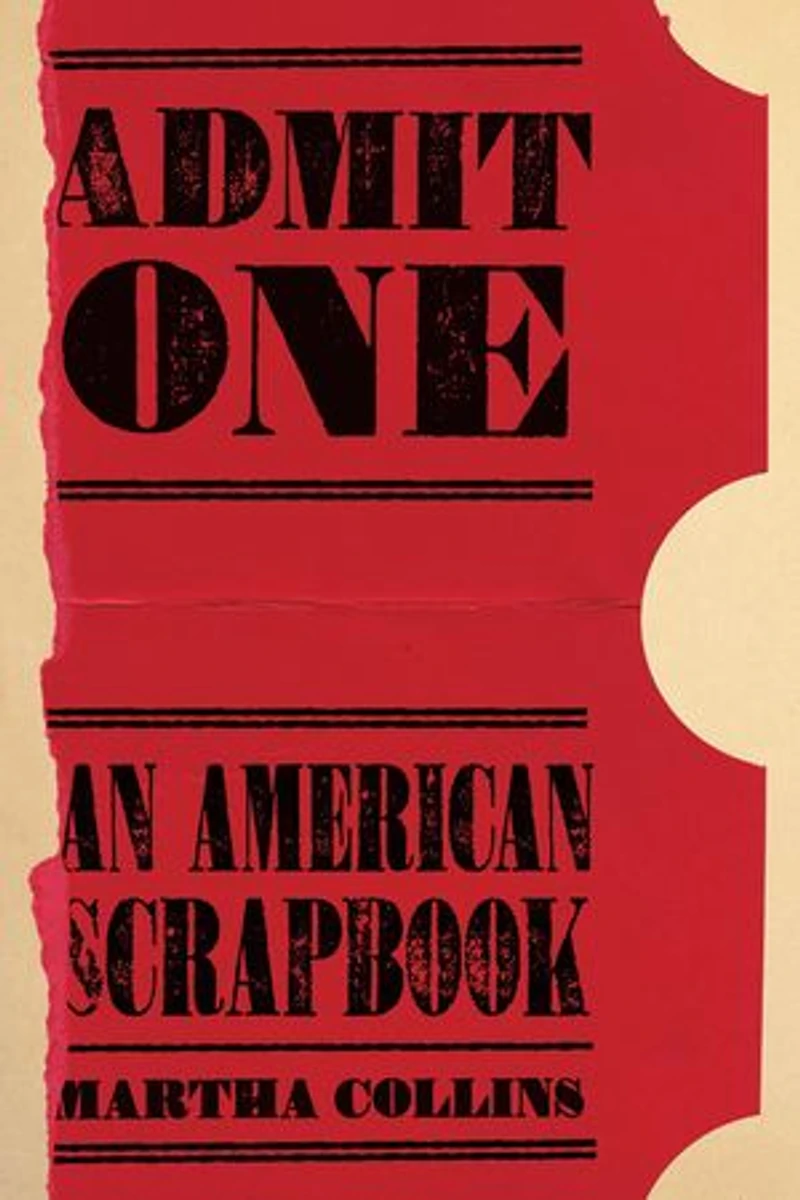
Admit One: An American Scrapbook in Ottawa, ON
Current price: $23.19
Original price: $28.99

Admit One: An American Scrapbook in Ottawa, ON
Current price: $23.19
Original price: $28.99
Loading Inventory...
Size: Kobo eBook
*Product information may vary - to confirm product availability, pricing, shipping and return information please contact Coles
In *Admit One: An American Scrapbook,*Martha Collins relentlessly traces the history of scientific racism from the 1904 St. Louis World's Fairthrough the eugenics movement of the 1920s. Using a wide variety of documentary sources, including her Illinois grandfather's newspaper, Collins constructs a "scrapbook" of fragments, quotations, narrative passages, and lyrical riffs that reveal startling connections between the Fair, the Bronx Zoo, and ideas that culminated in anti-immigration, anti-miscegenation, and eugenic sterilization laws in 1924. Among the book's recurring elements are evolving portraits of the "exhibited" African Ota Benga, the sterilization victim Carrie Buck, and the eugenicist Madison Grant, whose reach extended to Nazi Germany. Following the practice begun in her book-length poem Blue Front and continued in her exploration of race in White Papers, Collins combines careful research with innovative poetic techniques to create an arresting account of a segment of American history that haunts us even today. Admit One is a brilliant, troubling, necessary read.
In *Admit One: An American Scrapbook,*Martha Collins relentlessly traces the history of scientific racism from the 1904 St. Louis World's Fairthrough the eugenics movement of the 1920s. Using a wide variety of documentary sources, including her Illinois grandfather's newspaper, Collins constructs a "scrapbook" of fragments, quotations, narrative passages, and lyrical riffs that reveal startling connections between the Fair, the Bronx Zoo, and ideas that culminated in anti-immigration, anti-miscegenation, and eugenic sterilization laws in 1924. Among the book's recurring elements are evolving portraits of the "exhibited" African Ota Benga, the sterilization victim Carrie Buck, and the eugenicist Madison Grant, whose reach extended to Nazi Germany. Following the practice begun in her book-length poem Blue Front and continued in her exploration of race in White Papers, Collins combines careful research with innovative poetic techniques to create an arresting account of a segment of American history that haunts us even today. Admit One is a brilliant, troubling, necessary read.
You May Also Like








More About Coles at Bayshore Shopping Centre
Coles is renowned for its outstanding customer service and great selection of books. Along with the vast array of magazines, stationary, audio-books, children's literature, fiction, non-fiction and reference books, you can find accessories to make your reading experience more pleasurable. We can recommend the very best in reading today. We will help you search our titles for exactly what you need, and if we do not have it in stock, we will order it for you.
100 Bayshore Dr, Nepean, ON K2B 8C1, Canada
Find Coles at Bayshore Shopping Centre in Ottawa, ON
Visit Coles at Bayshore Shopping Centre in Ottawa, ON