

Give the Gift of Choice!
Too many options? Treat your friends and family to their favourite stores with a Bayshore Shopping Centre gift card, redeemable at participating retailers throughout the centre. Click below to purchase yours today!Purchase HereHome
Adulteration in Herbal Drugs: A Burning Issue
Coles
Loading Inventory...
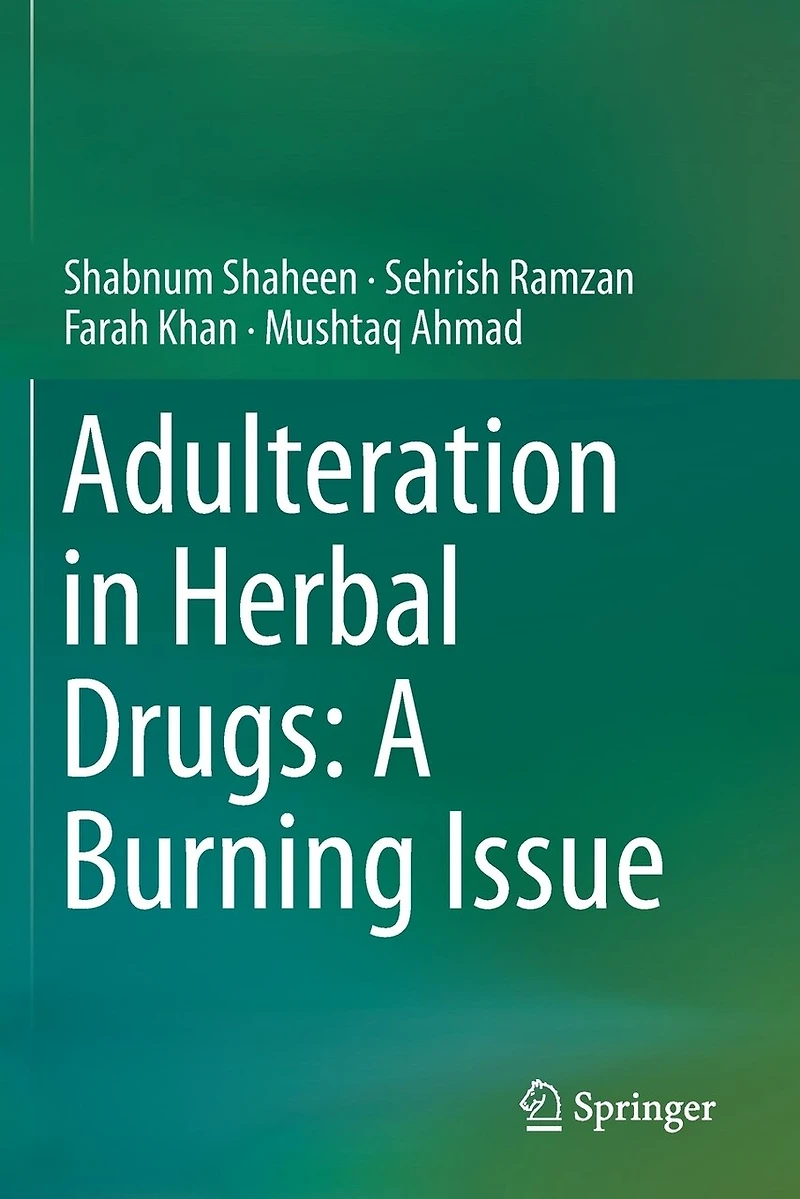
Adulteration in Herbal Drugs: A Burning Issue in Ottawa, ON
Current price: $175.50

Adulteration in Herbal Drugs: A Burning Issue in Ottawa, ON
Current price: $175.50
Loading Inventory...
Size: Paperback
*Product information may vary - to confirm product availability, pricing, shipping and return information please contact Coles
Substitution and adulteration in traded herbal raw material are common practice in the herbal industry due to the extinction of required species, deforestation and incorrect taxonomical identification. Herbalists have adopted methods to create high quality adulteration which cannot be detected without performing microscopic examination or chemical analysis. It is difficult to establish specific quality control standards due to the complex nature and innate unpredictability of the chemical constituents of medicinal herbs.The main parameters for measurement and adulteration prevention in medicinal herbs are morphological and microscopic investigation, chemical profiling and DNA barcoding. The need for highly sensitive and more effective approaches for the authentication of medicinal herbs is necessary in order to promote the acceptance of herbal products.
Adulteration In Traditional Medicinal Herbs is aimed at promoting awareness of adulteration in traditional herbal medicines for the worldwide scientific community. Parameters are established for the prevention of adulteration through classical and modern scientific tools. Valuable case studies are presented based on ethno-medicinal surveys performed in many herbal markets in Pakistan. Collections of various samples were obtained from these shops then compared with the original plants collected from field. Various phytochemical, organoleptic and DNA barcoding techniques were used in order to detect adulteration in the marketed herbal samples. This book is the first of its kind and is aimed at helping the scientific community to identify particular medicinal plants which are facing adulteration problems in herbal markets and to estimate the extent of adulteration and substitution in commonly used medicinal herbs.
Substitution and adulteration in traded herbal raw material are common practice in the herbal industry due to the extinction of required species, deforestation and incorrect taxonomical identification. Herbalists have adopted methods to create high quality adulteration which cannot be detected without performing microscopic examination or chemical analysis. It is difficult to establish specific quality control standards due to the complex nature and innate unpredictability of the chemical constituents of medicinal herbs.The main parameters for measurement and adulteration prevention in medicinal herbs are morphological and microscopic investigation, chemical profiling and DNA barcoding. The need for highly sensitive and more effective approaches for the authentication of medicinal herbs is necessary in order to promote the acceptance of herbal products.
Adulteration In Traditional Medicinal Herbs is aimed at promoting awareness of adulteration in traditional herbal medicines for the worldwide scientific community. Parameters are established for the prevention of adulteration through classical and modern scientific tools. Valuable case studies are presented based on ethno-medicinal surveys performed in many herbal markets in Pakistan. Collections of various samples were obtained from these shops then compared with the original plants collected from field. Various phytochemical, organoleptic and DNA barcoding techniques were used in order to detect adulteration in the marketed herbal samples. This book is the first of its kind and is aimed at helping the scientific community to identify particular medicinal plants which are facing adulteration problems in herbal markets and to estimate the extent of adulteration and substitution in commonly used medicinal herbs.
You May Also Like












More About Coles at Bayshore Shopping Centre
Coles is renowned for its outstanding customer service and great selection of books. Along with the vast array of magazines, stationary, audio-books, children's literature, fiction, non-fiction and reference books, you can find accessories to make your reading experience more pleasurable. We can recommend the very best in reading today. We will help you search our titles for exactly what you need, and if we do not have it in stock, we will order it for you.
100 Bayshore Dr, Nepean, ON K2B 8C1, Canada
Find Coles at Bayshore Shopping Centre in Ottawa, ON
Visit Coles at Bayshore Shopping Centre in Ottawa, ON