

Give the Gift of Choice!
Too many options? Treat your friends and family to their favourite stores with a Bayshore Shopping Centre gift card, redeemable at participating retailers throughout the centre. Click below to purchase yours today!Purchase HereHome
Aelius Aristides and the Poetics of Lyric in Imperial Greek Culture
Coles
Loading Inventory...
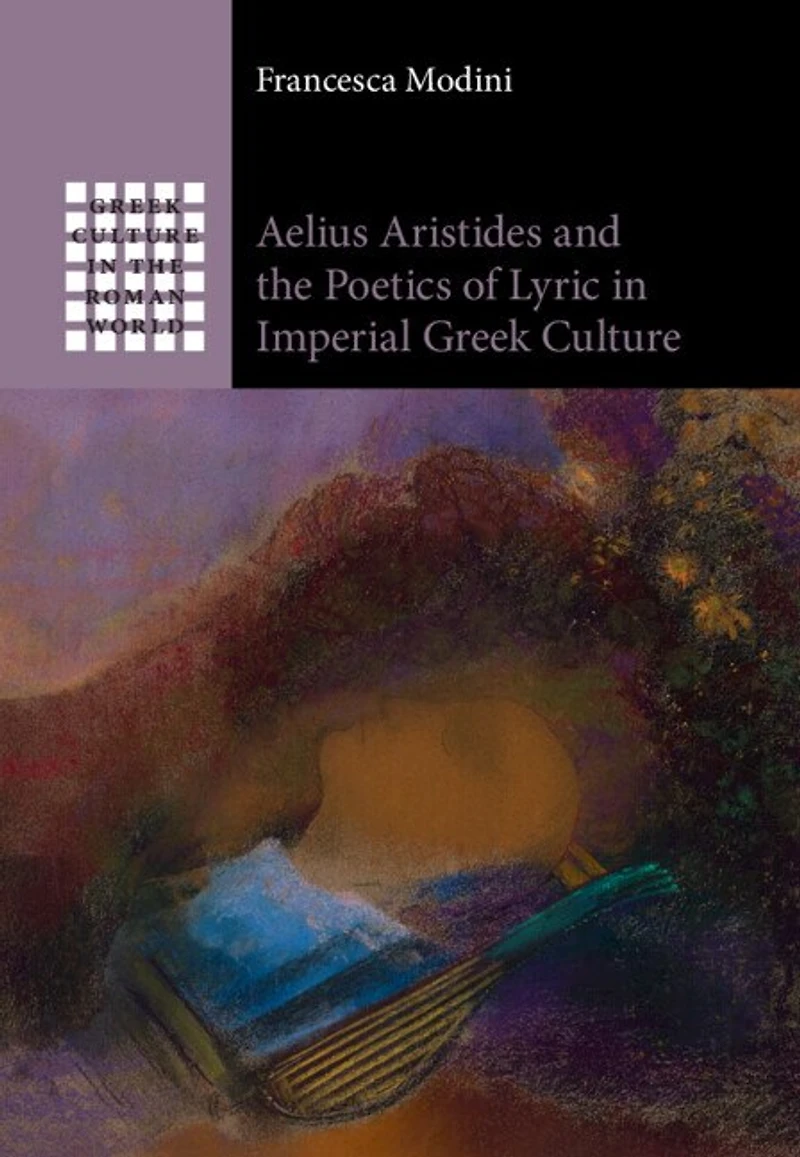
Aelius Aristides and the Poetics of Lyric in Imperial Greek Culture in Ottawa, ON
Current price: $137.95

Aelius Aristides and the Poetics of Lyric in Imperial Greek Culture in Ottawa, ON
Current price: $137.95
Loading Inventory...
Size: Hardcover
*Product information may vary - to confirm product availability, pricing, shipping and return information please contact Coles
This book is the first study of the persistence and significance of ancient lyric in imperial Greek culture. Redefining lyric reception as a phenomenon ranging from textual engagement with ancient poems to the appropriation of song traditions, Francesca Modini reconsiders the view of imperial culture (paideia) as dominated by Homer and fifth-century Attic literature. She argues that textual knowledge of lyric allowed imperial writers to show a more sophisticated level of paideia, and her analysis further reveals how lyric traditions mobilised distinctive discourses of self-fashioning, local identity, community-making and power crucial for Greeks under Rome. This is most evident in the works of Aelius Aristides, who reconfigured ancient lyric to shape his rhetorical persona and enhance his speeches to imperial communities. Exploring Aristides' lyric poetics also changes how we interpret his reconstruction of the classical tradition and his involvement in the complex politics of the Empire.
This book is the first study of the persistence and significance of ancient lyric in imperial Greek culture. Redefining lyric reception as a phenomenon ranging from textual engagement with ancient poems to the appropriation of song traditions, Francesca Modini reconsiders the view of imperial culture (paideia) as dominated by Homer and fifth-century Attic literature. She argues that textual knowledge of lyric allowed imperial writers to show a more sophisticated level of paideia, and her analysis further reveals how lyric traditions mobilised distinctive discourses of self-fashioning, local identity, community-making and power crucial for Greeks under Rome. This is most evident in the works of Aelius Aristides, who reconfigured ancient lyric to shape his rhetorical persona and enhance his speeches to imperial communities. Exploring Aristides' lyric poetics also changes how we interpret his reconstruction of the classical tradition and his involvement in the complex politics of the Empire.
You May Also Like







More About Coles at Bayshore Shopping Centre
Coles is renowned for its outstanding customer service and great selection of books. Along with the vast array of magazines, stationary, audio-books, children's literature, fiction, non-fiction and reference books, you can find accessories to make your reading experience more pleasurable. We can recommend the very best in reading today. We will help you search our titles for exactly what you need, and if we do not have it in stock, we will order it for you.
100 Bayshore Dr, Nepean, ON K2B 8C1, Canada
Find Coles at Bayshore Shopping Centre in Ottawa, ON
Visit Coles at Bayshore Shopping Centre in Ottawa, ON