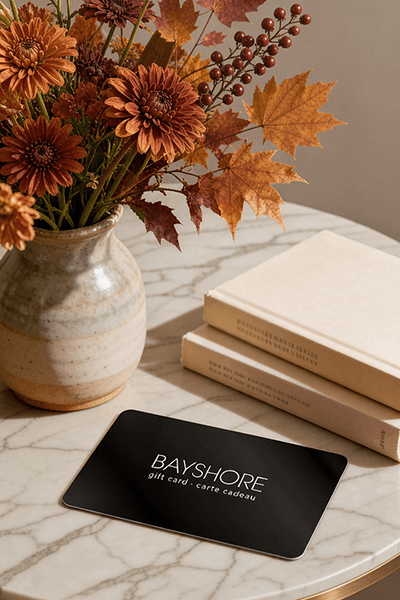
Too many options? Treat your friends and family to their favourite stores with a Bayshore Shopping Centre gift card, redeemable at participating retailers throughout the centre. Click below to purchase yours today!Purchase Here
*Product information may vary - to confirm product availability, pricing, shipping and return information please contact Coles
Malaysia and South Africa implement the most extensive affirmative action programmes worldwide. This book explores why and how to effect preferential treatment which has been utilized in the pursuit of inter-ethnic parity, specifically in higher education, high-level occupations, enterprise development and wealth ownership. Through methodical and critical analyses of data on education, workforce and population, the book evaluates the primary objectives of increasing majority representation in education, employment, enterprise and ownership. The book also critically considers questions of the attainments and limitations of ethnic preferential treatment in reducing disparity, the challenges of developing capability and reducing dependency and the scope for policy reforms.
Malaysia and South Africa implement the most extensive affirmative action programmes worldwide. This book explores why and how to effect preferential treatment which has been utilized in the pursuit of inter-ethnic parity, specifically in higher education, high-level occupations, enterprise development and wealth ownership. Through methodical and critical analyses of data on education, workforce and population, the book evaluates the primary objectives of increasing majority representation in education, employment, enterprise and ownership. The book also critically considers questions of the attainments and limitations of ethnic preferential treatment in reducing disparity, the challenges of developing capability and reducing dependency and the scope for policy reforms.
Coles is renowned for its outstanding customer service and great selection of books. Along with the vast array of magazines, stationary, audio-books, children's literature, fiction, non-fiction and reference books, you can find accessories to make your reading experience more pleasurable. We can recommend the very best in reading today. We will help you search our titles for exactly what you need, and if we do not have it in stock, we will order it for you.