

Give the Gift of Choice!
Too many options? Treat your friends and family to their favourite stores with a Bayshore Shopping Centre gift card, redeemable at participating retailers throughout the centre. Click below to purchase yours today!Purchase HereHome
African Feminism: The Politics Of Survival In Sub-saharan Africa
Coles
Loading Inventory...
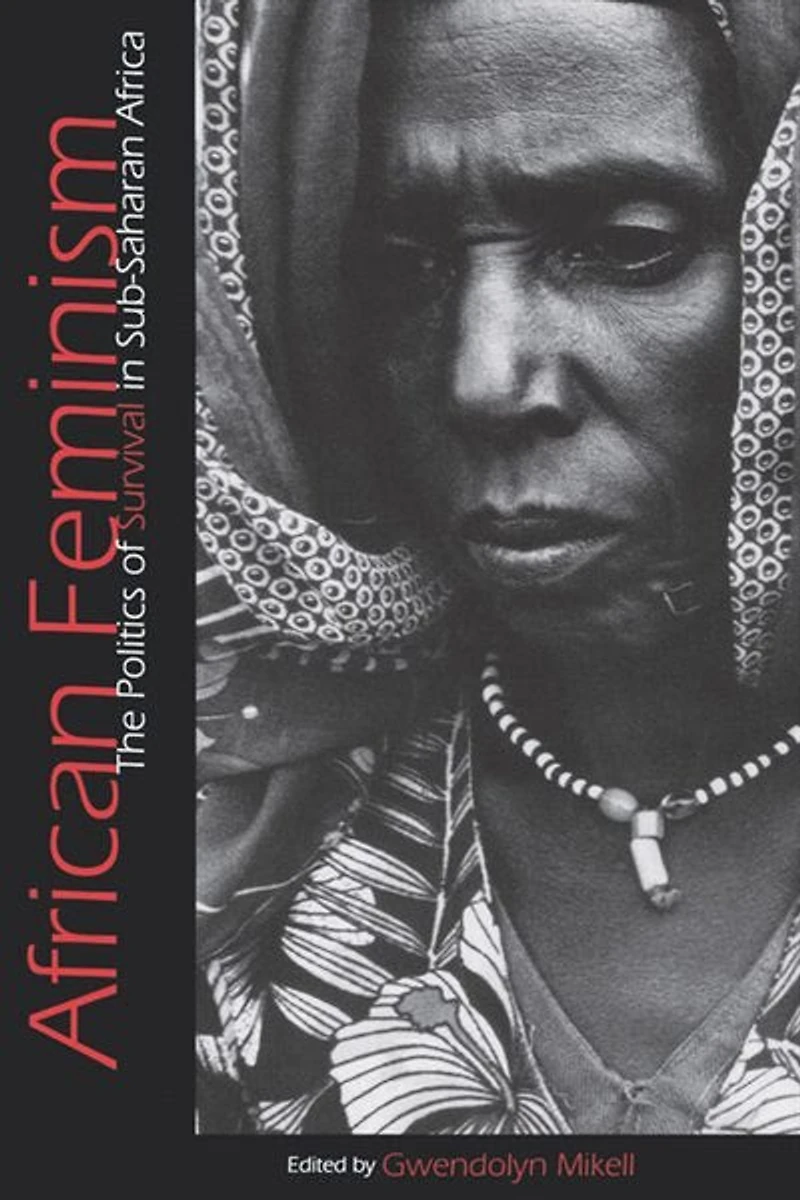
African Feminism: The Politics Of Survival In Sub-saharan Africa in Ottawa, ON
By None
Current price: $45.99

By None
African Feminism: The Politics Of Survival In Sub-saharan Africa in Ottawa, ON
Current price: $45.99
Loading Inventory...
Size: Paperback
*Product information may vary - to confirm product availability, pricing, shipping and return information please contact Coles
African feminism, this landmark volume demonstrates, differs radically from the Western forms of feminism with which we have become familiar since the 1960s. African feminists are not, by and large, concerned with issues such as female control over reproduction or variation and choice within human sexuality, nor with debates about essentialism, the female body, or the discourse of patriarchy. The feminism that is slowly emerging in Africa is distinctly heterosexual, pronatal, and concerned with "bread, butter, and power" issues.
Contributors present case studies of ten African states, demonstrating that—as they fight for access to land, for the right to own property, for control of food distribution, for living wages and safe working conditions, for health care, and for election reform—African women are creating a powerful and specifically African feminism.
African feminism, this landmark volume demonstrates, differs radically from the Western forms of feminism with which we have become familiar since the 1960s. African feminists are not, by and large, concerned with issues such as female control over reproduction or variation and choice within human sexuality, nor with debates about essentialism, the female body, or the discourse of patriarchy. The feminism that is slowly emerging in Africa is distinctly heterosexual, pronatal, and concerned with "bread, butter, and power" issues.
Contributors present case studies of ten African states, demonstrating that—as they fight for access to land, for the right to own property, for control of food distribution, for living wages and safe working conditions, for health care, and for election reform—African women are creating a powerful and specifically African feminism.
You May Also Like










More About Coles at Bayshore Shopping Centre
Coles is renowned for its outstanding customer service and great selection of books. Along with the vast array of magazines, stationary, audio-books, children's literature, fiction, non-fiction and reference books, you can find accessories to make your reading experience more pleasurable. We can recommend the very best in reading today. We will help you search our titles for exactly what you need, and if we do not have it in stock, we will order it for you.
100 Bayshore Dr, Nepean, ON K2B 8C1, Canada
Find Coles at Bayshore Shopping Centre in Ottawa, ON
Visit Coles at Bayshore Shopping Centre in Ottawa, ON