

Give the Gift of Choice!
Too many options? Treat your friends and family to their favourite stores with a Bayshore Shopping Centre gift card, redeemable at participating retailers throughout the centre. Click below to purchase yours today!Purchase HereHome
Africans East Anglia, 1467-1833
Coles
Loading Inventory...
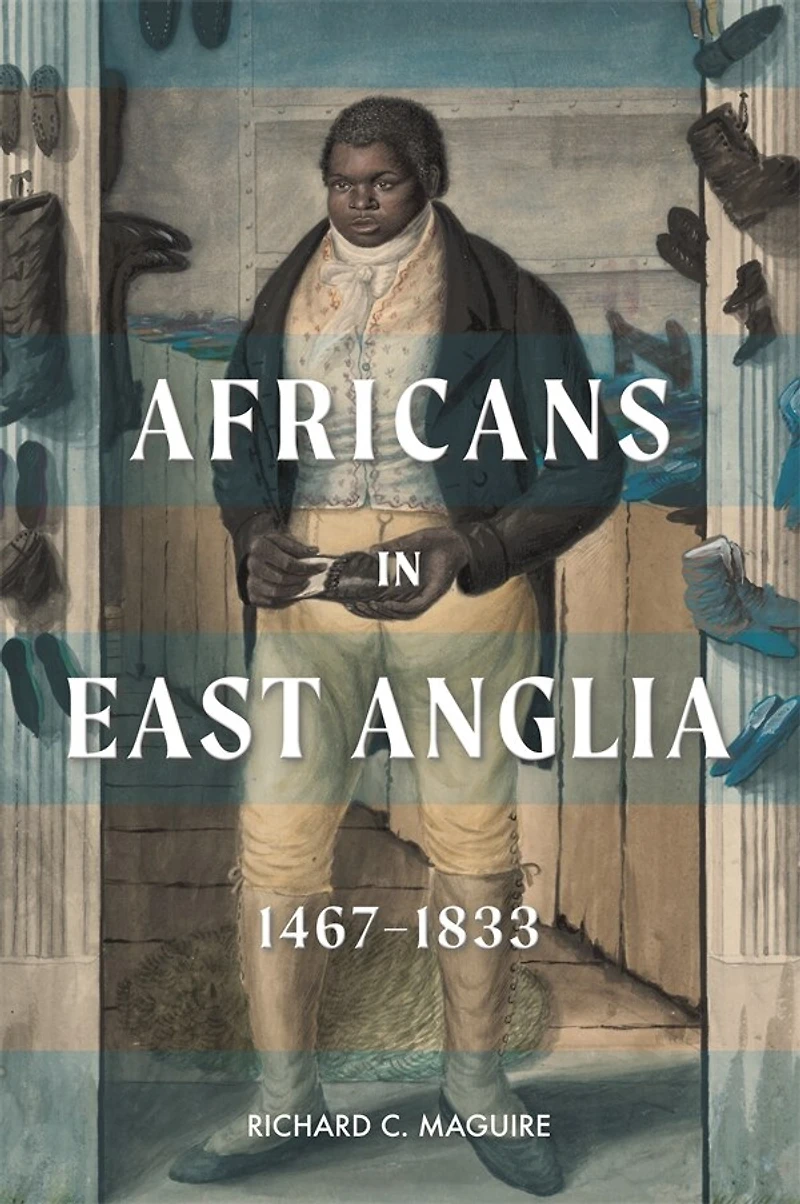
Africans East Anglia, 1467-1833 in Ottawa, ON
Current price: $170.30

Africans East Anglia, 1467-1833 in Ottawa, ON
Current price: $170.30
Loading Inventory...
Size: Hardcover
*Product information may vary - to confirm product availability, pricing, shipping and return information please contact Coles
What were the lives of Africans in provincial England like during the early modern period? How, where, and when did they arrive in rural counties? How were they perceived by their contemporaries?
This book examines the population of Africans in Norfolk and Suffolk from 1467, the date of the first documented reference to an African in the region, to 1833, when Parliament voted to abolish slavery in the British Empire. It uncovers the complexity of these Africans' historical experience, considering the interaction of local custom, class structure, tradition, memory, and the gradual impact of the Atlantic slaving economy.
Richard C. Maguire proposes that the initial regional response to arriving Africans during the fifteenth and sixteenth centuries was not defined exclusively by ideas relating to skin colour, but rather by local understandings of religious status, class position, ideas about freedom and bondage, and immediate local circumstances. Arriving Africans were able to join the region's working population through baptism, marriage, parenthood, and work.
This manner of response to Africans was challenged as local merchants and gentry begin doing business with the slaving economy from the mid-seventeenth century onwards. Although the racialised ideas underpinning Atlantic slavery changed the social circumstances of Africans in the region, the book suggests that they did not completely displace older, more inclusive, ideas in working communities.
What were the lives of Africans in provincial England like during the early modern period? How, where, and when did they arrive in rural counties? How were they perceived by their contemporaries?
This book examines the population of Africans in Norfolk and Suffolk from 1467, the date of the first documented reference to an African in the region, to 1833, when Parliament voted to abolish slavery in the British Empire. It uncovers the complexity of these Africans' historical experience, considering the interaction of local custom, class structure, tradition, memory, and the gradual impact of the Atlantic slaving economy.
Richard C. Maguire proposes that the initial regional response to arriving Africans during the fifteenth and sixteenth centuries was not defined exclusively by ideas relating to skin colour, but rather by local understandings of religious status, class position, ideas about freedom and bondage, and immediate local circumstances. Arriving Africans were able to join the region's working population through baptism, marriage, parenthood, and work.
This manner of response to Africans was challenged as local merchants and gentry begin doing business with the slaving economy from the mid-seventeenth century onwards. Although the racialised ideas underpinning Atlantic slavery changed the social circumstances of Africans in the region, the book suggests that they did not completely displace older, more inclusive, ideas in working communities.
You May Also Like












More About Coles at Bayshore Shopping Centre
Coles is renowned for its outstanding customer service and great selection of books. Along with the vast array of magazines, stationary, audio-books, children's literature, fiction, non-fiction and reference books, you can find accessories to make your reading experience more pleasurable. We can recommend the very best in reading today. We will help you search our titles for exactly what you need, and if we do not have it in stock, we will order it for you.
100 Bayshore Dr, Nepean, ON K2B 8C1, Canada
Find Coles at Bayshore Shopping Centre in Ottawa, ON
Visit Coles at Bayshore Shopping Centre in Ottawa, ON