

Give the Gift of Choice!
Too many options? Treat your friends and family to their favourite stores with a Bayshore Shopping Centre gift card, redeemable at participating retailers throughout the centre. Click below to purchase yours today!Purchase HereHome
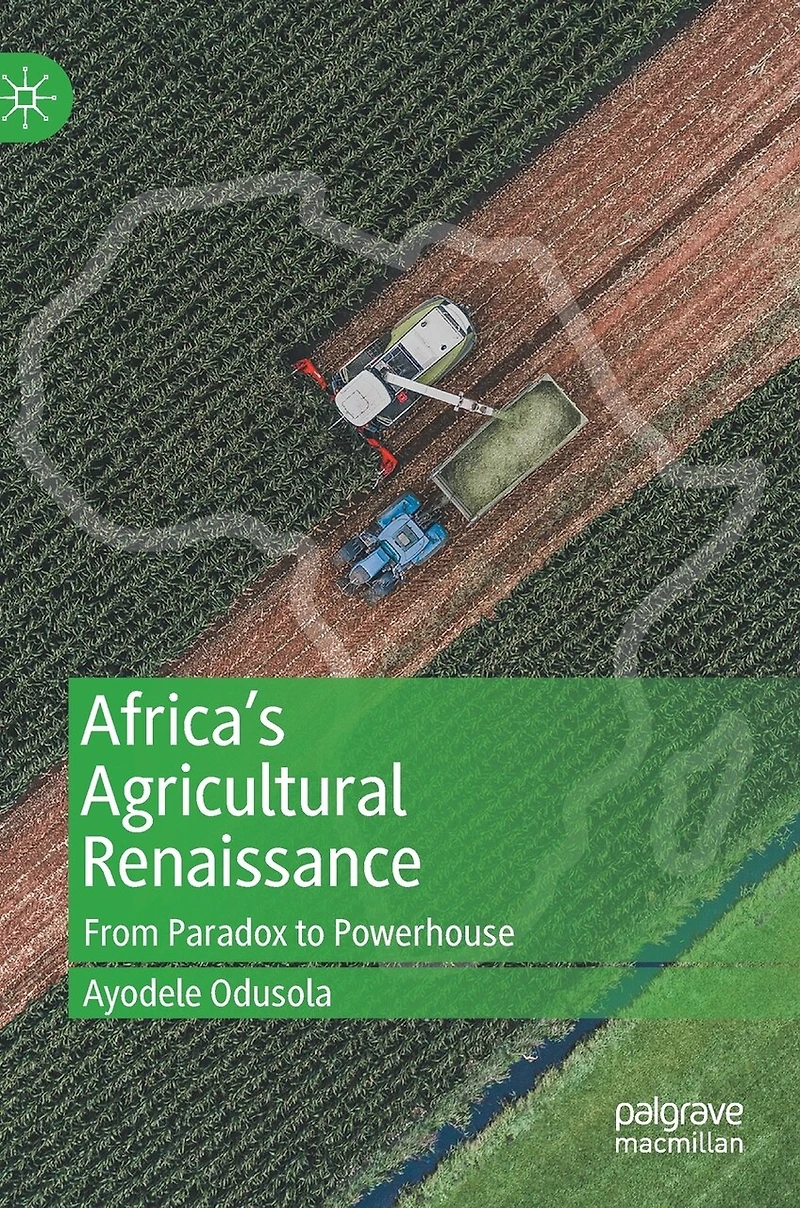
Africa's Agricultural Renaissance: From Paradox To Powerhouse
Coles
Loading Inventory...
Africa's Agricultural Renaissance: From Paradox To Powerhouse in Ottawa, ON
Current price: $175.50

Africa's Agricultural Renaissance: From Paradox To Powerhouse in Ottawa, ON
Current price: $175.50
Loading Inventory...
Size: Hardcover
*Product information may vary - to confirm product availability, pricing, shipping and return information please contact Coles
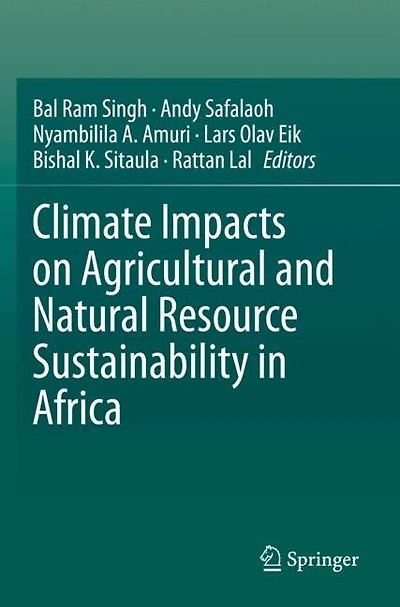
This book addresses the paradox between preponderance of hunger in a continent that is well endowed with fertile agricultural land, plenty of fresh water and a vibrant labor force. As some statistics show, close to 60% of arable land in the world is located in Africa which also has several rivers flowing in all seasons and plenty of underground water. The bulk of its labor force thrives on agriculture, yet the continent's largest import item is food. 23 of 36 the most malnourished countries also belong in Africa. This has caused significant needless human suffering.
This book goes beyond providing the traditional framework of supplying policy recommendations to delivering an applied, innovative framework upon which policymakers, the private sector and international institutions can take clear and deliberate action to stimulate Africa's agricultural sector, thus responding to the 2030 Agenda for Sustainable Development.
This book addresses the paradox between preponderance of hunger in a continent that is well endowed with fertile agricultural land, plenty of fresh water and a vibrant labor force. As some statistics show, close to 60% of arable land in the world is located in Africa which also has several rivers flowing in all seasons and plenty of underground water. The bulk of its labor force thrives on agriculture, yet the continent's largest import item is food. 23 of 36 the most malnourished countries also belong in Africa. This has caused significant needless human suffering.
This book goes beyond providing the traditional framework of supplying policy recommendations to delivering an applied, innovative framework upon which policymakers, the private sector and international institutions can take clear and deliberate action to stimulate Africa's agricultural sector, thus responding to the 2030 Agenda for Sustainable Development.
You May Also Like









More About Coles at Bayshore Shopping Centre
Coles is renowned for its outstanding customer service and great selection of books. Along with the vast array of magazines, stationary, audio-books, children's literature, fiction, non-fiction and reference books, you can find accessories to make your reading experience more pleasurable. We can recommend the very best in reading today. We will help you search our titles for exactly what you need, and if we do not have it in stock, we will order it for you.
100 Bayshore Dr, Nepean, ON K2B 8C1, Canada
Find Coles at Bayshore Shopping Centre in Ottawa, ON
Visit Coles at Bayshore Shopping Centre in Ottawa, ON