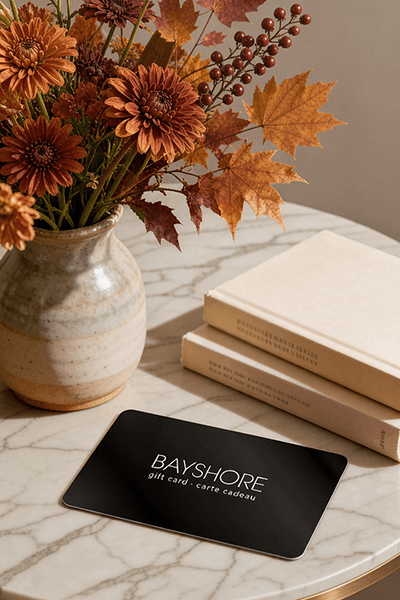
Too many options? Treat your friends and family to their favourite stores with a Bayshore Shopping Centre gift card, redeemable at participating retailers throughout the centre. Click below to purchase yours today!Purchase Here
*Product information may vary - to confirm product availability, pricing, shipping and return information please contact Coles
In October 2001, the Bush administration sent Amb. James F. Dobbins, who had overseen nation-building efforts in Somalia, Haiti, Bosnia, and Kosovo, to war-torn Afghanistan to help the Afghans assemble a successor government to the Taliban. From warlords to exiled royalty, from turbaned tribal chieftains to elegant émigré intellectuals, Ambassador Dobbins introduces a range of colorful Afghan figures competing for dominance in the new Afghanistan. His firsthand account of the post–9/11 American diplomacy also reveals how collaboration within Bush’s war cabinet began to break down almost as soon as major combat in Afghanistan ceased. His insider’s memoir recounts how the administration reluctantly adjusted to its new role as nation-builder, refused to allow American soldiers to conduct peacekeeping operations, opposed dispatching international troops, and shortchanged Afghan reconstruction as its attention shifted to Iraq. In After the Taliban , Dobbins probes the relationship between the Afghan and Iraqi ventures. He demonstrates how each damaged the other, with deceptively easy success in Afghanistan breeding overconfidence and then the latter draining essential resources away from the initial effort. Written by America’s most experienced diplomatic troubleshooter, this important new book is for readers looking for insights into how government really works, how diplomacy is actually conducted, and most important why the United States has failed to stabilize either Afghanistan or Iraq.
In October 2001, the Bush administration sent Amb. James F. Dobbins, who had overseen nation-building efforts in Somalia, Haiti, Bosnia, and Kosovo, to war-torn Afghanistan to help the Afghans assemble a successor government to the Taliban. From warlords to exiled royalty, from turbaned tribal chieftains to elegant émigré intellectuals, Ambassador Dobbins introduces a range of colorful Afghan figures competing for dominance in the new Afghanistan. His firsthand account of the post–9/11 American diplomacy also reveals how collaboration within Bush’s war cabinet began to break down almost as soon as major combat in Afghanistan ceased. His insider’s memoir recounts how the administration reluctantly adjusted to its new role as nation-builder, refused to allow American soldiers to conduct peacekeeping operations, opposed dispatching international troops, and shortchanged Afghan reconstruction as its attention shifted to Iraq. In After the Taliban , Dobbins probes the relationship between the Afghan and Iraqi ventures. He demonstrates how each damaged the other, with deceptively easy success in Afghanistan breeding overconfidence and then the latter draining essential resources away from the initial effort. Written by America’s most experienced diplomatic troubleshooter, this important new book is for readers looking for insights into how government really works, how diplomacy is actually conducted, and most important why the United States has failed to stabilize either Afghanistan or Iraq.
Coles is renowned for its outstanding customer service and great selection of books. Along with the vast array of magazines, stationary, audio-books, children's literature, fiction, non-fiction and reference books, you can find accessories to make your reading experience more pleasurable. We can recommend the very best in reading today. We will help you search our titles for exactly what you need, and if we do not have it in stock, we will order it for you.