

Give the Gift of Choice!
Too many options? Treat your friends and family to their favourite stores with a Bayshore Shopping Centre gift card, redeemable at participating retailers throughout the centre. Click below to purchase yours today!Purchase HereHome
Afterlives
Coles
Loading Inventory...
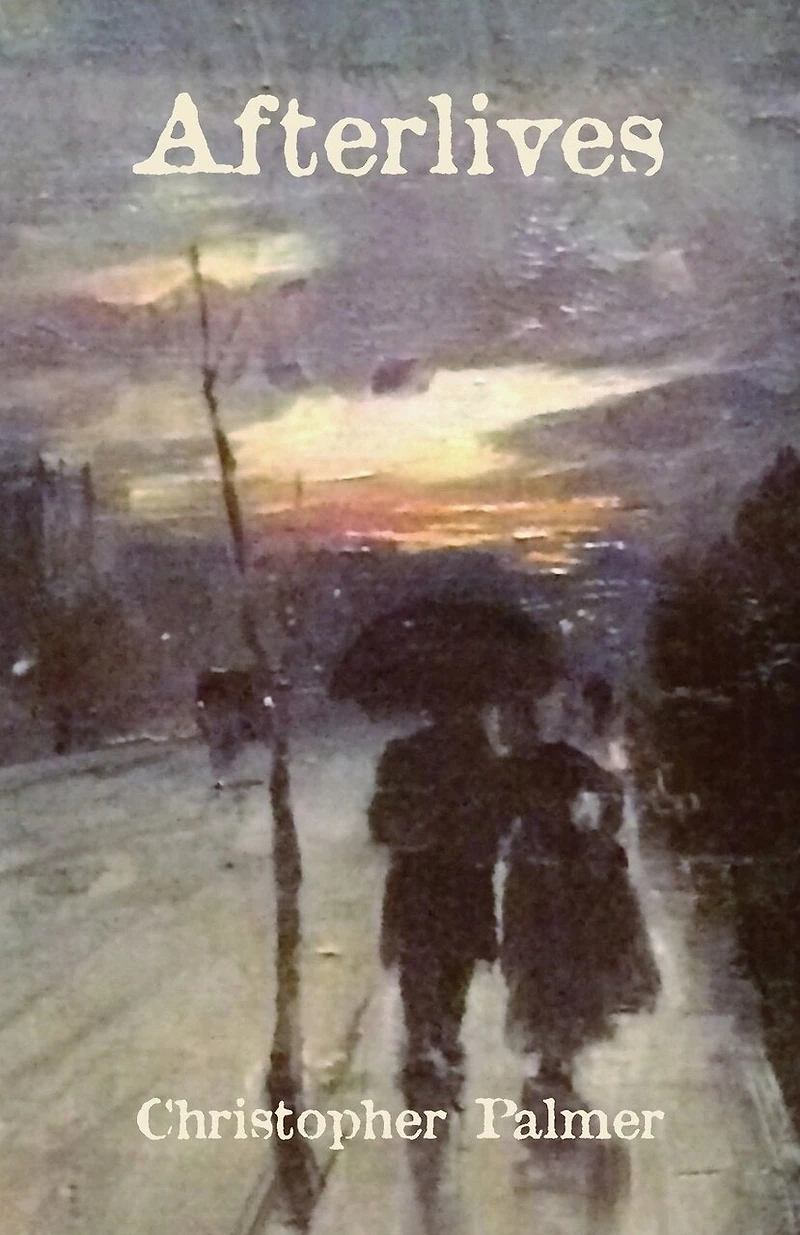
Afterlives in Ottawa, ON
By None
Current price: $17.00

By None
Afterlives in Ottawa, ON
Current price: $17.00
Loading Inventory...
Size: Paperback
*Product information may vary - to confirm product availability, pricing, shipping and return information please contact Coles
Christopher Palmer was born in Brisbane in 1969 and raised in the UK. He has lived in many places since returning to Australia in 1987, and currently lives in Canberra, where he completed a PhD in the biological sciences in 2005. He's happiest in the ecotone between the arts and sciences, and moves habitually between both. His poetry has been published since 2002. The poems in this volume range across forms, subjects, geography and time, exploring the kinds of relationships that people have. Afterlives is his first collection. Of the poems 'Gallipoli, dawn' and 'Epitaph', Gig Ryan writes, 'Gallipoli tourists "stand like crosses", or a television establishes its "reich", that is, his unique vision unearths a bleak, though sometimes darkly humorous, landscape of turmoil from what had previously seemed familiar and benign.'
Christopher Palmer was born in Brisbane in 1969 and raised in the UK. He has lived in many places since returning to Australia in 1987, and currently lives in Canberra, where he completed a PhD in the biological sciences in 2005. He's happiest in the ecotone between the arts and sciences, and moves habitually between both. His poetry has been published since 2002. The poems in this volume range across forms, subjects, geography and time, exploring the kinds of relationships that people have. Afterlives is his first collection. Of the poems 'Gallipoli, dawn' and 'Epitaph', Gig Ryan writes, 'Gallipoli tourists "stand like crosses", or a television establishes its "reich", that is, his unique vision unearths a bleak, though sometimes darkly humorous, landscape of turmoil from what had previously seemed familiar and benign.'
You May Also Like









More About Coles at Bayshore Shopping Centre
Coles is renowned for its outstanding customer service and great selection of books. Along with the vast array of magazines, stationary, audio-books, children's literature, fiction, non-fiction and reference books, you can find accessories to make your reading experience more pleasurable. We can recommend the very best in reading today. We will help you search our titles for exactly what you need, and if we do not have it in stock, we will order it for you.
100 Bayshore Dr, Nepean, ON K2B 8C1, Canada
Find Coles at Bayshore Shopping Centre in Ottawa, ON
Visit Coles at Bayshore Shopping Centre in Ottawa, ON