

Give the Gift of Choice!
Too many options? Treat your friends and family to their favourite stores with a Bayshore Shopping Centre gift card, redeemable at participating retailers throughout the centre. Click below to purchase yours today!Purchase HereHome
Ageing Biology of a Rhabditid Nematode
Coles
Loading Inventory...
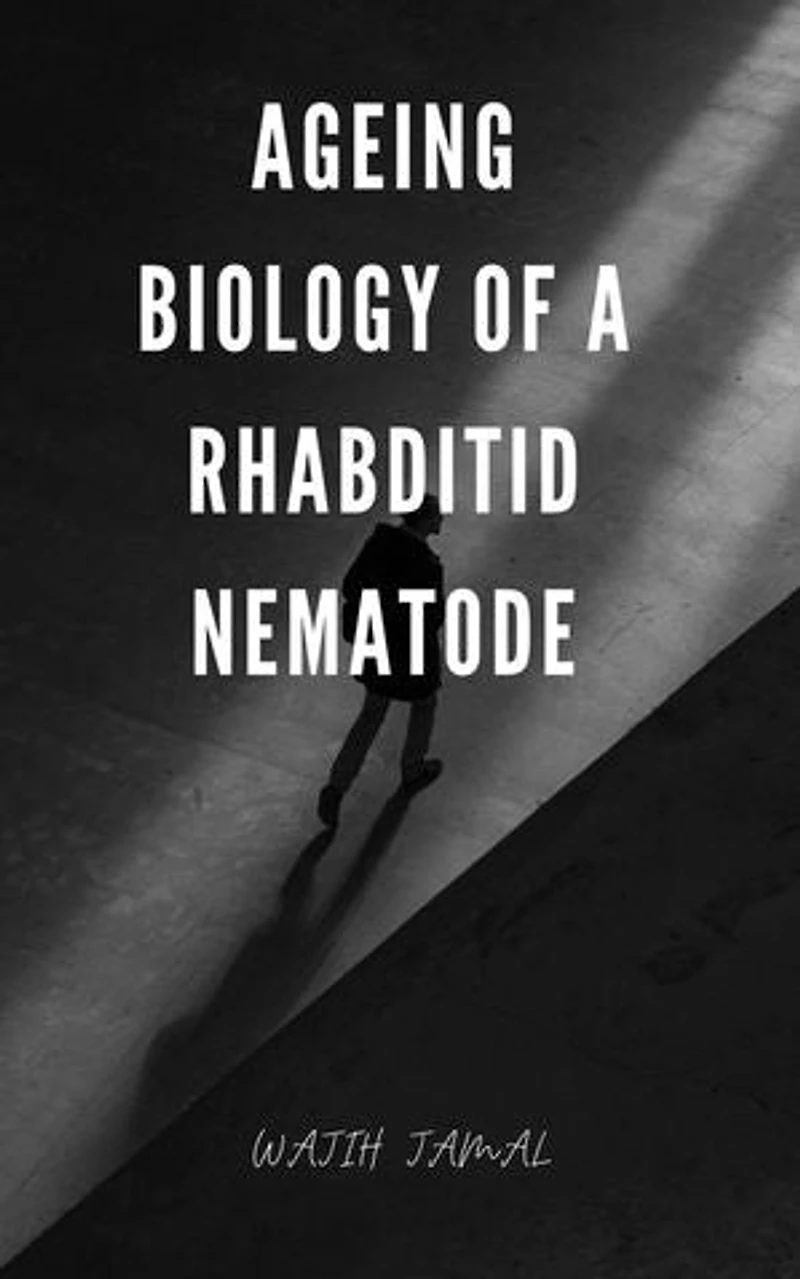
Ageing Biology of a Rhabditid Nematode in Ottawa, ON
Current price: $4.99

Ageing Biology of a Rhabditid Nematode in Ottawa, ON
Current price: $4.99
Loading Inventory...
Size: Kobo eBook
*Product information may vary - to confirm product availability, pricing, shipping and return information please contact Coles
Overview
Rhabditid nematodes, exemplified by Caenorhabditis elegans (C. elegans), are a crucial model system for studying aging. These nematodes have a simple anatomy, transparent bodies, and a short, well-defined lifespan, allowing researchers to observe aging processes in real-time and at cellular resolution.
Lifespan and Development
C. elegans typically has a lifespan of about 2-3 weeks under laboratory conditions. The life cycle consists of an embryonic stage, four larval stages (L1-L4), and adulthood. Aging research primarily focuses on the adult stage, which can be divided into early, mid, and late adulthood, characterized by distinct physiological and molecular changes.
Genetic Regulation of Aging
Several genes and pathways are known to regulate aging in rhabditid nematodes:
Insulin/IGF-1 Signaling (IIS) Pathway: The DAF-2/insulin receptor and DAF-16/FOXO transcription factor are central to this pathway. Mutations that reduce IIS activity increase lifespan.
Target of Rapamycin (TOR) Pathway: This nutrient-sensing pathway influences growth and longevity, with reduced TOR signaling being associated with increased lifespan.
Mitochondrial Function: Mitochondrial integrity and function are crucial for longevity. Mutations affecting mitochondrial electron transport chain components can extend lifespan.
Stress Response Pathways: Heat shock proteins, oxidative stress response, and other stress-related pathways play significant roles in longevity.
Cellular and Molecular Mechanisms
Proteostasis: Maintenance of protein homeostasis, including proper protein folding, degradation, and aggregation prevention, is vital for longevity. Decline in proteostasis is a hallmark of aging in nematodes.
Autophagy: This cellular process for degrading and recycling cellular components is essential for lifespan extension. Enhanced autophagy correlates with increased longevity.
DNA Damage and Repair: Efficient DNA repair mechanisms are associated with increased lifespan, while accumulated DNA damage contributes to aging.
Epigenetics: Chromatin modifications and non-coding RNAs also regulate aging, influencing gene expression patterns over the lifespan.
Physiological Changes
Reproductive Senescence: Nematodes exhibit a decline in reproductive capacity with age, which is linked to changes in germline and somatic cells.
Neuromuscular Decline: Age-related deterioration in muscle and neuronal function is observed, leading to reduced motility and sensory perception.
Metabolic Shifts: Aging nematodes undergo metabolic changes, including alterations in lipid metabolism and energy production.
Overview
Rhabditid nematodes, exemplified by Caenorhabditis elegans (C. elegans), are a crucial model system for studying aging. These nematodes have a simple anatomy, transparent bodies, and a short, well-defined lifespan, allowing researchers to observe aging processes in real-time and at cellular resolution.
Lifespan and Development
C. elegans typically has a lifespan of about 2-3 weeks under laboratory conditions. The life cycle consists of an embryonic stage, four larval stages (L1-L4), and adulthood. Aging research primarily focuses on the adult stage, which can be divided into early, mid, and late adulthood, characterized by distinct physiological and molecular changes.
Genetic Regulation of Aging
Several genes and pathways are known to regulate aging in rhabditid nematodes:
Insulin/IGF-1 Signaling (IIS) Pathway: The DAF-2/insulin receptor and DAF-16/FOXO transcription factor are central to this pathway. Mutations that reduce IIS activity increase lifespan.
Target of Rapamycin (TOR) Pathway: This nutrient-sensing pathway influences growth and longevity, with reduced TOR signaling being associated with increased lifespan.
Mitochondrial Function: Mitochondrial integrity and function are crucial for longevity. Mutations affecting mitochondrial electron transport chain components can extend lifespan.
Stress Response Pathways: Heat shock proteins, oxidative stress response, and other stress-related pathways play significant roles in longevity.
Cellular and Molecular Mechanisms
Proteostasis: Maintenance of protein homeostasis, including proper protein folding, degradation, and aggregation prevention, is vital for longevity. Decline in proteostasis is a hallmark of aging in nematodes.
Autophagy: This cellular process for degrading and recycling cellular components is essential for lifespan extension. Enhanced autophagy correlates with increased longevity.
DNA Damage and Repair: Efficient DNA repair mechanisms are associated with increased lifespan, while accumulated DNA damage contributes to aging.
Epigenetics: Chromatin modifications and non-coding RNAs also regulate aging, influencing gene expression patterns over the lifespan.
Physiological Changes
Reproductive Senescence: Nematodes exhibit a decline in reproductive capacity with age, which is linked to changes in germline and somatic cells.
Neuromuscular Decline: Age-related deterioration in muscle and neuronal function is observed, leading to reduced motility and sensory perception.
Metabolic Shifts: Aging nematodes undergo metabolic changes, including alterations in lipid metabolism and energy production.
You May Also Like












More About Coles at Bayshore Shopping Centre
Coles is renowned for its outstanding customer service and great selection of books. Along with the vast array of magazines, stationary, audio-books, children's literature, fiction, non-fiction and reference books, you can find accessories to make your reading experience more pleasurable. We can recommend the very best in reading today. We will help you search our titles for exactly what you need, and if we do not have it in stock, we will order it for you.
100 Bayshore Dr, Nepean, ON K2B 8C1, Canada
Find Coles at Bayshore Shopping Centre in Ottawa, ON
Visit Coles at Bayshore Shopping Centre in Ottawa, ON