

Give the Gift of Choice!
Too many options? Treat your friends and family to their favourite stores with a Bayshore Shopping Centre gift card, redeemable at participating retailers throughout the centre. Click below to purchase yours today!Purchase HereHome
Agency and the Foundations of Ethics: Nietzschean Constitutivism
Coles
Loading Inventory...
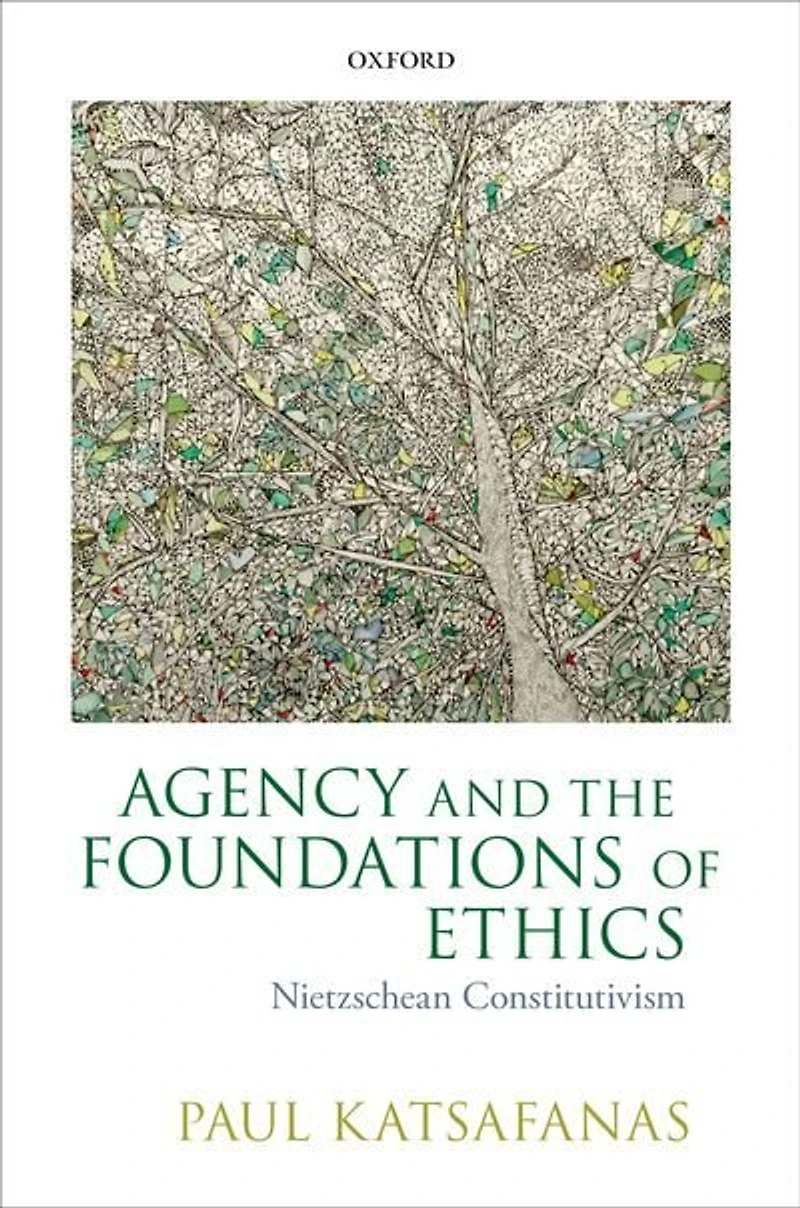
Agency and the Foundations of Ethics: Nietzschean Constitutivism in Ottawa, ON
Current price: $110.00

Agency and the Foundations of Ethics: Nietzschean Constitutivism in Ottawa, ON
Current price: $110.00
Loading Inventory...
Size: Hardcover
*Product information may vary - to confirm product availability, pricing, shipping and return information please contact Coles
Paul Katsafanas explores how we might justify normative claims as diverse as "murder is wrong" and "agents have reason to take the means to their ends." He offers an original account of constitutivism - the view that we can justify certain normative claims by showing that agents become committed to them simply in virtue of acting - and argues that the attractions of this view are considerable: constitutivism promises to resolve longstanding philosophical puzzles about the metaphysics, epistemology, and practical grip of normative claims. The greatest challenge for any constitutivist theory is developing a conception of action that is minimal enough to be independently plausible, but substantial enough to yield robust normative results. Katsafanas argues that the current versions of constitutivism fall short on this score. However, we can generate a successful version by employing a more nuanced theory of action.
Drawing on recent empirical work on human motivation as well as a model of agency indebted to the work of Nietzsche, Agency and the Foundations of Ethics argues that every episode of action aims jointly at agential activity and power. An agent manifests agential activity if she approves of her action, and further knowledge of the motives figuring in the etiology of her action would not undermine this approval. An agent aims at power if she aims at encountering and overcoming obstacles or resistances in the course of pursuing other, more determinate ends. These structural features of agency both constitute events as actions and generate standards of assessment for action. Using these results, Katsafanas shows that we can derive substantive and sometimes surprising normative claims from facts about the nature of agency.
Paul Katsafanas explores how we might justify normative claims as diverse as "murder is wrong" and "agents have reason to take the means to their ends." He offers an original account of constitutivism - the view that we can justify certain normative claims by showing that agents become committed to them simply in virtue of acting - and argues that the attractions of this view are considerable: constitutivism promises to resolve longstanding philosophical puzzles about the metaphysics, epistemology, and practical grip of normative claims. The greatest challenge for any constitutivist theory is developing a conception of action that is minimal enough to be independently plausible, but substantial enough to yield robust normative results. Katsafanas argues that the current versions of constitutivism fall short on this score. However, we can generate a successful version by employing a more nuanced theory of action.
Drawing on recent empirical work on human motivation as well as a model of agency indebted to the work of Nietzsche, Agency and the Foundations of Ethics argues that every episode of action aims jointly at agential activity and power. An agent manifests agential activity if she approves of her action, and further knowledge of the motives figuring in the etiology of her action would not undermine this approval. An agent aims at power if she aims at encountering and overcoming obstacles or resistances in the course of pursuing other, more determinate ends. These structural features of agency both constitute events as actions and generate standards of assessment for action. Using these results, Katsafanas shows that we can derive substantive and sometimes surprising normative claims from facts about the nature of agency.
You May Also Like












More About Coles at Bayshore Shopping Centre
Coles is renowned for its outstanding customer service and great selection of books. Along with the vast array of magazines, stationary, audio-books, children's literature, fiction, non-fiction and reference books, you can find accessories to make your reading experience more pleasurable. We can recommend the very best in reading today. We will help you search our titles for exactly what you need, and if we do not have it in stock, we will order it for you.
100 Bayshore Dr, Nepean, ON K2B 8C1, Canada
Find Coles at Bayshore Shopping Centre in Ottawa, ON
Visit Coles at Bayshore Shopping Centre in Ottawa, ON