

Give the Gift of Choice!
Too many options? Treat your friends and family to their favourite stores with a Bayshore Shopping Centre gift card, redeemable at participating retailers throughout the centre. Click below to purchase yours today!Purchase HereHome
Aging Bones: A Short History Of Osteoporosis
Coles
Loading Inventory...
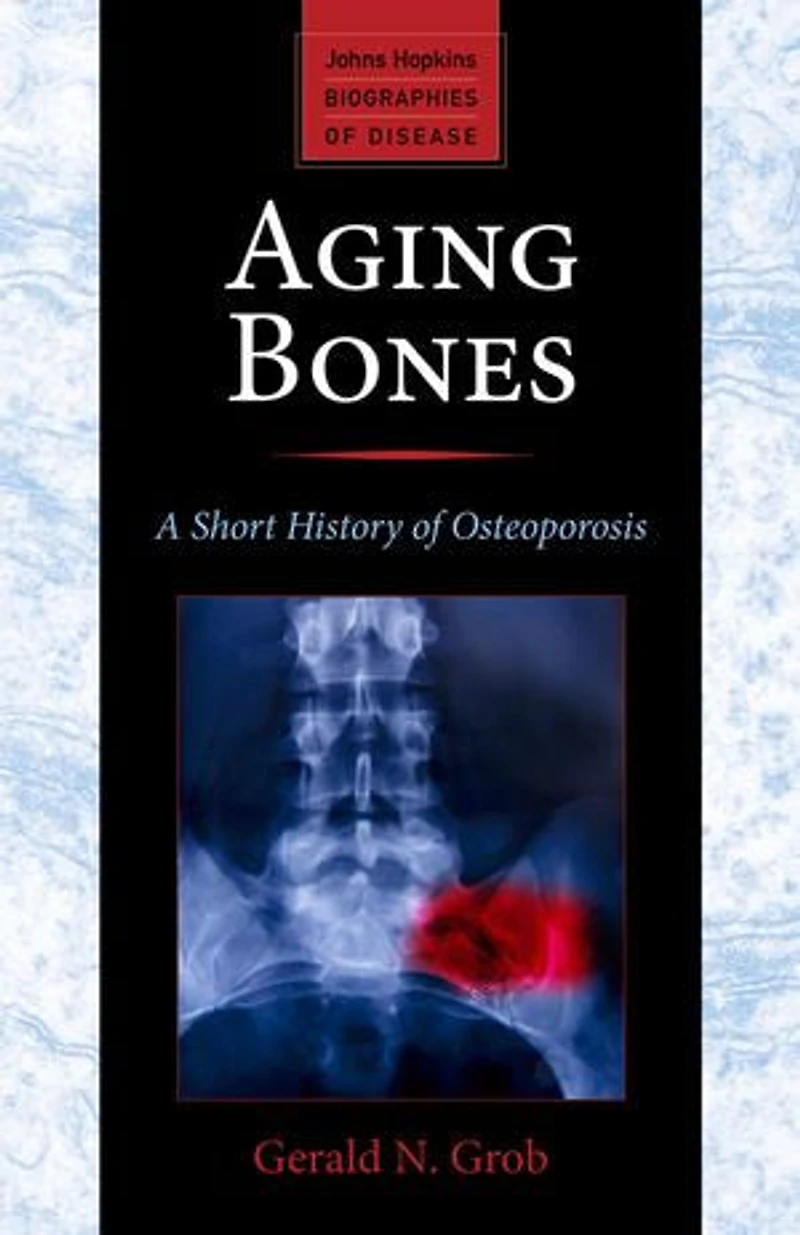
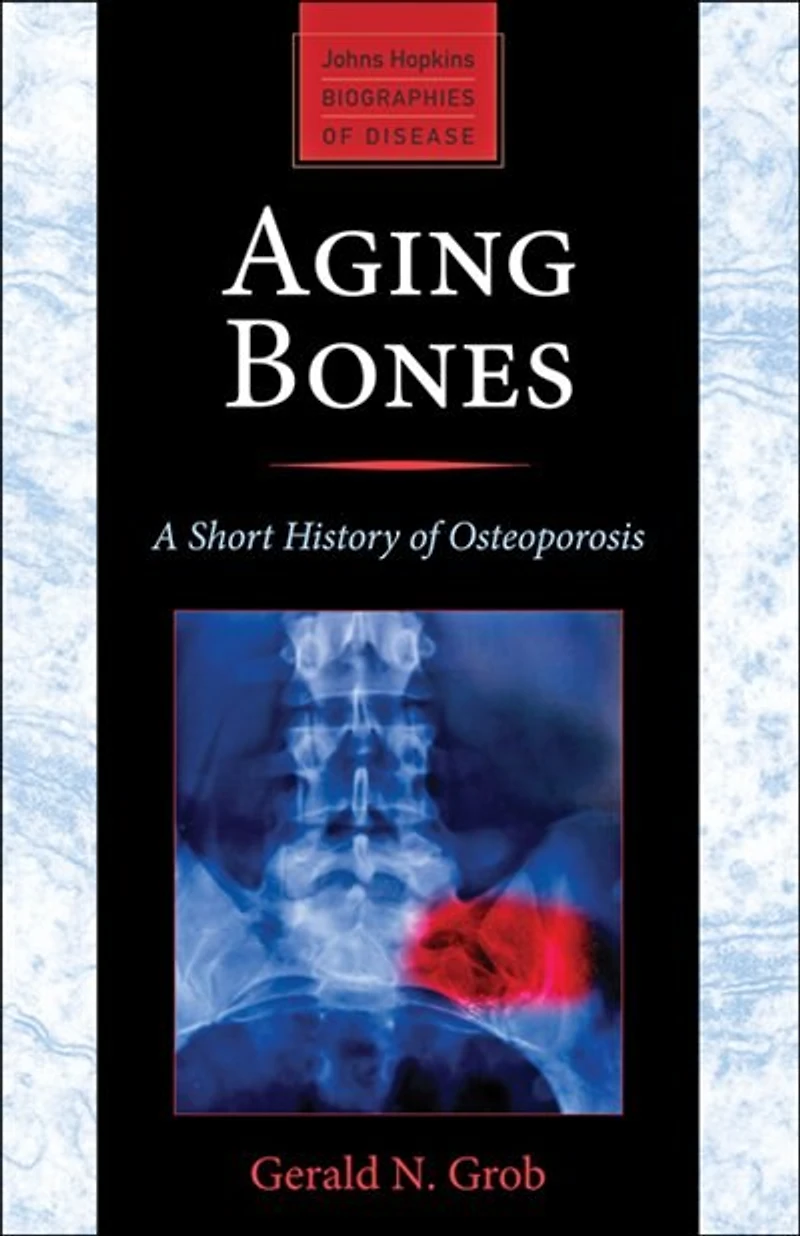
Aging Bones: A Short History Of Osteoporosis in Ottawa, ON
Current price: $30.99
Original price: $37.93

Aging Bones: A Short History Of Osteoporosis in Ottawa, ON
Current price: $30.99
Original price: $37.93
Loading Inventory...
Size: Kobo eBook
*Product information may vary - to confirm product availability, pricing, shipping and return information please contact Coles
How osteoporosis went from a normal aging process to a disease. In the middle of the twentieth century, few physicians could have predicted that the modern diagnostic category of osteoporosis would emerge to include millions of Americans, predominantly older women. Before World War II, popular attitudes held that the declining physical and mental health of older persons was neither preventable nor reversible and that older people had little to contribute. Moreover, the physiological processes that influenced the health of bones remained mysterious. In Aging Bones , Gerald N. Grob makes a historical inquiry into how this one aspect of aging came to be considered a disease. During the 1950s and 1960s, as more and more people lived to the age of 65, older people emerged as a self-conscious group with distinct interests, and they rejected the pejorative concept of senescence. But they had pressing health needs, and preventing age-related decline became a focus for researchers and clinicians alike. In analyzing how the normal aging of bones was transformed into a medical diagnosis requiring treatment, historian of medicine Grob explores developments in medical science as well as the social, intellectual, economic, demographic, and political changes that transformed American society in the post–World War II decades. Though seemingly straightforward, osteoporosis and its treatment are shaped by illusions about the conquest of disease and aging. These illusions, in turn, are instrumental in shaping our health care system. While bone density tests and osteoporosis treatments are now routinely prescribed, aggressive pharmaceutical intervention has produced results that are inconclusive at best. The fascinating history in Aging Bones will appeal to students and scholars in the history of medicine, health policy, gerontology, endocrinology, and orthopedics, as well as anyone who has been diagnosed with osteoporosis.
How osteoporosis went from a normal aging process to a disease. In the middle of the twentieth century, few physicians could have predicted that the modern diagnostic category of osteoporosis would emerge to include millions of Americans, predominantly older women. Before World War II, popular attitudes held that the declining physical and mental health of older persons was neither preventable nor reversible and that older people had little to contribute. Moreover, the physiological processes that influenced the health of bones remained mysterious. In Aging Bones , Gerald N. Grob makes a historical inquiry into how this one aspect of aging came to be considered a disease. During the 1950s and 1960s, as more and more people lived to the age of 65, older people emerged as a self-conscious group with distinct interests, and they rejected the pejorative concept of senescence. But they had pressing health needs, and preventing age-related decline became a focus for researchers and clinicians alike. In analyzing how the normal aging of bones was transformed into a medical diagnosis requiring treatment, historian of medicine Grob explores developments in medical science as well as the social, intellectual, economic, demographic, and political changes that transformed American society in the post–World War II decades. Though seemingly straightforward, osteoporosis and its treatment are shaped by illusions about the conquest of disease and aging. These illusions, in turn, are instrumental in shaping our health care system. While bone density tests and osteoporosis treatments are now routinely prescribed, aggressive pharmaceutical intervention has produced results that are inconclusive at best. The fascinating history in Aging Bones will appeal to students and scholars in the history of medicine, health policy, gerontology, endocrinology, and orthopedics, as well as anyone who has been diagnosed with osteoporosis.
You May Also Like











More About Coles at Bayshore Shopping Centre
Coles is renowned for its outstanding customer service and great selection of books. Along with the vast array of magazines, stationary, audio-books, children's literature, fiction, non-fiction and reference books, you can find accessories to make your reading experience more pleasurable. We can recommend the very best in reading today. We will help you search our titles for exactly what you need, and if we do not have it in stock, we will order it for you.
100 Bayshore Dr, Nepean, ON K2B 8C1, Canada
Find Coles at Bayshore Shopping Centre in Ottawa, ON
Visit Coles at Bayshore Shopping Centre in Ottawa, ON