

Give the Gift of Choice!
Too many options? Treat your friends and family to their favourite stores with a Bayshore Shopping Centre gift card, redeemable at participating retailers throughout the centre. Click below to purchase yours today!Purchase HereHome
Aging Into Poverty
Coles
Loading Inventory...
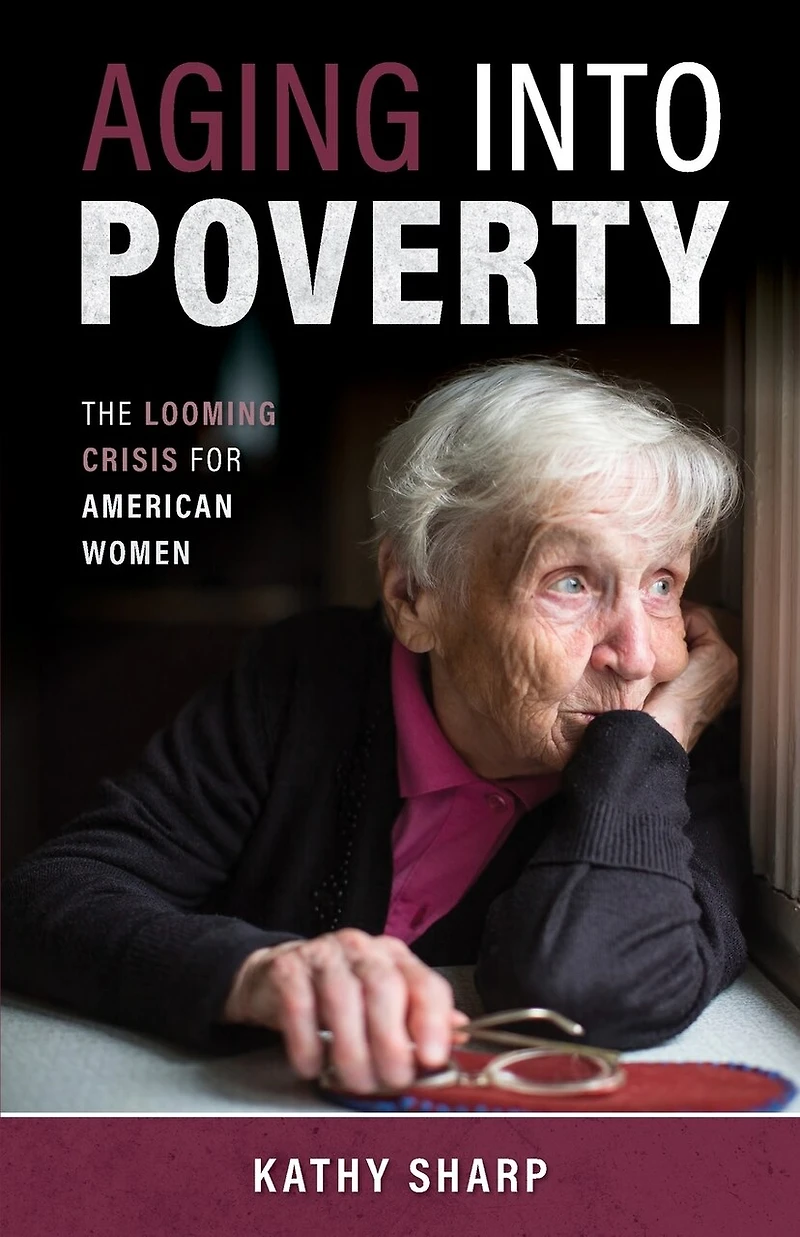
Aging Into Poverty in Ottawa, ON
Current price: $19.99

Aging Into Poverty in Ottawa, ON
Current price: $19.99
Loading Inventory...
Size: Paperback
*Product information may vary - to confirm product availability, pricing, shipping and return information please contact Coles
While one in five of us will need significant assistance with the activities of daily living or long-term care for more than five years, costing as much as $100,000 per year, about 50% of women ages 55 to 66 have no personal retirement savings. Aging Into Poverty spotlights the looming crisis for American women, their families, and communities.
Author Kathy Sharp details the history and public policy decisions that have consigned so many senior women to spend the end of their lives on waiting lists for care and dependent on public assistance. Aging Into Poverty is a compelling personal narrative drawing from the experience of a caregiver who scrambled to put supports in place as her mother, a retired CPA, outlived her savings as her deteriorating health needs required an escalating level of care. Sharp describes the options for senior care in the United States detailing the budget and eligibility requirements. The system is designed so that the dependent elderly must be impoverished in order to qualify for Medicaid which is the only source of public subsidy for long term care. Many seniors do not realize that Medicare does not cover long term care.
Sharp recognized that her mother's experience was not unique, and that her learnings and solutions could help other dependent senior women and their caregivers generate options and secure resources. Drawing on the work of Dr. Keren Wilson, one of the early pioneers in assisted living, Aging Into Poverty describes the framework for evaluating options for senior housing and healthcare which maximize autonomy and community.
While one in five of us will need significant assistance with the activities of daily living or long-term care for more than five years, costing as much as $100,000 per year, about 50% of women ages 55 to 66 have no personal retirement savings. Aging Into Poverty spotlights the looming crisis for American women, their families, and communities.
Author Kathy Sharp details the history and public policy decisions that have consigned so many senior women to spend the end of their lives on waiting lists for care and dependent on public assistance. Aging Into Poverty is a compelling personal narrative drawing from the experience of a caregiver who scrambled to put supports in place as her mother, a retired CPA, outlived her savings as her deteriorating health needs required an escalating level of care. Sharp describes the options for senior care in the United States detailing the budget and eligibility requirements. The system is designed so that the dependent elderly must be impoverished in order to qualify for Medicaid which is the only source of public subsidy for long term care. Many seniors do not realize that Medicare does not cover long term care.
Sharp recognized that her mother's experience was not unique, and that her learnings and solutions could help other dependent senior women and their caregivers generate options and secure resources. Drawing on the work of Dr. Keren Wilson, one of the early pioneers in assisted living, Aging Into Poverty describes the framework for evaluating options for senior housing and healthcare which maximize autonomy and community.
You May Also Like

















More About Coles at Bayshore Shopping Centre
Coles is renowned for its outstanding customer service and great selection of books. Along with the vast array of magazines, stationary, audio-books, children's literature, fiction, non-fiction and reference books, you can find accessories to make your reading experience more pleasurable. We can recommend the very best in reading today. We will help you search our titles for exactly what you need, and if we do not have it in stock, we will order it for you.
100 Bayshore Dr, Nepean, ON K2B 8C1, Canada
Find Coles at Bayshore Shopping Centre in Ottawa, ON
Visit Coles at Bayshore Shopping Centre in Ottawa, ON