

Give the Gift of Choice!
Too many options? Treat your friends and family to their favourite stores with a Bayshore Shopping Centre gift card, redeemable at participating retailers throughout the centre. Click below to purchase yours today!Purchase HereHome
Agriculture In The Wto: Member Spending On Domestic Support
Coles
Loading Inventory...
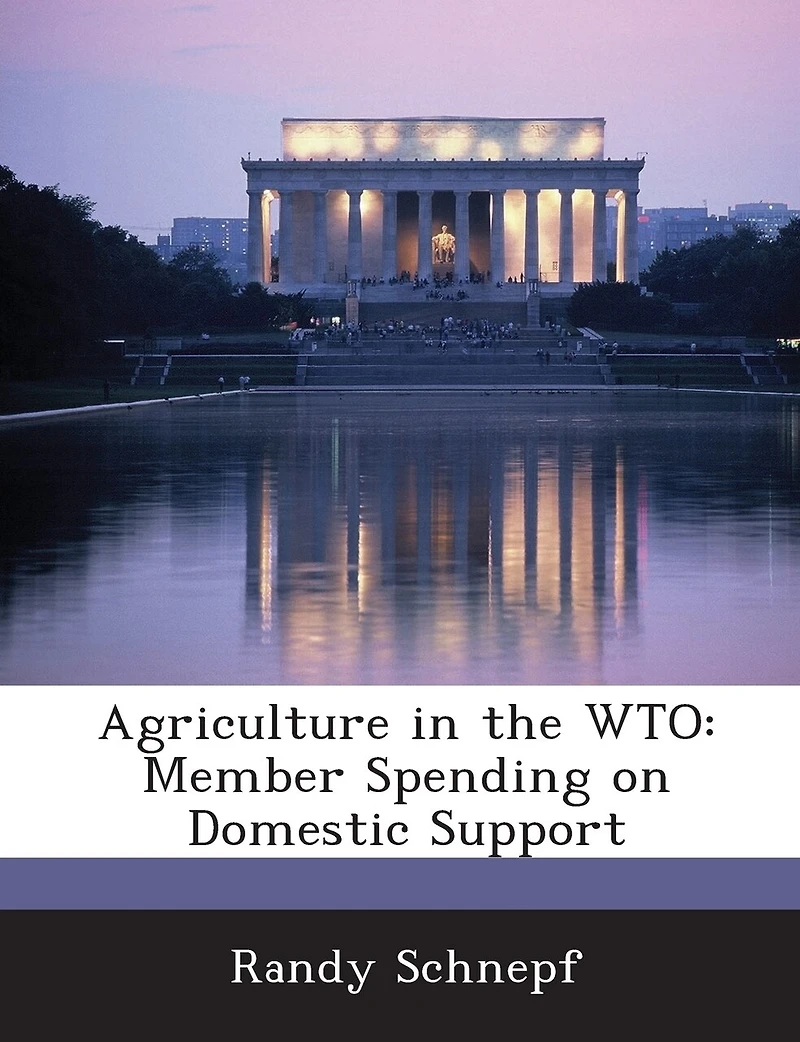
Agriculture In The Wto: Member Spending On Domestic Support in Ottawa, ON
Current price: $18.99

Agriculture In The Wto: Member Spending On Domestic Support in Ottawa, ON
Current price: $18.99
Loading Inventory...
Size: Paperback
*Product information may vary - to confirm product availability, pricing, shipping and return information please contact Coles
Under the World Trade Organization's (WTO's) Agreement on Agriculture (AA), member countries agreed to general rules regarding disciplines on domestic subsidies (as well as on export subsidies and market access). The AA's goal was to provide a framework for the leading members of the WTO to make changes in their domestic farm policies to facilitate more open trade. Under the AA, domestic spending is disaggregated according to those outlays that have the greatest potential to distort agricultural markets (i.e., amber box) and therefore are subject to spending limits, and more benign outlays (i.e., which cause less market distortion) that are exempted from spending limits under green box, blue box, de minimis, or special and differential treatment exemptions.
Under the World Trade Organization's (WTO's) Agreement on Agriculture (AA), member countries agreed to general rules regarding disciplines on domestic subsidies (as well as on export subsidies and market access). The AA's goal was to provide a framework for the leading members of the WTO to make changes in their domestic farm policies to facilitate more open trade. Under the AA, domestic spending is disaggregated according to those outlays that have the greatest potential to distort agricultural markets (i.e., amber box) and therefore are subject to spending limits, and more benign outlays (i.e., which cause less market distortion) that are exempted from spending limits under green box, blue box, de minimis, or special and differential treatment exemptions.
You May Also Like










More About Coles at Bayshore Shopping Centre
Coles is renowned for its outstanding customer service and great selection of books. Along with the vast array of magazines, stationary, audio-books, children's literature, fiction, non-fiction and reference books, you can find accessories to make your reading experience more pleasurable. We can recommend the very best in reading today. We will help you search our titles for exactly what you need, and if we do not have it in stock, we will order it for you.
100 Bayshore Dr, Nepean, ON K2B 8C1, Canada
Find Coles at Bayshore Shopping Centre in Ottawa, ON
Visit Coles at Bayshore Shopping Centre in Ottawa, ON