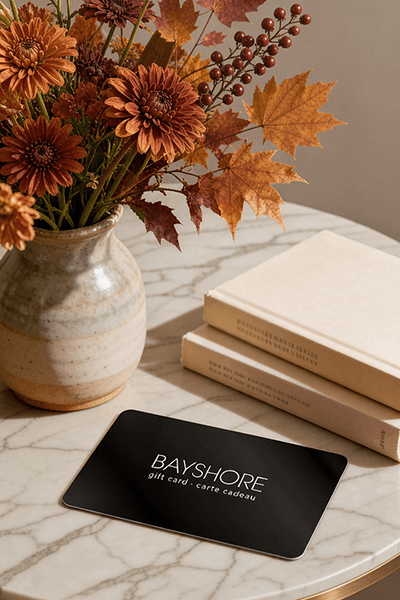
Too many options? Treat your friends and family to their favourite stores with a Bayshore Shopping Centre gift card, redeemable at participating retailers throughout the centre. Click below to purchase yours today!Purchase Here
Coles AI and the Challenge to Literary Studies at Bayshore Shopping Centre in Ottawa, ON
*Product information may vary - to confirm product availability, pricing, shipping and return information please contact Coles
What are the consequences of generative AI for everyday literary studies? In this short monograph, Tim Lanzendörfer contends that genAI&s challenge to literary studies is both fundamental and productive: it not only confronts us with our own possible demise as a discipline, it also requires us to reflect on what we do, how we do it, and why. The book is a generative provocation and a thought experiment. It begins by reflecting on the questions raised by the potential to stochastically generate art and literature. It asks after the status of art in the age of genAI, including questions such as the prevalent belief in the need for human agency in the making of art, and issues of quality and originality. And then, it wonders what these discussions mean for literary studies, and most specifically, for literary criticism, for the work of interpretation. What would it mean to work on stochastic genAI art-but more importantly, what would it mean for our work on art to be doable by stochastic genAI? What can we think about when we think about the potential replaceability of human-made literary studies by genAI?
What are the consequences of generative AI for everyday literary studies? In this short monograph, Tim Lanzendörfer contends that genAI&s challenge to literary studies is both fundamental and productive: it not only confronts us with our own possible demise as a discipline, it also requires us to reflect on what we do, how we do it, and why. The book is a generative provocation and a thought experiment. It begins by reflecting on the questions raised by the potential to stochastically generate art and literature. It asks after the status of art in the age of genAI, including questions such as the prevalent belief in the need for human agency in the making of art, and issues of quality and originality. And then, it wonders what these discussions mean for literary studies, and most specifically, for literary criticism, for the work of interpretation. What would it mean to work on stochastic genAI art-but more importantly, what would it mean for our work on art to be doable by stochastic genAI? What can we think about when we think about the potential replaceability of human-made literary studies by genAI?
Coles is renowned for its outstanding customer service and great selection of books. Along with the vast array of magazines, stationary, audio-books, children's literature, fiction, non-fiction and reference books, you can find accessories to make your reading experience more pleasurable. We can recommend the very best in reading today. We will help you search our titles for exactly what you need, and if we do not have it in stock, we will order it for you.