

Give the Gift of Choice!
Too many options? Treat your friends and family to their favourite stores with a Bayshore Shopping Centre gift card, redeemable at participating retailers throughout the centre. Click below to purchase yours today!Purchase HereHome
AI Fairness and Beyond: Law, Regulation, Technology
Coles
Loading Inventory...
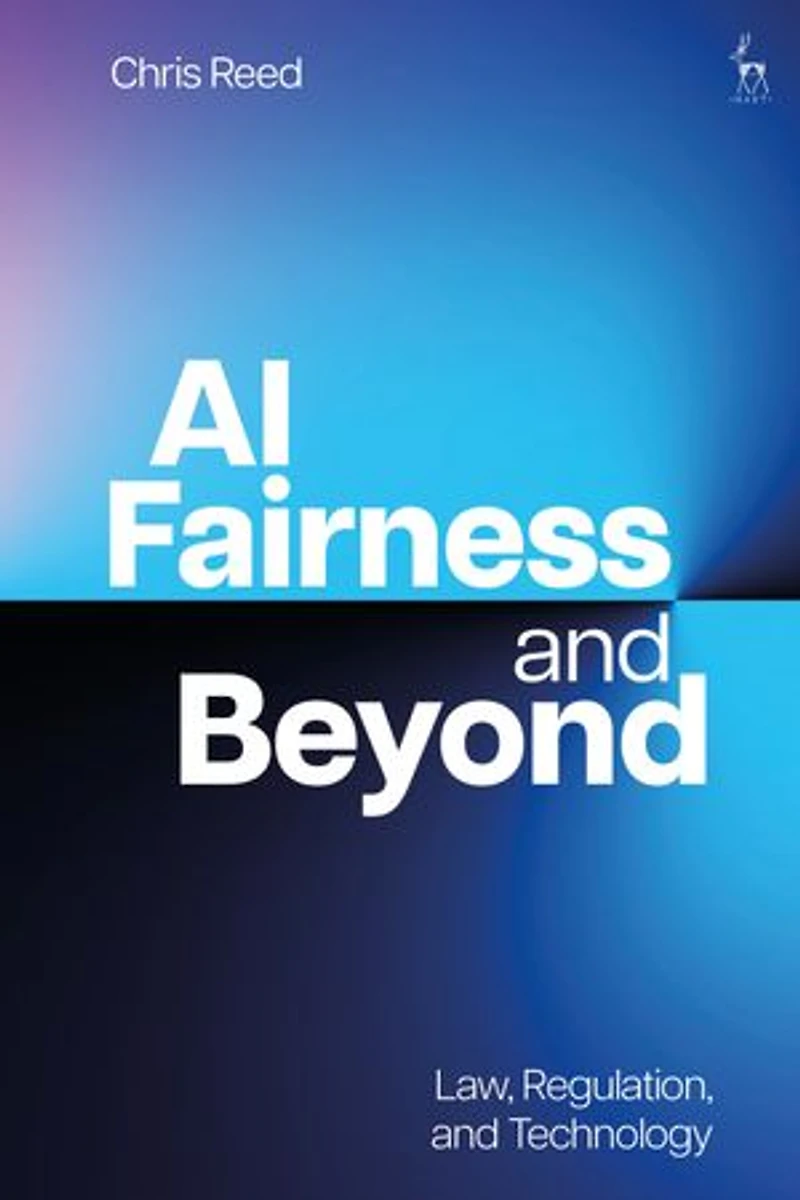

AI Fairness and Beyond: Law, Regulation, Technology in Ottawa, ON
Current price: $61.19
Original price: $76.45

AI Fairness and Beyond: Law, Regulation, Technology in Ottawa, ON
Current price: $61.19
Original price: $76.45
Loading Inventory...
Size: Kobo eBook
*Product information may vary - to confirm product availability, pricing, shipping and return information please contact Coles
This book proposes a regulatory system for ensuring that AI makes fair decisions. No one wants to be the subject of an unfair decision made by an AI, and fairness is so important to society that we are likely to want to regulate to demand it. But how? This book attempts to answer that question. The aim of regulation must be for an AI's decisions to match the human conception of fairness. To understand what that is, the book proposes a holistic understanding of fairness, which tells us what regulation must try to achieve. However, regulation is not an abstract activity - it regulates how humans behave, and the humans in question are those who develop and use AI for decision-making. Thus the book investigates how those humans are attempting to achieve AI fairness. It finds that there is a serious mismatch between how technologists conceptualise fairness, compared to other humans. How can AI regulation bridge this gap? Traditional models of regulation cannot solve this problem. Fairness is too nuanced, too contextual, and is ultimately a human emotional response. Instead the book proposes to place the responsibility on the AI community to explain and justify their efforts to achieve fairness, basing regulatory and legal responses on how well that explanation deals with the risks that particular AI presents, and whether the AI operates in accordance with the explanation in use. The book concludes by examining how far this regulatory model might be useful for some of the other social problems which AI generates. An original and significant contribution to the literature on AI regulation, this book is a must-read for those working in the areas of law, regulation, and technology.
This book proposes a regulatory system for ensuring that AI makes fair decisions. No one wants to be the subject of an unfair decision made by an AI, and fairness is so important to society that we are likely to want to regulate to demand it. But how? This book attempts to answer that question. The aim of regulation must be for an AI's decisions to match the human conception of fairness. To understand what that is, the book proposes a holistic understanding of fairness, which tells us what regulation must try to achieve. However, regulation is not an abstract activity - it regulates how humans behave, and the humans in question are those who develop and use AI for decision-making. Thus the book investigates how those humans are attempting to achieve AI fairness. It finds that there is a serious mismatch between how technologists conceptualise fairness, compared to other humans. How can AI regulation bridge this gap? Traditional models of regulation cannot solve this problem. Fairness is too nuanced, too contextual, and is ultimately a human emotional response. Instead the book proposes to place the responsibility on the AI community to explain and justify their efforts to achieve fairness, basing regulatory and legal responses on how well that explanation deals with the risks that particular AI presents, and whether the AI operates in accordance with the explanation in use. The book concludes by examining how far this regulatory model might be useful for some of the other social problems which AI generates. An original and significant contribution to the literature on AI regulation, this book is a must-read for those working in the areas of law, regulation, and technology.
You May Also Like













More About Coles at Bayshore Shopping Centre
Coles is renowned for its outstanding customer service and great selection of books. Along with the vast array of magazines, stationary, audio-books, children's literature, fiction, non-fiction and reference books, you can find accessories to make your reading experience more pleasurable. We can recommend the very best in reading today. We will help you search our titles for exactly what you need, and if we do not have it in stock, we will order it for you.
100 Bayshore Dr, Nepean, ON K2B 8C1, Canada
Find Coles at Bayshore Shopping Centre in Ottawa, ON
Visit Coles at Bayshore Shopping Centre in Ottawa, ON