

Give the Gift of Choice!
Too many options? Treat your friends and family to their favourite stores with a Bayshore Shopping Centre gift card, redeemable at participating retailers throughout the centre. Click below to purchase yours today!Purchase HereHome
Akrasia and the Catullan Lover: Resisting Reason Republican Rome
Coles
Loading Inventory...

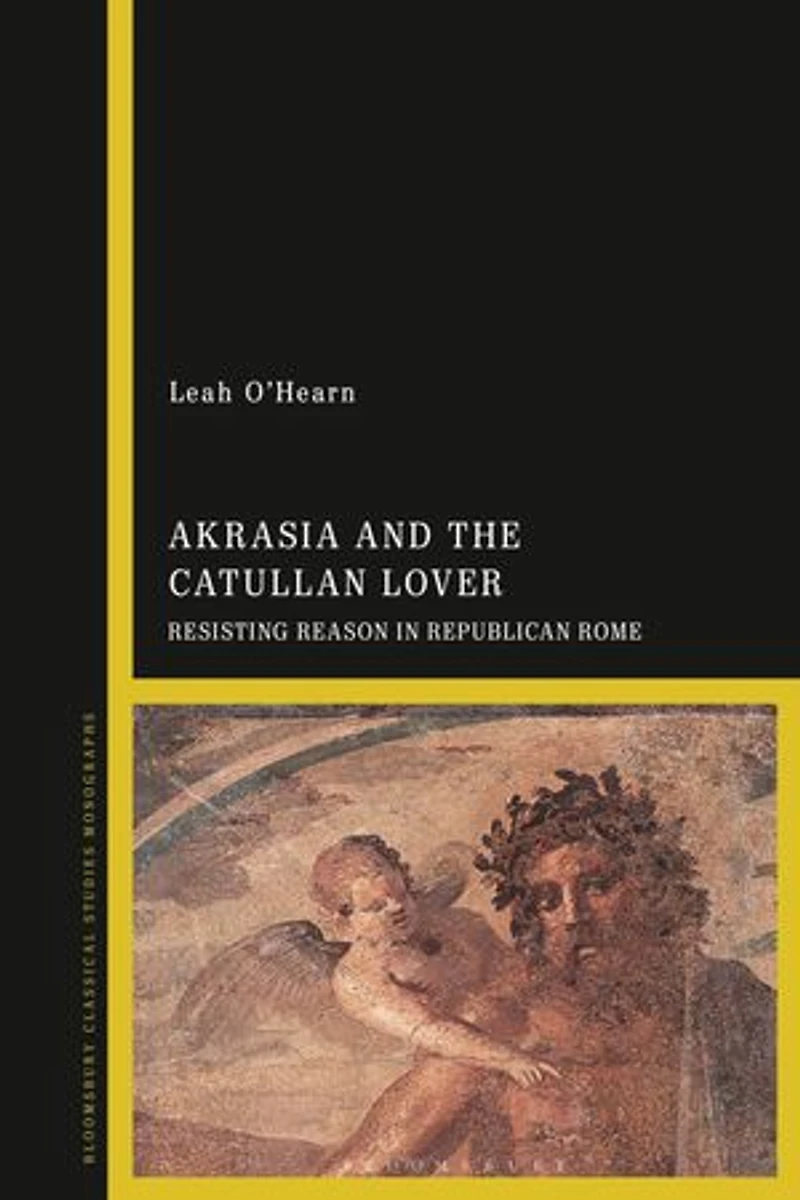
Akrasia and the Catullan Lover: Resisting Reason Republican Rome in Ottawa, ON
By None
Current price: $167.95

By None
Akrasia and the Catullan Lover: Resisting Reason Republican Rome in Ottawa, ON
Current price: $167.95
Loading Inventory...
Size: Hardcover
*Product information may vary - to confirm product availability, pricing, shipping and return information please contact Coles
Exploring how the Roman poet Catullus portrays erotic desire as a problem of self-control, Leah O'Hearn argues that Catullus presents himself as a lover plagued by akrasia (the failure to act on better judgement) drawing on philosophical models, particularly Aristotle's, to frame his emotional conflict. Offering new insights into Roman masculinity and selfhood in the late Republic, this book follows the full range of Catullus' collection from the familiar Lesbia poems to the Juventius cycle, friendships, rivalries and mythological narratives. Positioning Catullus within a broader literary engagement with philosophical thought, this book contributes to the growing field of classical emotion studies by tracing how conflicting desires were staged and moralised in Roman poetry. In doing so, it reveals how Catullus' conflicted speaker resists philosophical ideals of rational self-mastery, offering instead a poetic script for loving too much, regretting it, and doing it again anyway.
Exploring how the Roman poet Catullus portrays erotic desire as a problem of self-control, Leah O'Hearn argues that Catullus presents himself as a lover plagued by akrasia (the failure to act on better judgement) drawing on philosophical models, particularly Aristotle's, to frame his emotional conflict. Offering new insights into Roman masculinity and selfhood in the late Republic, this book follows the full range of Catullus' collection from the familiar Lesbia poems to the Juventius cycle, friendships, rivalries and mythological narratives. Positioning Catullus within a broader literary engagement with philosophical thought, this book contributes to the growing field of classical emotion studies by tracing how conflicting desires were staged and moralised in Roman poetry. In doing so, it reveals how Catullus' conflicted speaker resists philosophical ideals of rational self-mastery, offering instead a poetic script for loving too much, regretting it, and doing it again anyway.
You May Also Like
















More About Coles at Bayshore Shopping Centre
Coles is renowned for its outstanding customer service and great selection of books. Along with the vast array of magazines, stationary, audio-books, children's literature, fiction, non-fiction and reference books, you can find accessories to make your reading experience more pleasurable. We can recommend the very best in reading today. We will help you search our titles for exactly what you need, and if we do not have it in stock, we will order it for you.
100 Bayshore Dr, Nepean, ON K2B 8C1, Canada
Find Coles at Bayshore Shopping Centre in Ottawa, ON
Visit Coles at Bayshore Shopping Centre in Ottawa, ON