

Give the Gift of Choice!
Too many options? Treat your friends and family to their favourite stores with a Bayshore Shopping Centre gift card, redeemable at participating retailers throughout the centre. Click below to purchase yours today!Purchase HereHome
Alan Lomax, the South, and American Folk Music Revival, 1933-1969
Coles
Loading Inventory...
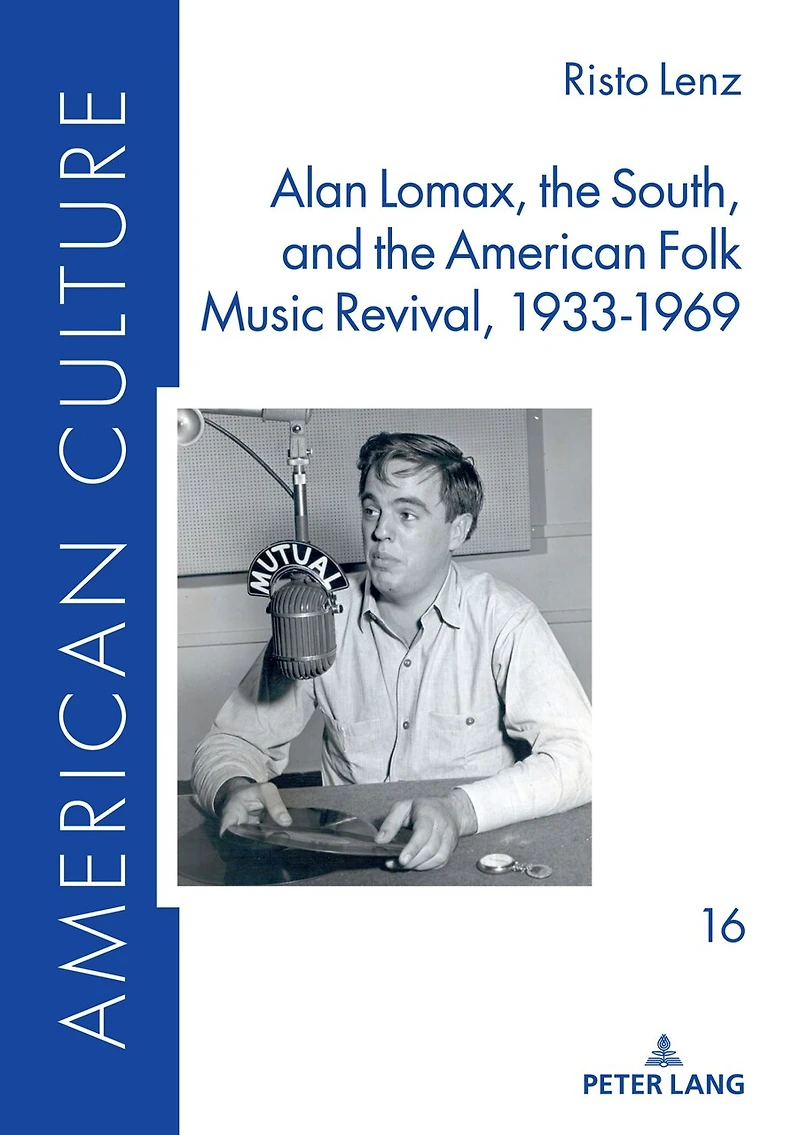
Alan Lomax, the South, and American Folk Music Revival, 1933-1969 in Ottawa, ON
Current price: $127.70

Alan Lomax, the South, and American Folk Music Revival, 1933-1969 in Ottawa, ON
Current price: $127.70
Loading Inventory...
Size: Hardcover
*Product information may vary - to confirm product availability, pricing, shipping and return information please contact Coles
Alan Lomax (1915-2002) is arguably the most popular and influential American folk song collector of the 20 th century. Pursuing a mission of both preserving and popularizing folk music, Lomax moved between political activism, the scholarly world, and the world of popular culture. Based largely on primary material, the book shows how Lomax’s diverse activities made him an authority in the field of folk music and how he used this power to advocate the cultures of perceived marginalized Americans – whom he located primarily in the American South. In this approach, however, folk music became an abstract idea onto which notions oscillating between hope and disillusionment, fear and perspective were projected. The author argues that Lomax’s role as a cultural mediator, with a politically motivated approach, helped him to decisively shape the perception and reception of what came to be known as American folk music, from the mid 1930s to the late 1960s.
Alan Lomax (1915-2002) is arguably the most popular and influential American folk song collector of the 20 th century. Pursuing a mission of both preserving and popularizing folk music, Lomax moved between political activism, the scholarly world, and the world of popular culture. Based largely on primary material, the book shows how Lomax’s diverse activities made him an authority in the field of folk music and how he used this power to advocate the cultures of perceived marginalized Americans – whom he located primarily in the American South. In this approach, however, folk music became an abstract idea onto which notions oscillating between hope and disillusionment, fear and perspective were projected. The author argues that Lomax’s role as a cultural mediator, with a politically motivated approach, helped him to decisively shape the perception and reception of what came to be known as American folk music, from the mid 1930s to the late 1960s.
You May Also Like









More About Coles at Bayshore Shopping Centre
Coles is renowned for its outstanding customer service and great selection of books. Along with the vast array of magazines, stationary, audio-books, children's literature, fiction, non-fiction and reference books, you can find accessories to make your reading experience more pleasurable. We can recommend the very best in reading today. We will help you search our titles for exactly what you need, and if we do not have it in stock, we will order it for you.
100 Bayshore Dr, Nepean, ON K2B 8C1, Canada
Find Coles at Bayshore Shopping Centre in Ottawa, ON
Visit Coles at Bayshore Shopping Centre in Ottawa, ON