

Give the Gift of Choice!
Too many options? Treat your friends and family to their favourite stores with a Bayshore Shopping Centre gift card, redeemable at participating retailers throughout the centre. Click below to purchase yours today!Purchase HereHome
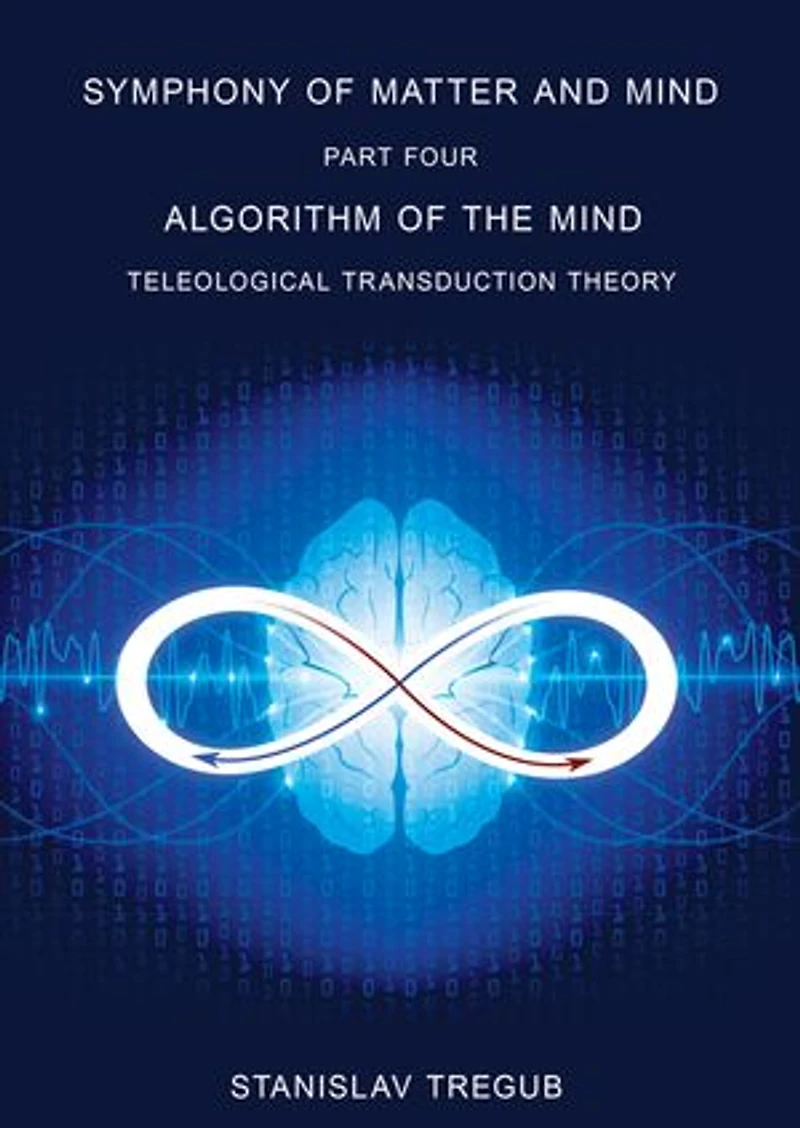
Algorithm of the Mind: Teleological Transduction Theory
Coles
Loading Inventory...
Algorithm of the Mind: Teleological Transduction Theory in Ottawa, ON
Current price: $11.00

Algorithm of the Mind: Teleological Transduction Theory in Ottawa, ON
Current price: $11.00
Loading Inventory...
Size: Kobo eBook
*Product information may vary - to confirm product availability, pricing, shipping and return information please contact Coles
Cognitive science is an interdisciplinary field that focuses on the study of the Mind. However, none of the disciplines within this field provides a clear definition of the research object. This puts cognitive science in an awkward position of looking for a ‘black cat in a dark room’ without knowing what a ‘cat’ is. The mission is impossible even if the ‘cat’ is there. Some researchers believe that it is impossible to define the Mind. Some think that the problem is too hard for the Mind to define itself. Some are satisfied with the tautology that the Mind is a set of mental phenomena. Some say that we should not risk giving a specific definition because we do not have enough knowledge, and prefer to wait for someone else to do it sometime in the future.
There are so many cooks but they have not even started to get the broth done as they seem to be afraid to spoil it. They discuss various kinds of recipes and methods. So far, the consensus is that the Mind should be studied on various levels of analysis which are usually called computational, algorithmic, representational, and implementational. To put it simply, we should understand what the Mind does, why it does, and how it does. These are questions for the scientific study of any phenomenon. They are usually called functional, teleological, and causal questions. However, before we can get to those levels, we have to build a foundation by answering the phenomenological question of what we study. Without it, all other levels of analysis hang in the air, and the Mind remains a mystery.
For a scientific solution to the mystery, the definition of the Mind as a basic hypothesis about the object of study must be formulated in physical terms and, thus, testable and potentially refutable or confirmable. In this volume of the “Symphony of Matter and Mind” project, the author takes the physical and biophysical foundation laid down in the previous volumes concerning the questions about Matter and proceeds to answer the questions about the Mind from a physical perspective. Taking the risk, the proposed theory starts by giving a precise physical definition of the research object and based on this foundation develops computational, algorithmic, representational, and implementational levels in this and the following volumes. The road is long but it cannot be covered without a first step.
Cognitive science is an interdisciplinary field that focuses on the study of the Mind. However, none of the disciplines within this field provides a clear definition of the research object. This puts cognitive science in an awkward position of looking for a ‘black cat in a dark room’ without knowing what a ‘cat’ is. The mission is impossible even if the ‘cat’ is there. Some researchers believe that it is impossible to define the Mind. Some think that the problem is too hard for the Mind to define itself. Some are satisfied with the tautology that the Mind is a set of mental phenomena. Some say that we should not risk giving a specific definition because we do not have enough knowledge, and prefer to wait for someone else to do it sometime in the future.
There are so many cooks but they have not even started to get the broth done as they seem to be afraid to spoil it. They discuss various kinds of recipes and methods. So far, the consensus is that the Mind should be studied on various levels of analysis which are usually called computational, algorithmic, representational, and implementational. To put it simply, we should understand what the Mind does, why it does, and how it does. These are questions for the scientific study of any phenomenon. They are usually called functional, teleological, and causal questions. However, before we can get to those levels, we have to build a foundation by answering the phenomenological question of what we study. Without it, all other levels of analysis hang in the air, and the Mind remains a mystery.
For a scientific solution to the mystery, the definition of the Mind as a basic hypothesis about the object of study must be formulated in physical terms and, thus, testable and potentially refutable or confirmable. In this volume of the “Symphony of Matter and Mind” project, the author takes the physical and biophysical foundation laid down in the previous volumes concerning the questions about Matter and proceeds to answer the questions about the Mind from a physical perspective. Taking the risk, the proposed theory starts by giving a precise physical definition of the research object and based on this foundation develops computational, algorithmic, representational, and implementational levels in this and the following volumes. The road is long but it cannot be covered without a first step.














More About Coles at Bayshore Shopping Centre
Coles is renowned for its outstanding customer service and great selection of books. Along with the vast array of magazines, stationary, audio-books, children's literature, fiction, non-fiction and reference books, you can find accessories to make your reading experience more pleasurable. We can recommend the very best in reading today. We will help you search our titles for exactly what you need, and if we do not have it in stock, we will order it for you.
100 Bayshore Dr, Nepean, ON K2B 8C1, Canada
Find Coles at Bayshore Shopping Centre in Ottawa, ON
Visit Coles at Bayshore Shopping Centre in Ottawa, ON