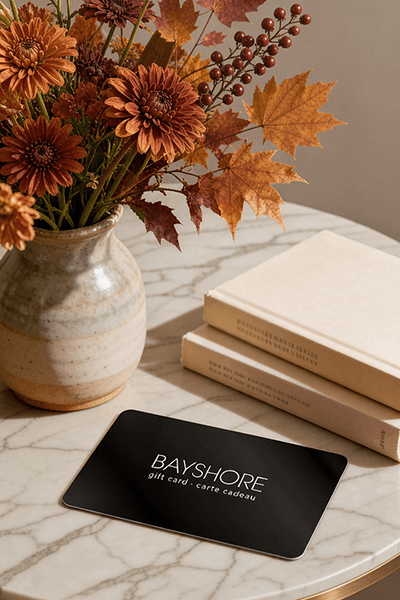
Too many options? Treat your friends and family to their favourite stores with a Bayshore Shopping Centre gift card, redeemable at participating retailers throughout the centre. Click below to purchase yours today!Purchase Here
*Product information may vary - to confirm product availability, pricing, shipping and return information please contact Coles
This publication examines an alternative way to provide education more efficiently and effectively through public-private partnerships by looking into the secondary education policy of the Republic of Korea and Japan.
Focusing on the financial support for private schools and on the accountability system, it explores the contribution of public-private partnerships in universal secondary education in these two countries. Despite initial challenges, these countries succeeded in expanding educational opportunities by involving private sector under well-organized accountability system. Drawing from these case studies, the publication provides recommendations that aim to help developing member countries expand educational opportunities and improve the quality of education as appropriate for each country.
This publication examines an alternative way to provide education more efficiently and effectively through public-private partnerships by looking into the secondary education policy of the Republic of Korea and Japan.
Focusing on the financial support for private schools and on the accountability system, it explores the contribution of public-private partnerships in universal secondary education in these two countries. Despite initial challenges, these countries succeeded in expanding educational opportunities by involving private sector under well-organized accountability system. Drawing from these case studies, the publication provides recommendations that aim to help developing member countries expand educational opportunities and improve the quality of education as appropriate for each country.
Coles is renowned for its outstanding customer service and great selection of books. Along with the vast array of magazines, stationary, audio-books, children's literature, fiction, non-fiction and reference books, you can find accessories to make your reading experience more pleasurable. We can recommend the very best in reading today. We will help you search our titles for exactly what you need, and if we do not have it in stock, we will order it for you.