

Give the Gift of Choice!
Too many options? Treat your friends and family to their favourite stores with a Bayshore Shopping Centre gift card, redeemable at participating retailers throughout the centre. Click below to purchase yours today!Purchase HereHome
Always Coca-Cola
Coles
Loading Inventory...
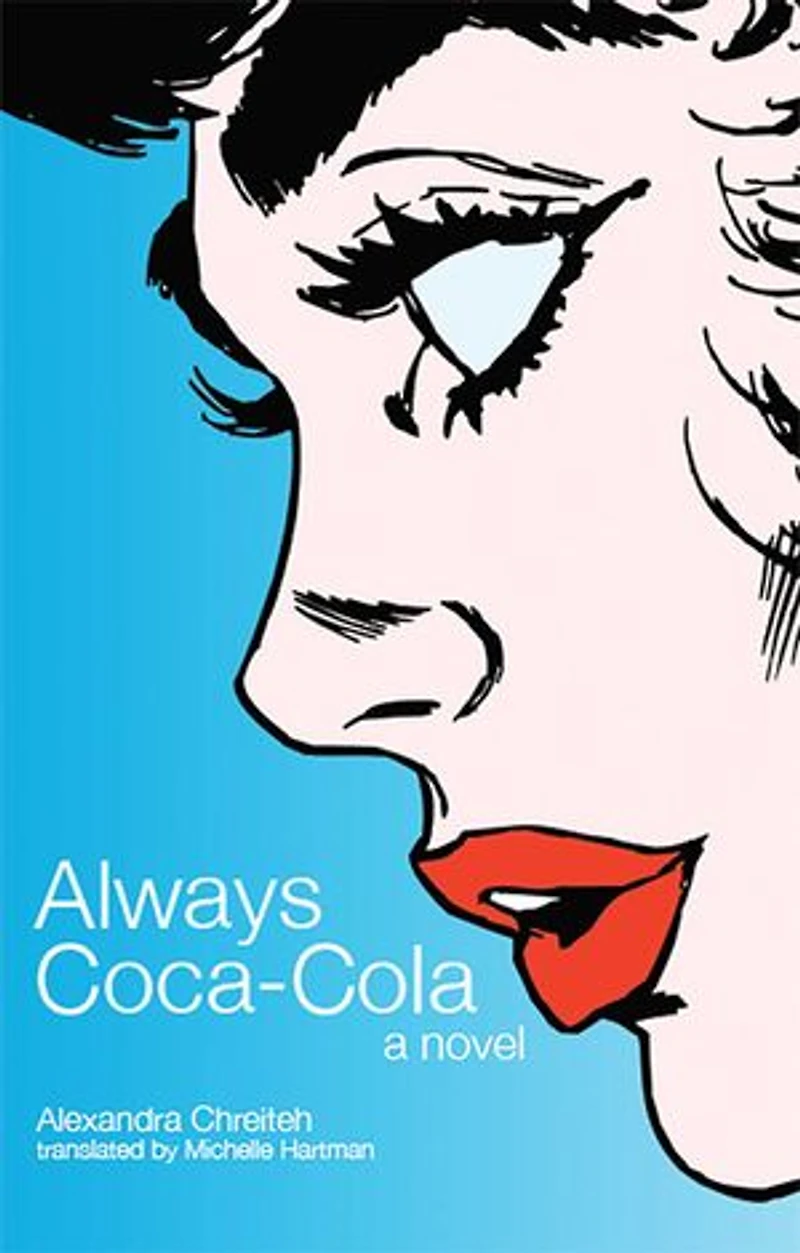
Always Coca-Cola in Ottawa, ON
By None
Current price: $12.99

By None
Always Coca-Cola in Ottawa, ON
Current price: $12.99
Loading Inventory...
Size: Kobo eBook
*Product information may vary - to confirm product availability, pricing, shipping and return information please contact Coles
The narrator of Always Coca-Cola, Abeer Ward (fragrant rose, in Arabic), daughter of a conservative family, admits wryly that her name is also the name of her father’s flower shop. Abeer’s bedroom window is filled by a view of a Coca-Cola sign featuring the image of her sexually adventurous friend, Jana. From the novel’s opening paragraph—“When my mother was pregnant with me, she had only one craving. That craving was for Coca-Cola”—first-time novelist Alexandra Chreiteh asks us to see, with wonder, humor, and dismay, how inextricably confused naming and desire, identity and branding are. The names—and the novel’s edgy, cynical humor—might be recognizable across languages, but Chreiteh’s novel is first and foremost an exploration of a specific Lebanese milieu. Critics in Lebanon have called the novel “an electric shock.”
The narrator of Always Coca-Cola, Abeer Ward (fragrant rose, in Arabic), daughter of a conservative family, admits wryly that her name is also the name of her father’s flower shop. Abeer’s bedroom window is filled by a view of a Coca-Cola sign featuring the image of her sexually adventurous friend, Jana. From the novel’s opening paragraph—“When my mother was pregnant with me, she had only one craving. That craving was for Coca-Cola”—first-time novelist Alexandra Chreiteh asks us to see, with wonder, humor, and dismay, how inextricably confused naming and desire, identity and branding are. The names—and the novel’s edgy, cynical humor—might be recognizable across languages, but Chreiteh’s novel is first and foremost an exploration of a specific Lebanese milieu. Critics in Lebanon have called the novel “an electric shock.”
You May Also Like

%252Fimages%252Fcatalog2024%252F284971_1.jpg_medium.webp)







More About Coles at Bayshore Shopping Centre
Coles is renowned for its outstanding customer service and great selection of books. Along with the vast array of magazines, stationary, audio-books, children's literature, fiction, non-fiction and reference books, you can find accessories to make your reading experience more pleasurable. We can recommend the very best in reading today. We will help you search our titles for exactly what you need, and if we do not have it in stock, we will order it for you.
100 Bayshore Dr, Nepean, ON K2B 8C1, Canada
Find Coles at Bayshore Shopping Centre in Ottawa, ON
Visit Coles at Bayshore Shopping Centre in Ottawa, ON