

Give the Gift of Choice!
Too many options? Treat your friends and family to their favourite stores with a Bayshore Shopping Centre gift card, redeemable at participating retailers throughout the centre. Click below to purchase yours today!Purchase HereHome
America's Geisha Ally: Reimagining the Japanese Enemy
Coles
Loading Inventory...
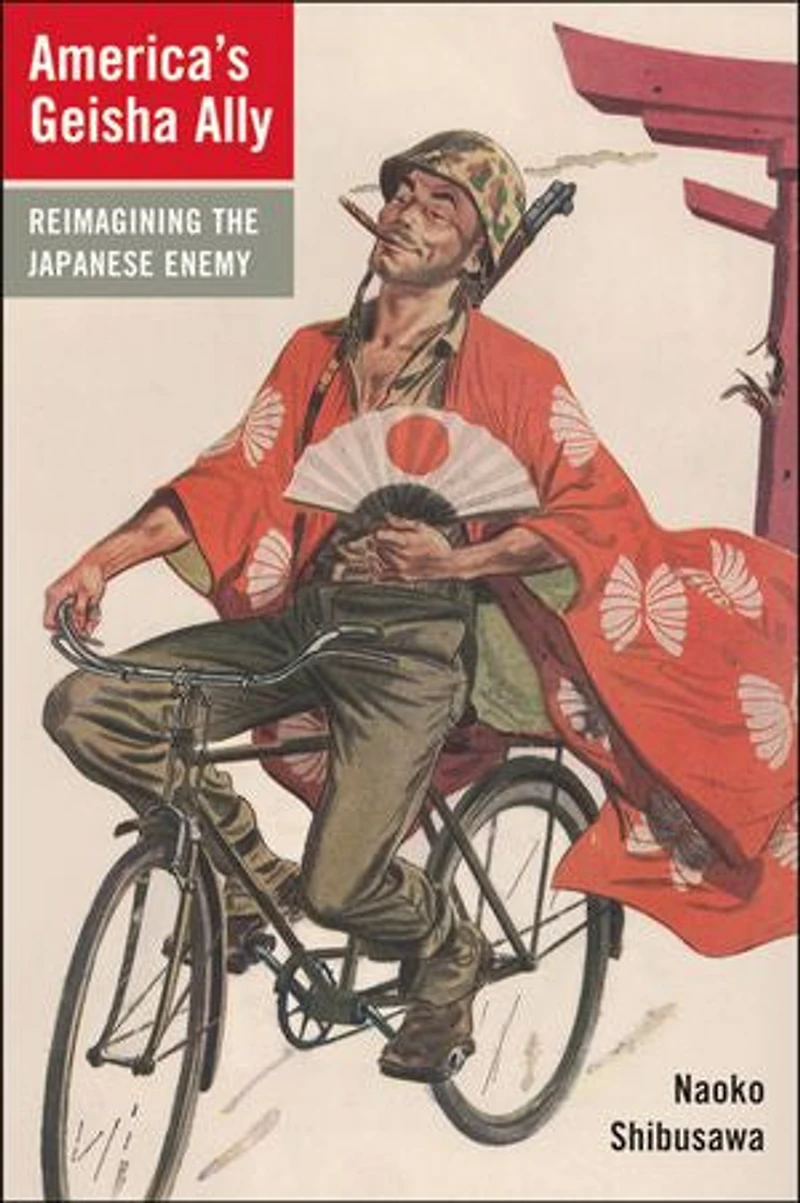
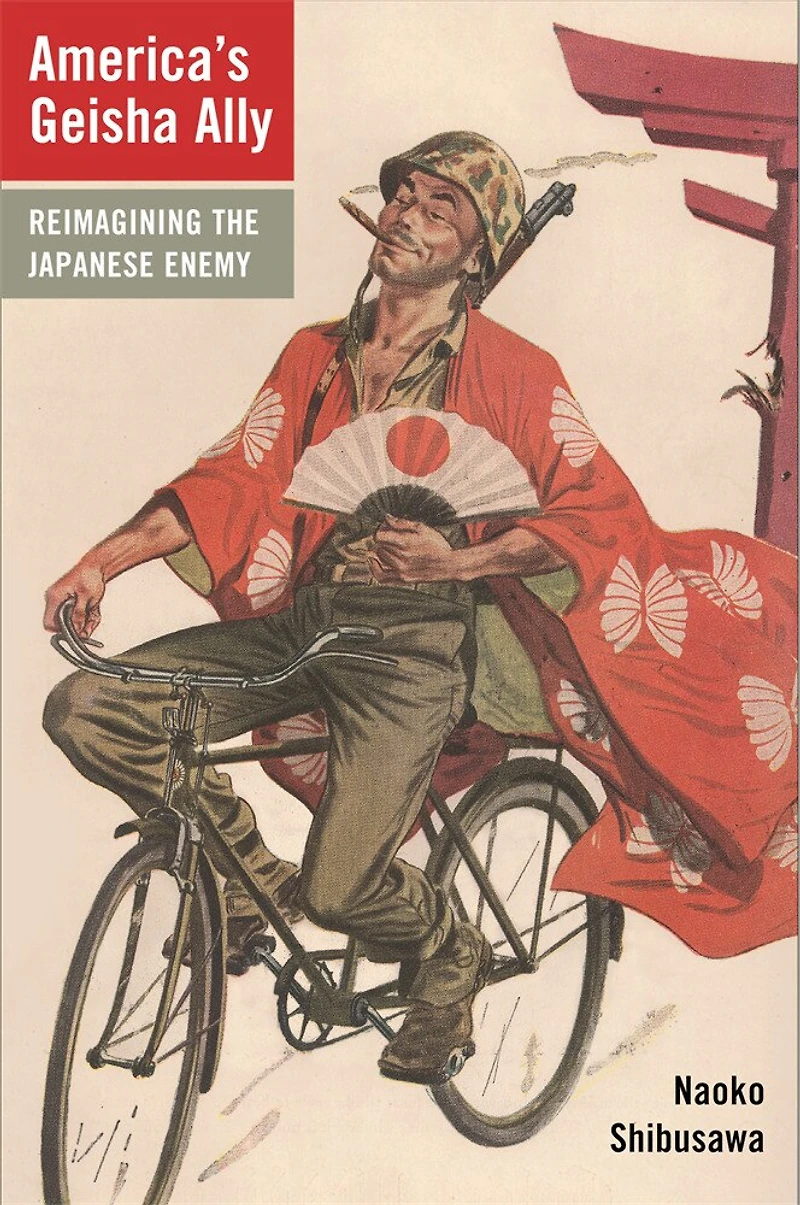
America's Geisha Ally: Reimagining the Japanese Enemy in Ottawa, ON
By None
Current price: $33.69
Original price: $42.07

By None
America's Geisha Ally: Reimagining the Japanese Enemy in Ottawa, ON
Current price: $33.69
Original price: $42.07
Loading Inventory...
Size: Kobo eBook
*Product information may vary - to confirm product availability, pricing, shipping and return information please contact Coles
During World War II, Japan was vilified by America as our hated enemy in the East. Though we distinguished "good Germans" from the Nazis, we condemned all Japanese indiscriminately as fanatics and savages. As the Cold War heated up, however, the U.S. government decided to make Japan its bulwark against communism in Asia.
But how was the American public made to accept an alliance with Japan so soon after the "Japs" had been demonized as subhuman, bucktoothed apes with Coke-bottle glasses? In this revelatory work, Naoko Shibusawa charts the remarkable reversal from hated enemy to valuable ally that occurred in the two decades after the war. While General MacArthur's Occupation Forces pursued our nation's strategic goals in Japan, liberal American politicians, journalists, and filmmakers pursued an equally essential, though long-unrecognized, goal: the dissemination of a new and palatable image of the Japanese among the American public.
With extensive research, from Occupation memoirs to military records, from court documents to Hollywood films, and from charity initiatives to newspaper and magazine articles, Shibusawa demonstrates how the evil enemy was rendered as a feminized, submissive nation, as an immature youth that needed America's benevolent hand to guide it toward democracy. Interestingly, Shibusawa reveals how this obsession with race, gender, and maturity reflected America's own anxieties about race relations and equity between the sexes in the postwar world. America's Geisha Ally is an exploration of how belligerents reconcile themselves in the wake of war, but also offers insight into how a new superpower adjusts to its role as the world's preeminent force.
During World War II, Japan was vilified by America as our hated enemy in the East. Though we distinguished "good Germans" from the Nazis, we condemned all Japanese indiscriminately as fanatics and savages. As the Cold War heated up, however, the U.S. government decided to make Japan its bulwark against communism in Asia.
But how was the American public made to accept an alliance with Japan so soon after the "Japs" had been demonized as subhuman, bucktoothed apes with Coke-bottle glasses? In this revelatory work, Naoko Shibusawa charts the remarkable reversal from hated enemy to valuable ally that occurred in the two decades after the war. While General MacArthur's Occupation Forces pursued our nation's strategic goals in Japan, liberal American politicians, journalists, and filmmakers pursued an equally essential, though long-unrecognized, goal: the dissemination of a new and palatable image of the Japanese among the American public.
With extensive research, from Occupation memoirs to military records, from court documents to Hollywood films, and from charity initiatives to newspaper and magazine articles, Shibusawa demonstrates how the evil enemy was rendered as a feminized, submissive nation, as an immature youth that needed America's benevolent hand to guide it toward democracy. Interestingly, Shibusawa reveals how this obsession with race, gender, and maturity reflected America's own anxieties about race relations and equity between the sexes in the postwar world. America's Geisha Ally is an exploration of how belligerents reconcile themselves in the wake of war, but also offers insight into how a new superpower adjusts to its role as the world's preeminent force.
You May Also Like

















More About Coles at Bayshore Shopping Centre
Coles is renowned for its outstanding customer service and great selection of books. Along with the vast array of magazines, stationary, audio-books, children's literature, fiction, non-fiction and reference books, you can find accessories to make your reading experience more pleasurable. We can recommend the very best in reading today. We will help you search our titles for exactly what you need, and if we do not have it in stock, we will order it for you.
100 Bayshore Dr, Nepean, ON K2B 8C1, Canada
Find Coles at Bayshore Shopping Centre in Ottawa, ON
Visit Coles at Bayshore Shopping Centre in Ottawa, ON