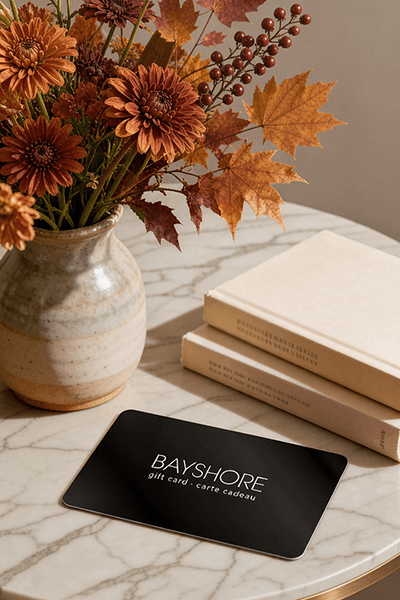
Too many options? Treat your friends and family to their favourite stores with a Bayshore Shopping Centre gift card, redeemable at participating retailers throughout the centre. Click below to purchase yours today!Purchase Here
Coles Amputation in Literature and Film: Artificial Limbs, Prosthetic Relations, and the Semiotics of "Loss" at Bayshore Shopping Centre in Ottawa, ON
*Product information may vary - to confirm product availability, pricing, shipping and return information please contact Coles
Amputation in Literature and Film: Artificial Limbs, Prosthetic Relations, and the Semiotics of "Loss" explores the many ways in which literature and film have engaged with the subject of amputation. The scholars featured in this volume draw upon a wide variety of texts, both lesser-known and canonical, across historical periods and language traditions to interrogate the intersections of disability studies with social, political, cultural, and philosophical concerns. Whether focusing on ancient texts by Zhuangzi or Ovid, renaissance drama, folktales collected by the Brothers Grimm, novels or silent film, the chapters in this volume highlight the dialectics of "loss" and "gain" in narratives of amputation to encourage critical dialogue and forge an integrated, embodied understanding of experiences of impairment in which mind and body, metaphor and materiality, theory and politics are considered as interrelated and interacting aspects of disability and ability.
Amputation in Literature and Film: Artificial Limbs, Prosthetic Relations, and the Semiotics of "Loss" explores the many ways in which literature and film have engaged with the subject of amputation. The scholars featured in this volume draw upon a wide variety of texts, both lesser-known and canonical, across historical periods and language traditions to interrogate the intersections of disability studies with social, political, cultural, and philosophical concerns. Whether focusing on ancient texts by Zhuangzi or Ovid, renaissance drama, folktales collected by the Brothers Grimm, novels or silent film, the chapters in this volume highlight the dialectics of "loss" and "gain" in narratives of amputation to encourage critical dialogue and forge an integrated, embodied understanding of experiences of impairment in which mind and body, metaphor and materiality, theory and politics are considered as interrelated and interacting aspects of disability and ability.
Coles is renowned for its outstanding customer service and great selection of books. Along with the vast array of magazines, stationary, audio-books, children's literature, fiction, non-fiction and reference books, you can find accessories to make your reading experience more pleasurable. We can recommend the very best in reading today. We will help you search our titles for exactly what you need, and if we do not have it in stock, we will order it for you.