

Give the Gift of Choice!
Too many options? Treat your friends and family to their favourite stores with a Bayshore Shopping Centre gift card, redeemable at participating retailers throughout the centre. Click below to purchase yours today!Purchase HereHome
An Anatomy of Witchcraft: Between Cognitive Sciences and History
Coles
Loading Inventory...
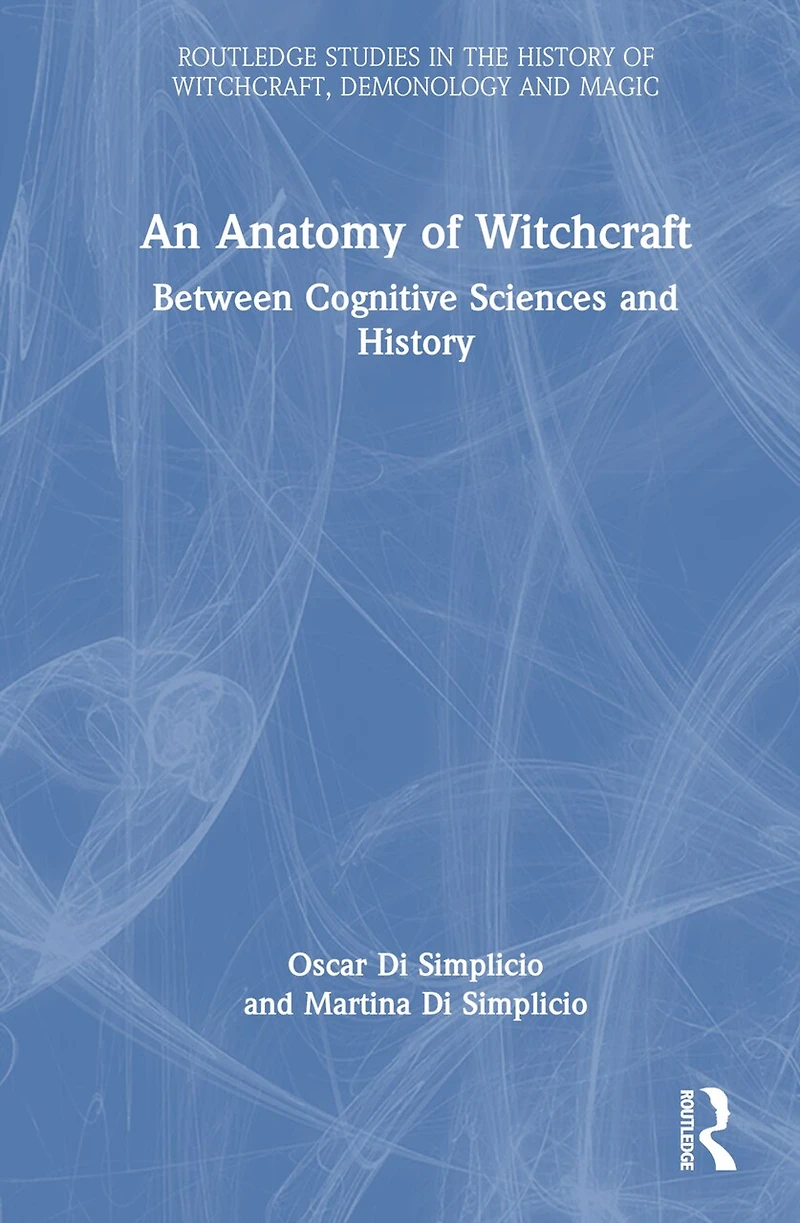
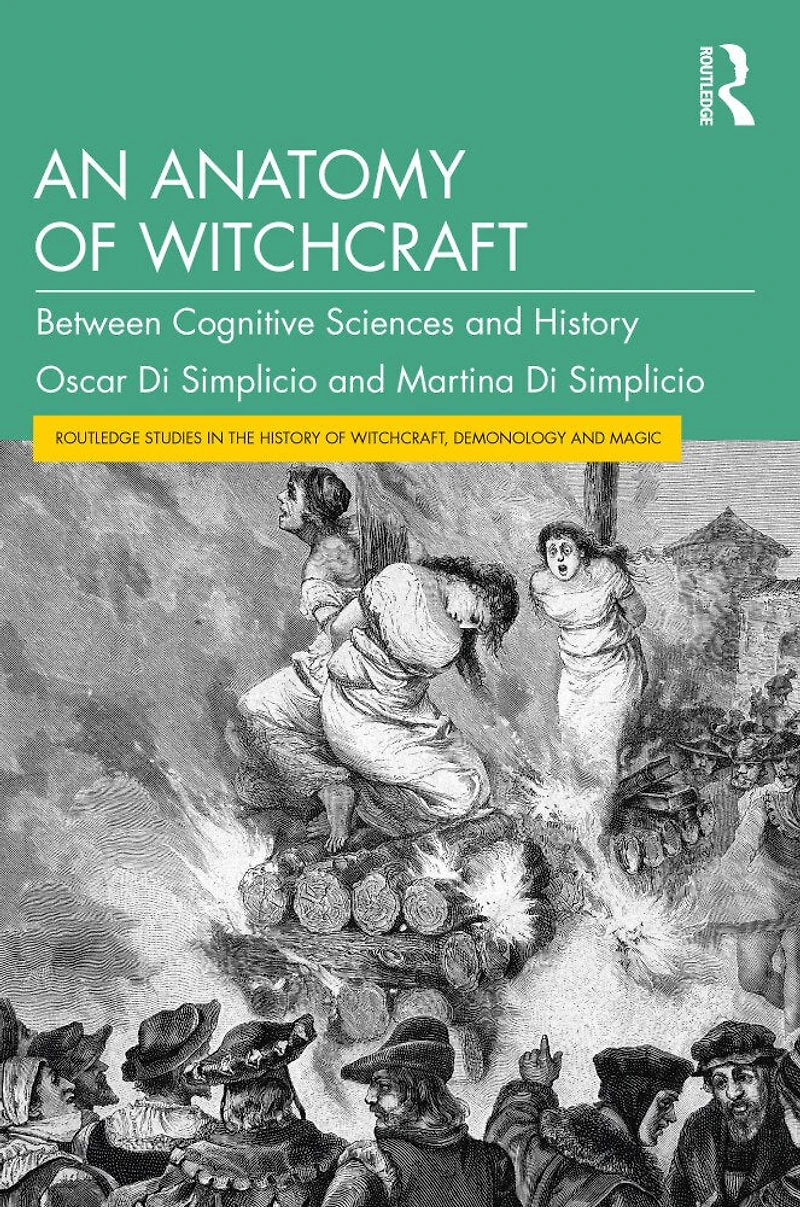
An Anatomy of Witchcraft: Between Cognitive Sciences and History in Ottawa, ON
Current price: $296.50

An Anatomy of Witchcraft: Between Cognitive Sciences and History in Ottawa, ON
Current price: $296.50
Loading Inventory...
Size: Hardcover
*Product information may vary - to confirm product availability, pricing, shipping and return information please contact Coles
Much has been written on witchcraft by historians, theologians, philosophers, and anthropologists, but nothing by scientists. This book aims to reappraise witchcraft by applying to it the advances in cognitive sciences. The book is divided into four parts. Part I ("Deep History") deals with human emotions and the drive to represent witches as evil female agents. Part II ("Historical Times") focuses on those rare state and church repressions of malefice, which, surprisingly, did not feature in Islamic lands. Modern urbanization dealt a blow to the rural civilizations where accusations of witchcraft were rife. Part III ("In the Laboratory") applies neuroscience to specific case studies to investigate the personification of misfortune, the millenary stereotype witch = woman, the reality of evil, and the phenomenon of treasure hunting. Part IV ("Millenials") wonders whether intentional malefic hatred in a closed chapter in the history of humanity. An Anatomy of Witchcraft is ideal reading for students and scholars. Given its interdisciplinary nature, the book will be of interest to scholars from many fields including evolutionary psychology, anthropology, women's history, and cognitive sciences.
Much has been written on witchcraft by historians, theologians, philosophers, and anthropologists, but nothing by scientists. This book aims to reappraise witchcraft by applying to it the advances in cognitive sciences. The book is divided into four parts. Part I ("Deep History") deals with human emotions and the drive to represent witches as evil female agents. Part II ("Historical Times") focuses on those rare state and church repressions of malefice, which, surprisingly, did not feature in Islamic lands. Modern urbanization dealt a blow to the rural civilizations where accusations of witchcraft were rife. Part III ("In the Laboratory") applies neuroscience to specific case studies to investigate the personification of misfortune, the millenary stereotype witch = woman, the reality of evil, and the phenomenon of treasure hunting. Part IV ("Millenials") wonders whether intentional malefic hatred in a closed chapter in the history of humanity. An Anatomy of Witchcraft is ideal reading for students and scholars. Given its interdisciplinary nature, the book will be of interest to scholars from many fields including evolutionary psychology, anthropology, women's history, and cognitive sciences.
You May Also Like










More About Coles at Bayshore Shopping Centre
Coles is renowned for its outstanding customer service and great selection of books. Along with the vast array of magazines, stationary, audio-books, children's literature, fiction, non-fiction and reference books, you can find accessories to make your reading experience more pleasurable. We can recommend the very best in reading today. We will help you search our titles for exactly what you need, and if we do not have it in stock, we will order it for you.
100 Bayshore Dr, Nepean, ON K2B 8C1, Canada
Find Coles at Bayshore Shopping Centre in Ottawa, ON
Visit Coles at Bayshore Shopping Centre in Ottawa, ON