

Give the Gift of Choice!
Too many options? Treat your friends and family to their favourite stores with a Bayshore Shopping Centre gift card, redeemable at participating retailers throughout the centre. Click below to purchase yours today!Purchase HereHome
An Archaeological Study of the Bayeux Tapestry: The Landscapes, Buildings and Places
Coles
Loading Inventory...
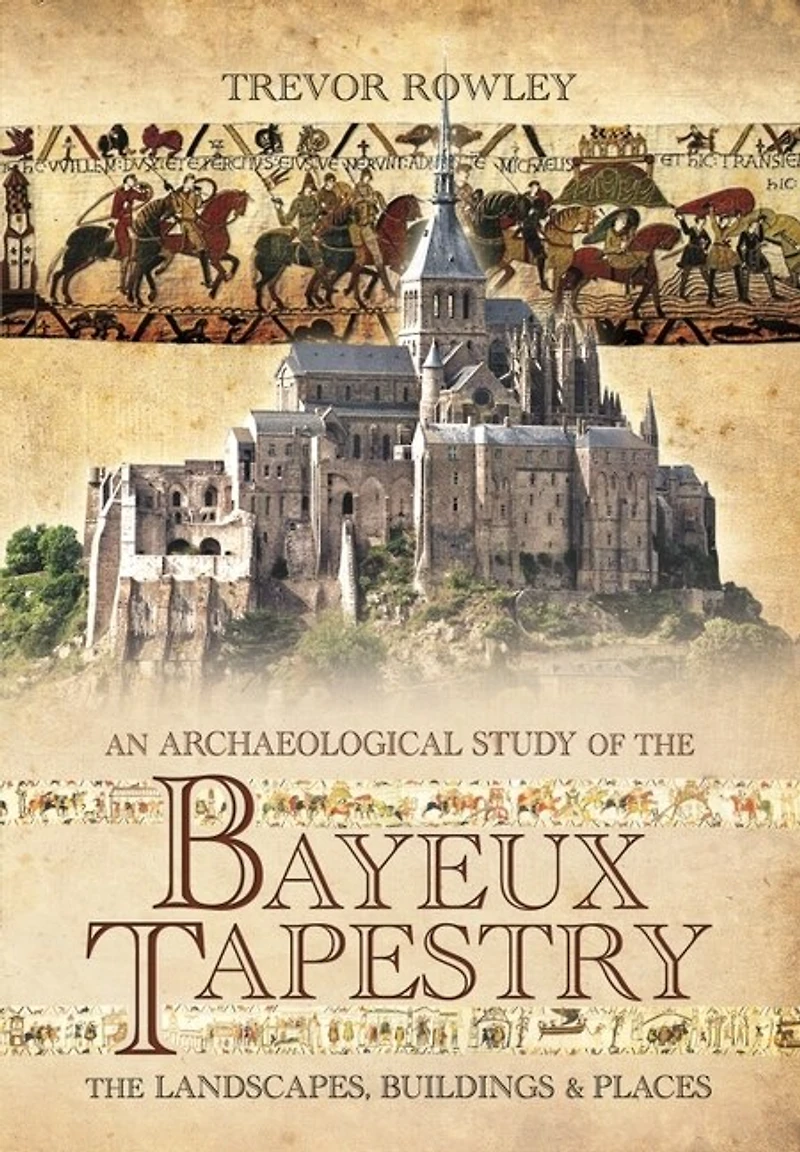
An Archaeological Study of the Bayeux Tapestry: The Landscapes, Buildings and Places in Ottawa, ON
Current price: $43.95

An Archaeological Study of the Bayeux Tapestry: The Landscapes, Buildings and Places in Ottawa, ON
Current price: $43.95
Loading Inventory...
Size: Paperback
*Product information may vary - to confirm product availability, pricing, shipping and return information please contact Coles
An Archaeological Study of the Bayeux Tapestry provides a unique re-examination of this famous piece of work through the historical geography and archaeology of the tapestry. Trevor Rowley is the first author to have analyzed the tapestry through the landscapes, buildings and structures shown, such as towns and castles, while comparing them to the landscapes, buildings, ruins and earthworks which can be seen today. By comparing illustrated extracts from the tapestry to historical and contemporary illustrations, maps and reconstructions Rowley is able to provide the reader with a unique visual setting against which they are able to place the events on the tapestry. This approach allows Rowley to challenge a number of generally accepted assumptions regarding the location of several scenes in the tapestry, most controversially suggesting that William may never have gone to Hastings at all. Finally, Rowley tackles the missing end of the tapestry, suggesting the places and events which would have been depicted on this portion of Williams journey to Westminster.
An Archaeological Study of the Bayeux Tapestry provides a unique re-examination of this famous piece of work through the historical geography and archaeology of the tapestry. Trevor Rowley is the first author to have analyzed the tapestry through the landscapes, buildings and structures shown, such as towns and castles, while comparing them to the landscapes, buildings, ruins and earthworks which can be seen today. By comparing illustrated extracts from the tapestry to historical and contemporary illustrations, maps and reconstructions Rowley is able to provide the reader with a unique visual setting against which they are able to place the events on the tapestry. This approach allows Rowley to challenge a number of generally accepted assumptions regarding the location of several scenes in the tapestry, most controversially suggesting that William may never have gone to Hastings at all. Finally, Rowley tackles the missing end of the tapestry, suggesting the places and events which would have been depicted on this portion of Williams journey to Westminster.
You May Also Like







More About Coles at Bayshore Shopping Centre
Coles is renowned for its outstanding customer service and great selection of books. Along with the vast array of magazines, stationary, audio-books, children's literature, fiction, non-fiction and reference books, you can find accessories to make your reading experience more pleasurable. We can recommend the very best in reading today. We will help you search our titles for exactly what you need, and if we do not have it in stock, we will order it for you.
100 Bayshore Dr, Nepean, ON K2B 8C1, Canada
Find Coles at Bayshore Shopping Centre in Ottawa, ON
Visit Coles at Bayshore Shopping Centre in Ottawa, ON