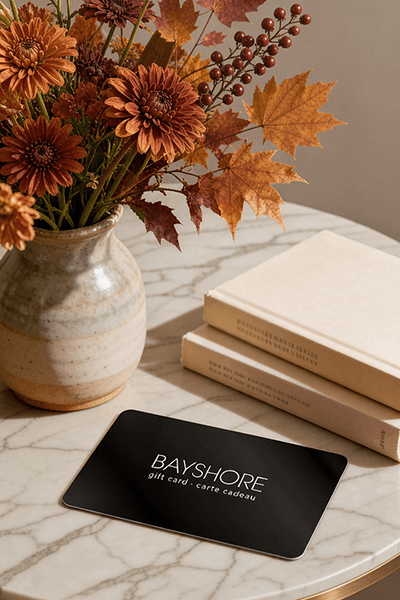
Too many options? Treat your friends and family to their favourite stores with a Bayshore Shopping Centre gift card, redeemable at participating retailers throughout the centre. Click below to purchase yours today!Purchase Here
Coles An Archaeology of Institutional Confinement: The Hyde Park Barracks, 1848-1886 at Bayshore Shopping Centre in Ottawa, ON
*Product information may vary - to confirm product availability, pricing, shipping and return information please contact Coles
The archaeological assemblage from the Hyde Park Barracks is one of the largest, most comprehensive and best preserved collections of artefacts from any 19th-century institution in the world. Concealed for up to 160 years in the cavities between floorboards and ceilings, the assemblage is a unique archaeological record of institutional confinement, especially of women.
The underfloor assemblage dates to the period 1848 to 1886, during which a female Immigration Depot and a Government Asylum for Infirm and Destitute Women occupied the second and third floors of the Barracks. Over the years the women discarded and swept beneath the floor thousands of clothing and textile fragments, tobacco pipes, religious items, sewing equipment, paper scraps and numerous other objects, many of which rarely occur in typical archaeological deposits. These items are presented in detail in this book, and provide unique insight into the private lives of young female migrants and elderly destitute women, most of whom will never be known from historical records.
The archaeological assemblage from the Hyde Park Barracks is one of the largest, most comprehensive and best preserved collections of artefacts from any 19th-century institution in the world. Concealed for up to 160 years in the cavities between floorboards and ceilings, the assemblage is a unique archaeological record of institutional confinement, especially of women.
The underfloor assemblage dates to the period 1848 to 1886, during which a female Immigration Depot and a Government Asylum for Infirm and Destitute Women occupied the second and third floors of the Barracks. Over the years the women discarded and swept beneath the floor thousands of clothing and textile fragments, tobacco pipes, religious items, sewing equipment, paper scraps and numerous other objects, many of which rarely occur in typical archaeological deposits. These items are presented in detail in this book, and provide unique insight into the private lives of young female migrants and elderly destitute women, most of whom will never be known from historical records.
Coles is renowned for its outstanding customer service and great selection of books. Along with the vast array of magazines, stationary, audio-books, children's literature, fiction, non-fiction and reference books, you can find accessories to make your reading experience more pleasurable. We can recommend the very best in reading today. We will help you search our titles for exactly what you need, and if we do not have it in stock, we will order it for you.