

Give the Gift of Choice!
Too many options? Treat your friends and family to their favourite stores with a Bayshore Shopping Centre gift card, redeemable at participating retailers throughout the centre. Click below to purchase yours today!Purchase HereHome
An Eastern Slavic Brotherhood
Coles
Loading Inventory...
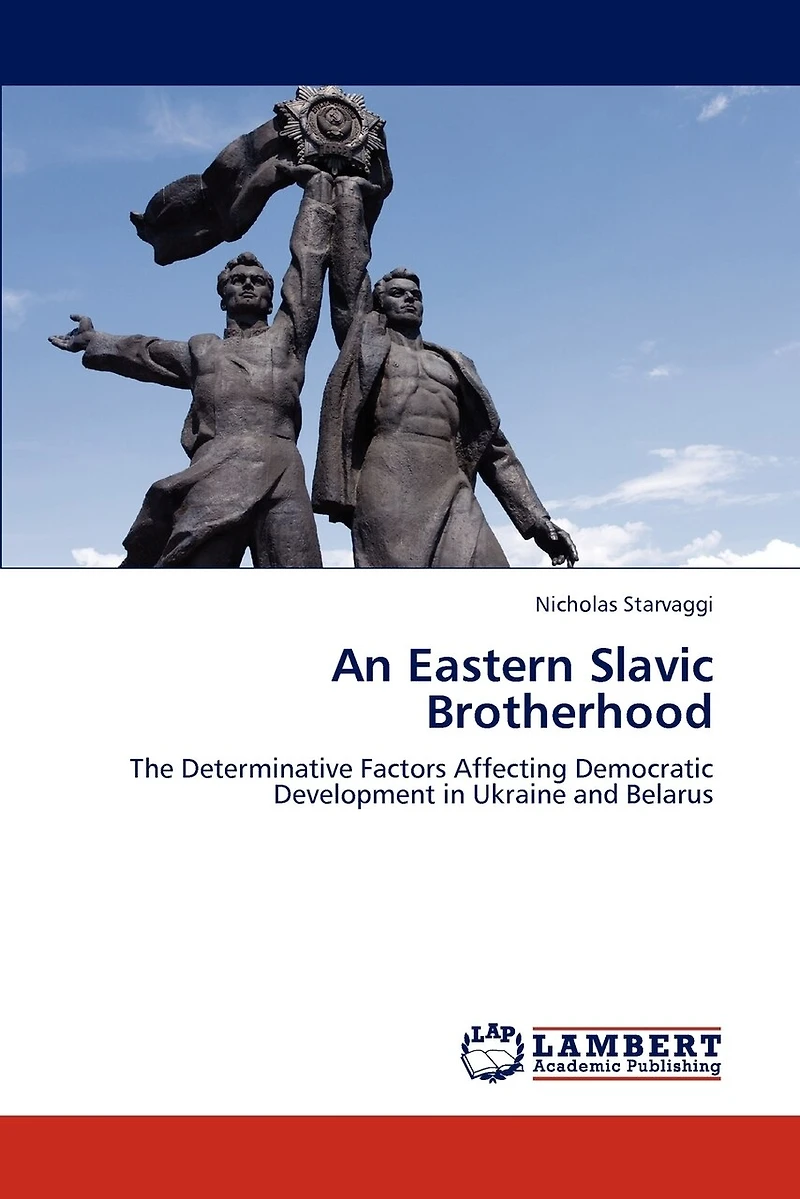
An Eastern Slavic Brotherhood in Ottawa, ON
By None
Current price: $65.00

By None
An Eastern Slavic Brotherhood in Ottawa, ON
Current price: $65.00
Loading Inventory...
Size: Paperback
*Product information may vary - to confirm product availability, pricing, shipping and return information please contact Coles
Following the collapse of the Soviet Union, fifteen successor states emerged as independent nations that began transitions toward democratic governance and a market economy. Three of these countries have since experienced "color revolutions," which have been characterized by initial public demonstrations against the old order and a subsequent revision of the rules of the political game. In one of these countries, Ukraine, the Orange Revolution has brought about renewed hope in democracy, yet important obstacles remain. Belarus, Ukraine's northern neighbor, shares many structural similarities yet has not experienced a "color revolution." Anti-governmental demonstrations in Minsk in 2006 were met with brutal force that spoiled the opposition's hopes of reenacting a similar political outcome to that which Ukraine's Orange Coalition was able to achieve in 2004. It is found that the significant factors that prevented a "color revolution" in Belarus are a cohesive national identity that aligns with an authoritarian value system, a lack of engagement with U.S. and European institutions, and the Belarusian regime's continued economic and political support from Russian leaders.
Following the collapse of the Soviet Union, fifteen successor states emerged as independent nations that began transitions toward democratic governance and a market economy. Three of these countries have since experienced "color revolutions," which have been characterized by initial public demonstrations against the old order and a subsequent revision of the rules of the political game. In one of these countries, Ukraine, the Orange Revolution has brought about renewed hope in democracy, yet important obstacles remain. Belarus, Ukraine's northern neighbor, shares many structural similarities yet has not experienced a "color revolution." Anti-governmental demonstrations in Minsk in 2006 were met with brutal force that spoiled the opposition's hopes of reenacting a similar political outcome to that which Ukraine's Orange Coalition was able to achieve in 2004. It is found that the significant factors that prevented a "color revolution" in Belarus are a cohesive national identity that aligns with an authoritarian value system, a lack of engagement with U.S. and European institutions, and the Belarusian regime's continued economic and political support from Russian leaders.
You May Also Like














More About Coles at Bayshore Shopping Centre
Coles is renowned for its outstanding customer service and great selection of books. Along with the vast array of magazines, stationary, audio-books, children's literature, fiction, non-fiction and reference books, you can find accessories to make your reading experience more pleasurable. We can recommend the very best in reading today. We will help you search our titles for exactly what you need, and if we do not have it in stock, we will order it for you.
100 Bayshore Dr, Nepean, ON K2B 8C1, Canada
Find Coles at Bayshore Shopping Centre in Ottawa, ON
Visit Coles at Bayshore Shopping Centre in Ottawa, ON