

Give the Gift of Choice!
Too many options? Treat your friends and family to their favourite stores with a Bayshore Shopping Centre gift card, redeemable at participating retailers throughout the centre. Click below to purchase yours today!Purchase HereHome
An Ethos of Transdisciplinarity: Conversations with Toyin Falola
Coles
Loading Inventory...
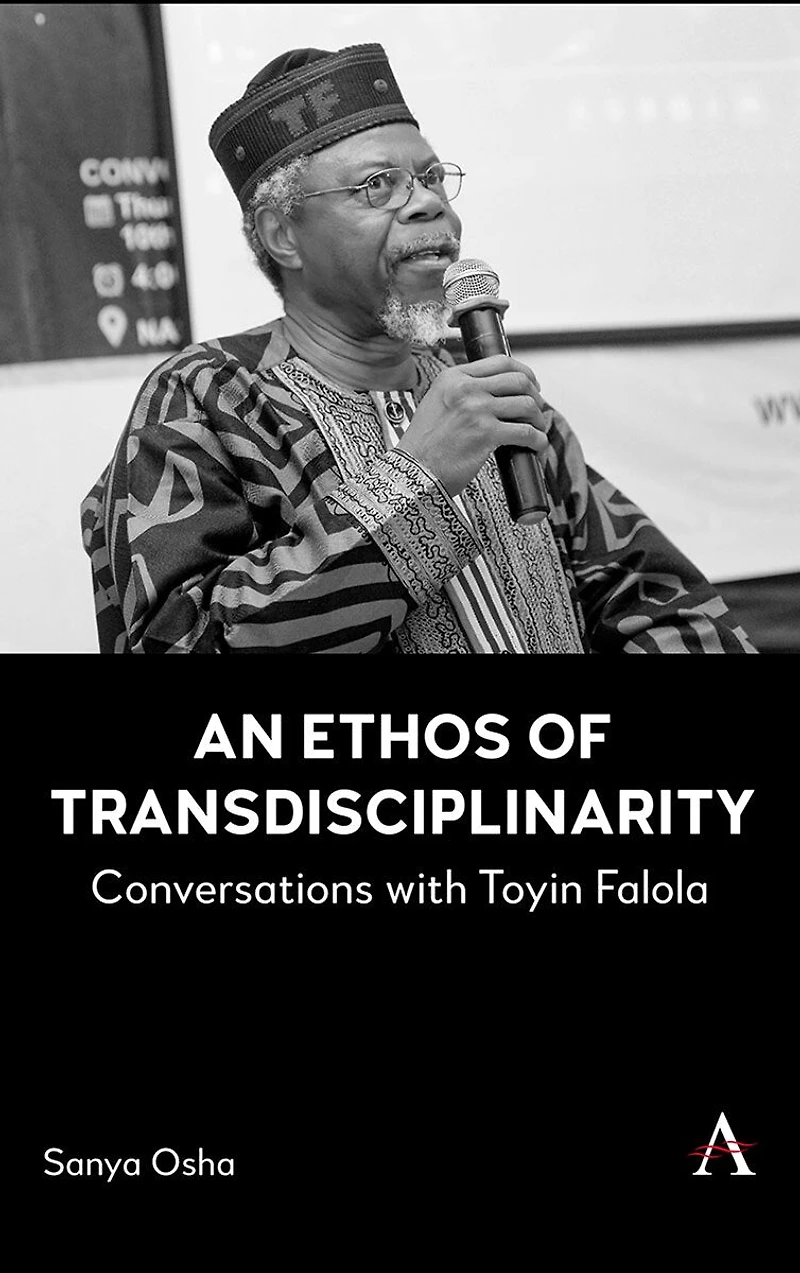
An Ethos of Transdisciplinarity: Conversations with Toyin Falola in Ottawa, ON
Current price: $142.89

An Ethos of Transdisciplinarity: Conversations with Toyin Falola in Ottawa, ON
Current price: $142.89
Loading Inventory...
Size: Hardcover
*Product information may vary - to confirm product availability, pricing, shipping and return information please contact Coles
Toyin Falola’s astounding intellectual production must be one of the mysteries in the intellectual world. It has transcended the confined world of historical research into broader horizons that include the role of the public intellectual. The present study would undertake a rigorous analysis of the origins, continuities and discontinuities of this transformation. This means we have to recast the debates regarding who is a public intellectual from a multiplicity of discursive situations and historical and cultural contexts. We have to employ methodological parallels from North Atlantic intellectual traditions. How did the role of the public intellectual emerge in the first place in world intellectual history? Addressing this question would enrich this research endeavour immensely.
In interrogating comparative discursive formations, we shall re-evaluate the roles, functions and achievements of continental intellectuals such as Betrand Russell, Jean-Paul Sartre, Andre Malraux, Albert Camus, Michel Foucault, Edward Said, Wole Soyinka and Pierre Bourdieu. Again, this discursive element will give this study a global appeal and range.
Toyin Falola’s astounding intellectual production must be one of the mysteries in the intellectual world. It has transcended the confined world of historical research into broader horizons that include the role of the public intellectual. The present study would undertake a rigorous analysis of the origins, continuities and discontinuities of this transformation. This means we have to recast the debates regarding who is a public intellectual from a multiplicity of discursive situations and historical and cultural contexts. We have to employ methodological parallels from North Atlantic intellectual traditions. How did the role of the public intellectual emerge in the first place in world intellectual history? Addressing this question would enrich this research endeavour immensely.
In interrogating comparative discursive formations, we shall re-evaluate the roles, functions and achievements of continental intellectuals such as Betrand Russell, Jean-Paul Sartre, Andre Malraux, Albert Camus, Michel Foucault, Edward Said, Wole Soyinka and Pierre Bourdieu. Again, this discursive element will give this study a global appeal and range.














More About Coles at Bayshore Shopping Centre
Coles is renowned for its outstanding customer service and great selection of books. Along with the vast array of magazines, stationary, audio-books, children's literature, fiction, non-fiction and reference books, you can find accessories to make your reading experience more pleasurable. We can recommend the very best in reading today. We will help you search our titles for exactly what you need, and if we do not have it in stock, we will order it for you.
100 Bayshore Dr, Nepean, ON K2B 8C1, Canada
Find Coles at Bayshore Shopping Centre in Ottawa, ON
Visit Coles at Bayshore Shopping Centre in Ottawa, ON