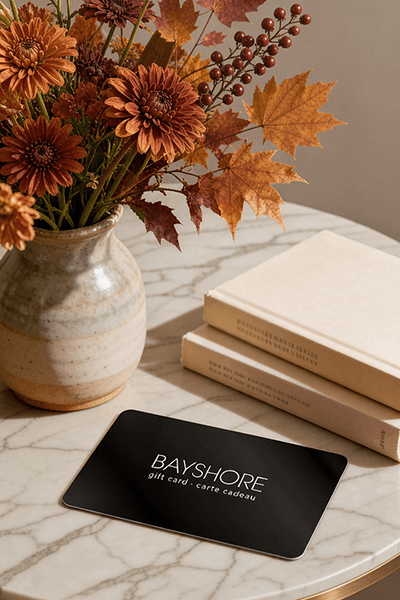
Too many options? Treat your friends and family to their favourite stores with a Bayshore Shopping Centre gift card, redeemable at participating retailers throughout the centre. Click below to purchase yours today!Purchase Here
Coles An Examination of President Edwards' Inquiry into the Freedom of the Will at Bayshore Shopping Centre in Ottawa, ON
*Product information may vary - to confirm product availability, pricing, shipping and return information please contact Coles
In "An Examination of President Edwards' Inquiry into the Freedom of the Will," Albert Taylor Bledsoe rigorously critiques and expands upon Jonathan Edwards' complex exploration of free will and determinism. Bledsoe employs a methodical and analytical literary style that embodies the philosophical rigor characteristic of 19th-century American thought. His work engages deeply with theological and moral questions, navigating the intricate interplay between human autonomy and divine sovereignty. By situating Edwards' arguments within the broader context of Enlightenment philosophy, Bledsoe elucidates the tensions that arise in reconciling human choice with predestined divine providence. Albert Taylor Bledsoe, a prominent Southern intellectual and an influential figure in the 19th-century educational landscape, devoted much of his life to secular and theological matters. His background in both mathematics and philosophy likely informed his meticulous approach to Edwards' work. Bledsoe's own experiences with the socio-political currents of his time, particularly regarding issues of liberty and morality, compelled him to interrogate the foundational questions regarding human agency. This book is an essential read for scholars and students of philosophy, theology, and American history. Bledsoe's critical insights not only illuminate Edwards' original inquiry but also provoke ongoing discussions about free will that remain relevant in contemporary debates. Readers seeking to grasp the historical nuances of American thought will find this examination both enlightening and intellectually stimulating.
In "An Examination of President Edwards' Inquiry into the Freedom of the Will," Albert Taylor Bledsoe rigorously critiques and expands upon Jonathan Edwards' complex exploration of free will and determinism. Bledsoe employs a methodical and analytical literary style that embodies the philosophical rigor characteristic of 19th-century American thought. His work engages deeply with theological and moral questions, navigating the intricate interplay between human autonomy and divine sovereignty. By situating Edwards' arguments within the broader context of Enlightenment philosophy, Bledsoe elucidates the tensions that arise in reconciling human choice with predestined divine providence. Albert Taylor Bledsoe, a prominent Southern intellectual and an influential figure in the 19th-century educational landscape, devoted much of his life to secular and theological matters. His background in both mathematics and philosophy likely informed his meticulous approach to Edwards' work. Bledsoe's own experiences with the socio-political currents of his time, particularly regarding issues of liberty and morality, compelled him to interrogate the foundational questions regarding human agency. This book is an essential read for scholars and students of philosophy, theology, and American history. Bledsoe's critical insights not only illuminate Edwards' original inquiry but also provoke ongoing discussions about free will that remain relevant in contemporary debates. Readers seeking to grasp the historical nuances of American thought will find this examination both enlightening and intellectually stimulating.
Coles is renowned for its outstanding customer service and great selection of books. Along with the vast array of magazines, stationary, audio-books, children's literature, fiction, non-fiction and reference books, you can find accessories to make your reading experience more pleasurable. We can recommend the very best in reading today. We will help you search our titles for exactly what you need, and if we do not have it in stock, we will order it for you.