

Give the Gift of Choice!
Too many options? Treat your friends and family to their favourite stores with a Bayshore Shopping Centre gift card, redeemable at participating retailers throughout the centre. Click below to purchase yours today!Purchase HereHome
An Indirect Approach to Warfare: Attacking an Enemy's Moral Forces
Coles
Loading Inventory...
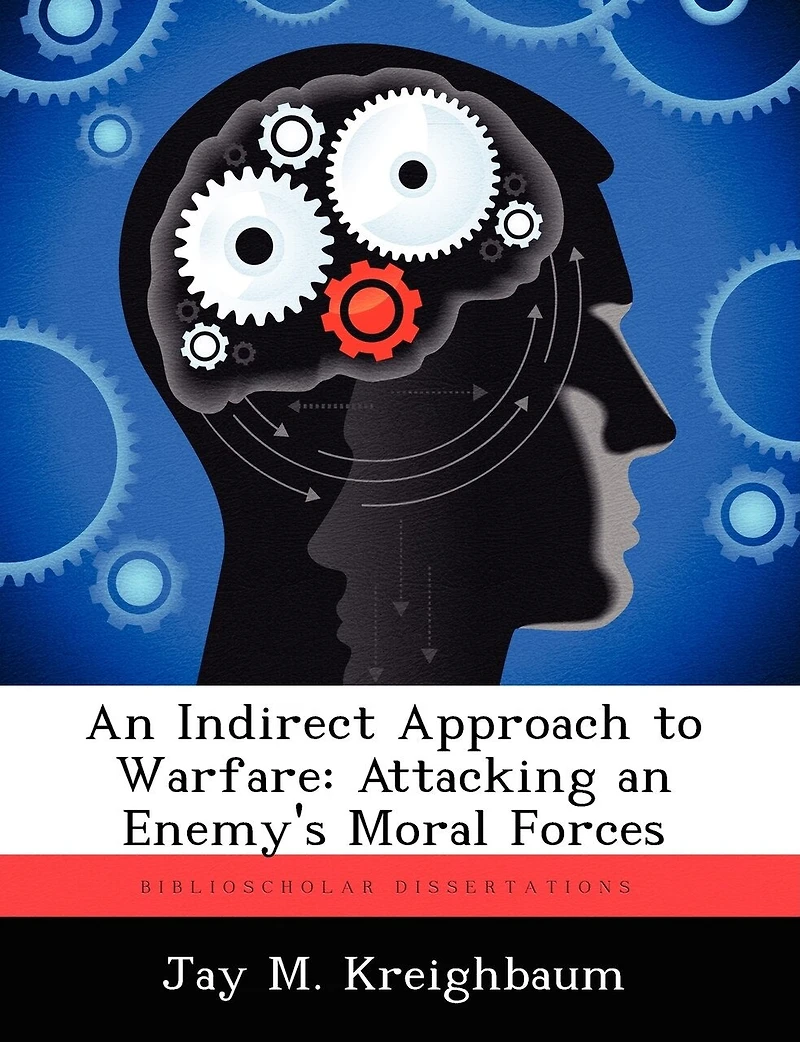
An Indirect Approach to Warfare: Attacking an Enemy's Moral Forces in Ottawa, ON
Current price: $59.00

An Indirect Approach to Warfare: Attacking an Enemy's Moral Forces in Ottawa, ON
Current price: $59.00
Loading Inventory...
Size: Paperback
*Product information may vary - to confirm product availability, pricing, shipping and return information please contact Coles
In war, if subduing an enemy's moral force offers three times the potential leverage as defeating his physical forces, then that greater leverage needs to be pursued. As a minimum both forces need to be pursued in equal measure. Typically we describe an opponent's moral force as: resolve, will, or will to resist; but what are the best methods, potential approaches, and means for attacking the will of an opponent? The methodology of this paper combines literature review and case study using both inductive and deductive reasoning in the development of a new concept. This concept combines psychological effects and force application. The research develops along the lines that there are essentially two great forces in warfare-the physical and the moral. These two forces suggest two distinct approaches to warfare at the strategic level. One a "direct" approach, concentrating on the opponent's physical forces, and the other an "indirect" approach, focusing on moral forces. Both of these approaches have been tried in history, with a noted lack of emphasis on an indirect approach. This paper will attempt to give new emphasis to the indirect approach by conveying a better appreciation for the application of psychological effects as they pertain within a context of strategic air targets. This paper suggests something new, "destructive PSYOPs" as a potential means for attacking an enemy's moral forces.
In war, if subduing an enemy's moral force offers three times the potential leverage as defeating his physical forces, then that greater leverage needs to be pursued. As a minimum both forces need to be pursued in equal measure. Typically we describe an opponent's moral force as: resolve, will, or will to resist; but what are the best methods, potential approaches, and means for attacking the will of an opponent? The methodology of this paper combines literature review and case study using both inductive and deductive reasoning in the development of a new concept. This concept combines psychological effects and force application. The research develops along the lines that there are essentially two great forces in warfare-the physical and the moral. These two forces suggest two distinct approaches to warfare at the strategic level. One a "direct" approach, concentrating on the opponent's physical forces, and the other an "indirect" approach, focusing on moral forces. Both of these approaches have been tried in history, with a noted lack of emphasis on an indirect approach. This paper will attempt to give new emphasis to the indirect approach by conveying a better appreciation for the application of psychological effects as they pertain within a context of strategic air targets. This paper suggests something new, "destructive PSYOPs" as a potential means for attacking an enemy's moral forces.
You May Also Like















More About Coles at Bayshore Shopping Centre
Coles is renowned for its outstanding customer service and great selection of books. Along with the vast array of magazines, stationary, audio-books, children's literature, fiction, non-fiction and reference books, you can find accessories to make your reading experience more pleasurable. We can recommend the very best in reading today. We will help you search our titles for exactly what you need, and if we do not have it in stock, we will order it for you.
100 Bayshore Dr, Nepean, ON K2B 8C1, Canada
Find Coles at Bayshore Shopping Centre in Ottawa, ON
Visit Coles at Bayshore Shopping Centre in Ottawa, ON