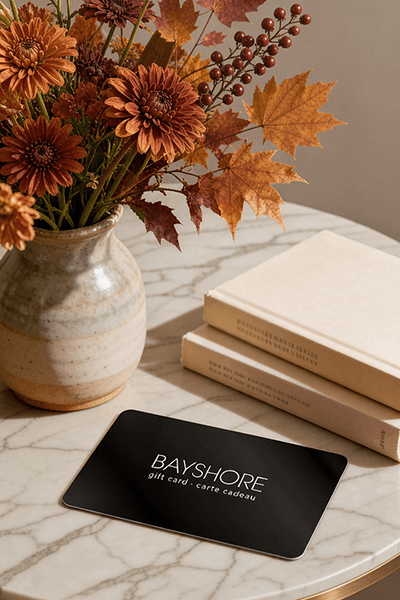
Too many options? Treat your friends and family to their favourite stores with a Bayshore Shopping Centre gift card, redeemable at participating retailers throughout the centre. Click below to purchase yours today!Purchase Here
Coles An Introduction to Granular Flow at Bayshore Shopping Centre in Ottawa, ON
*Product information may vary - to confirm product availability, pricing, shipping and return information please contact Coles
The flow of granular materials such as sand, snow, coal, and catalyst particles is common occurrence in natural and industrial settings. The mechanics of these materials is not well understood. They are important since a large fraction of the materials handled and-processed in the chemical, metallurgical, pharmaceutical, and food processing industries are granular in nature. This book describes the theories for granular flow based mainly on continuum models although alternative discrete models are also discussed briefly. The level is appropriate for advanced undergraduates or beginning graduate students. The goal is to inform the reader about observed phenomena, some available models, and their shortcomings and to visit some issues that remain unresolved. There is a selection of problems at the end of the chapters to encourage exploration, and extensive references are given.
The flow of granular materials such as sand, snow, coal, and catalyst particles is common occurrence in natural and industrial settings. The mechanics of these materials is not well understood. They are important since a large fraction of the materials handled and-processed in the chemical, metallurgical, pharmaceutical, and food processing industries are granular in nature. This book describes the theories for granular flow based mainly on continuum models although alternative discrete models are also discussed briefly. The level is appropriate for advanced undergraduates or beginning graduate students. The goal is to inform the reader about observed phenomena, some available models, and their shortcomings and to visit some issues that remain unresolved. There is a selection of problems at the end of the chapters to encourage exploration, and extensive references are given.
Coles is renowned for its outstanding customer service and great selection of books. Along with the vast array of magazines, stationary, audio-books, children's literature, fiction, non-fiction and reference books, you can find accessories to make your reading experience more pleasurable. We can recommend the very best in reading today. We will help you search our titles for exactly what you need, and if we do not have it in stock, we will order it for you.