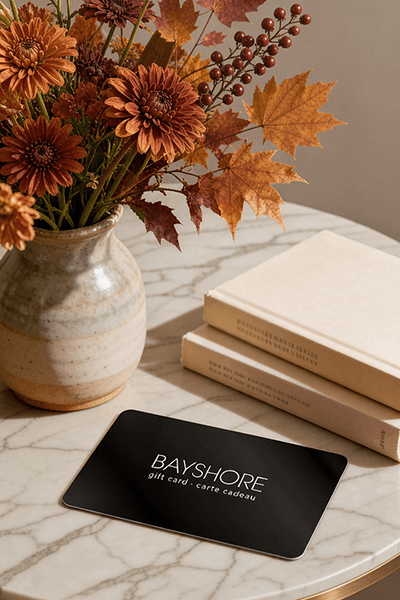
Too many options? Treat your friends and family to their favourite stores with a Bayshore Shopping Centre gift card, redeemable at participating retailers throughout the centre. Click below to purchase yours today!Purchase Here
Coles An Uneasy Hegemony: Politics of State-building and Struggles for Justice in Sri Lanka at Bayshore Shopping Centre in Ottawa, ON
*Product information may vary - to confirm product availability, pricing, shipping and return information please contact Coles
Sri Lanka has been regarded as a model democracy among former British colonies. It was lauded for its impressive achievement in terms of human development indicators. However, Sri Lanka's modern history can also be read as a tragic story of inter-ethnic inequalities and tensions, resulting in years of violent conflicts. Two long spells of anti-state youth uprisings were followed by nearly three decades of civil war, and most recently a renewed upsurge of events are examples of the on-going uneasy project of state-building. This book discusses that state-building in Sri Lanka is centred on the struggle for hegemony amidst a kind of politics that rejects individual and group equality, opposes the social integration of marginalised groups and appeals to narrow, fearful and xenophobic tendencies among the majority population and minorities alike. It answers the pressing questions of - How do the dynamics of intra-Sinhalese class relations and Sinhalese politics influence the trajectories of post-colonial state-building? What tensions emerge over time, between Sinhalese hegemony-building and wider state-building? How did these tensions manifest in majority and minority relationships?
Sri Lanka has been regarded as a model democracy among former British colonies. It was lauded for its impressive achievement in terms of human development indicators. However, Sri Lanka's modern history can also be read as a tragic story of inter-ethnic inequalities and tensions, resulting in years of violent conflicts. Two long spells of anti-state youth uprisings were followed by nearly three decades of civil war, and most recently a renewed upsurge of events are examples of the on-going uneasy project of state-building. This book discusses that state-building in Sri Lanka is centred on the struggle for hegemony amidst a kind of politics that rejects individual and group equality, opposes the social integration of marginalised groups and appeals to narrow, fearful and xenophobic tendencies among the majority population and minorities alike. It answers the pressing questions of - How do the dynamics of intra-Sinhalese class relations and Sinhalese politics influence the trajectories of post-colonial state-building? What tensions emerge over time, between Sinhalese hegemony-building and wider state-building? How did these tensions manifest in majority and minority relationships?
Coles is renowned for its outstanding customer service and great selection of books. Along with the vast array of magazines, stationary, audio-books, children's literature, fiction, non-fiction and reference books, you can find accessories to make your reading experience more pleasurable. We can recommend the very best in reading today. We will help you search our titles for exactly what you need, and if we do not have it in stock, we will order it for you.