

Give the Gift of Choice!
Too many options? Treat your friends and family to their favourite stores with a Bayshore Shopping Centre gift card, redeemable at participating retailers throughout the centre. Click below to purchase yours today!Purchase HereHome
Analyzing Non-Textual Content Elements to Detect Academic Plagiarism
Coles
Loading Inventory...
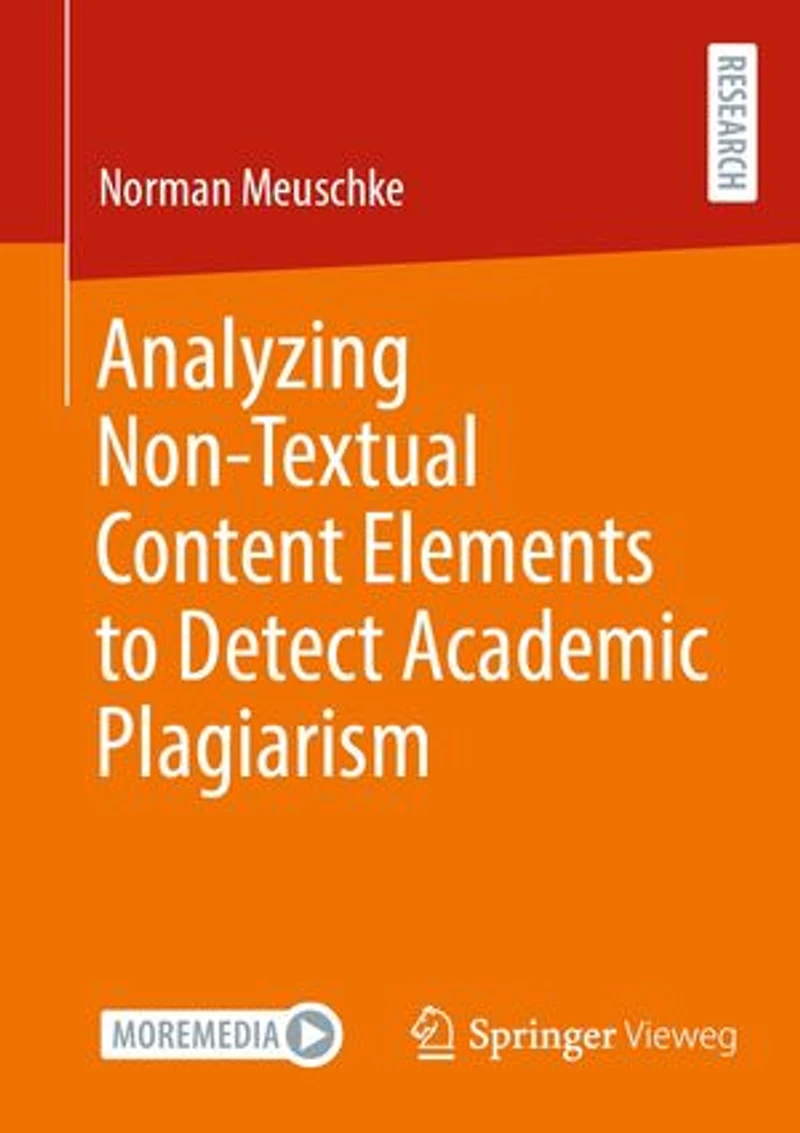
Analyzing Non-Textual Content Elements to Detect Academic Plagiarism in Ottawa, ON
Current price: $128.99
Original price: $161.25

Analyzing Non-Textual Content Elements to Detect Academic Plagiarism in Ottawa, ON
Current price: $128.99
Original price: $161.25
Loading Inventory...
Size: Kobo eBook
*Product information may vary - to confirm product availability, pricing, shipping and return information please contact Coles
Identifying plagiarism is a pressing problem for research institutions, publishers, and funding bodies. Current detection methods focus on textual analysis and find copied, moderately reworded, or translated content. However, detecting more subtle forms of plagiarism, including strong paraphrasing, sense-for-sense translations, or the reuse of non-textual content and ideas, remains a challenge. This book presents a novel approach to address this problem-analyzing non-textual elements in academic documents, such as citations, images, and mathematical content. The proposed detection techniques are validated in five evaluations using confirmed plagiarism cases and exploratory searches for new instances. The results show that non-textual elements contain much semantic information, are language-independent, and resilient to typical tactics for concealing plagiarism. Incorporating non-textual content analysis complements text-based detection approaches and increases the detection effectiveness, particularly for disguised forms of plagiarism. The book introduces the first integrated plagiarism detection system that combines citation, image, math, and text similarity analysis. Its user interface features visual aids that significantly reduce the time and effort users must invest in examining content similarity.
Identifying plagiarism is a pressing problem for research institutions, publishers, and funding bodies. Current detection methods focus on textual analysis and find copied, moderately reworded, or translated content. However, detecting more subtle forms of plagiarism, including strong paraphrasing, sense-for-sense translations, or the reuse of non-textual content and ideas, remains a challenge. This book presents a novel approach to address this problem-analyzing non-textual elements in academic documents, such as citations, images, and mathematical content. The proposed detection techniques are validated in five evaluations using confirmed plagiarism cases and exploratory searches for new instances. The results show that non-textual elements contain much semantic information, are language-independent, and resilient to typical tactics for concealing plagiarism. Incorporating non-textual content analysis complements text-based detection approaches and increases the detection effectiveness, particularly for disguised forms of plagiarism. The book introduces the first integrated plagiarism detection system that combines citation, image, math, and text similarity analysis. Its user interface features visual aids that significantly reduce the time and effort users must invest in examining content similarity.
You May Also Like








More About Coles at Bayshore Shopping Centre
Coles is renowned for its outstanding customer service and great selection of books. Along with the vast array of magazines, stationary, audio-books, children's literature, fiction, non-fiction and reference books, you can find accessories to make your reading experience more pleasurable. We can recommend the very best in reading today. We will help you search our titles for exactly what you need, and if we do not have it in stock, we will order it for you.
100 Bayshore Dr, Nepean, ON K2B 8C1, Canada
Find Coles at Bayshore Shopping Centre in Ottawa, ON
Visit Coles at Bayshore Shopping Centre in Ottawa, ON