

Give the Gift of Choice!
Too many options? Treat your friends and family to their favourite stores with a Bayshore Shopping Centre gift card, redeemable at participating retailers throughout the centre. Click below to purchase yours today!Purchase HereHome
Anatomophilia: The Liberation of the Body
Coles
Loading Inventory...
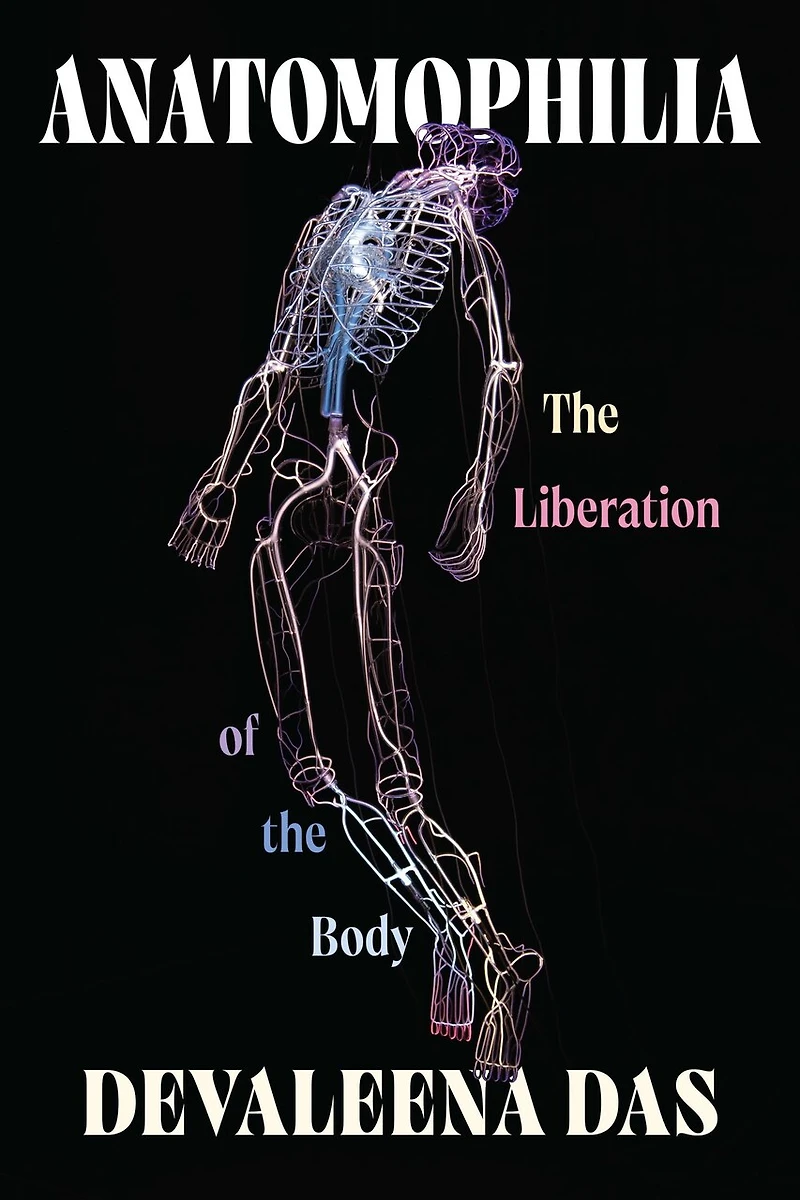
Anatomophilia: The Liberation of the Body in Ottawa, ON
Current price: $175.95

Anatomophilia: The Liberation of the Body in Ottawa, ON
Current price: $175.95
Loading Inventory...
Size: Hardcover
*Product information may vary - to confirm product availability, pricing, shipping and return information please contact Coles
Drawing from South Asian, Indigenous, feminist, and queer philosophies of Kālī’s body, at once beautiful and abominable, wounded and regenerative, violated and resistant,
develops the theory of anatomophilia as a radical love and reverence for diverse anatomies. Moving across medical education and clinical encounters, embodied histories of migration, dance and performance, protest in the streets, visual art, and everyday bodily rituals, Devaleena Das argues that Global South bodies do not merely illustrate theory; they think, resist, and generate knowledge through touch, affect, grief, and resilience. Challenging disembodied and technocratic models of justice and care, she offers an ethically demanding framework for teaching, learning, and practicing medicine and care differently. Essential reading for scholars in health humanities and social sciences, clinicians, and students of feminist, queer, and justice studies,
speaks to urgent questions about embodiment, care, and what it means to live and love through the body.
Drawing from South Asian, Indigenous, feminist, and queer philosophies of Kālī’s body, at once beautiful and abominable, wounded and regenerative, violated and resistant,
develops the theory of anatomophilia as a radical love and reverence for diverse anatomies. Moving across medical education and clinical encounters, embodied histories of migration, dance and performance, protest in the streets, visual art, and everyday bodily rituals, Devaleena Das argues that Global South bodies do not merely illustrate theory; they think, resist, and generate knowledge through touch, affect, grief, and resilience. Challenging disembodied and technocratic models of justice and care, she offers an ethically demanding framework for teaching, learning, and practicing medicine and care differently. Essential reading for scholars in health humanities and social sciences, clinicians, and students of feminist, queer, and justice studies,
speaks to urgent questions about embodiment, care, and what it means to live and love through the body.
You May Also Like
















More About Coles at Bayshore Shopping Centre
Coles is renowned for its outstanding customer service and great selection of books. Along with the vast array of magazines, stationary, audio-books, children's literature, fiction, non-fiction and reference books, you can find accessories to make your reading experience more pleasurable. We can recommend the very best in reading today. We will help you search our titles for exactly what you need, and if we do not have it in stock, we will order it for you.
100 Bayshore Dr, Nepean, ON K2B 8C1, Canada
Find Coles at Bayshore Shopping Centre in Ottawa, ON
Visit Coles at Bayshore Shopping Centre in Ottawa, ON