

Give the Gift of Choice!
Too many options? Treat your friends and family to their favourite stores with a Bayshore Shopping Centre gift card, redeemable at participating retailers throughout the centre. Click below to purchase yours today!Purchase HereHome
Ancient South Arabia: From the Queen of Sheba to the Advent of Islam
Coles
Loading Inventory...
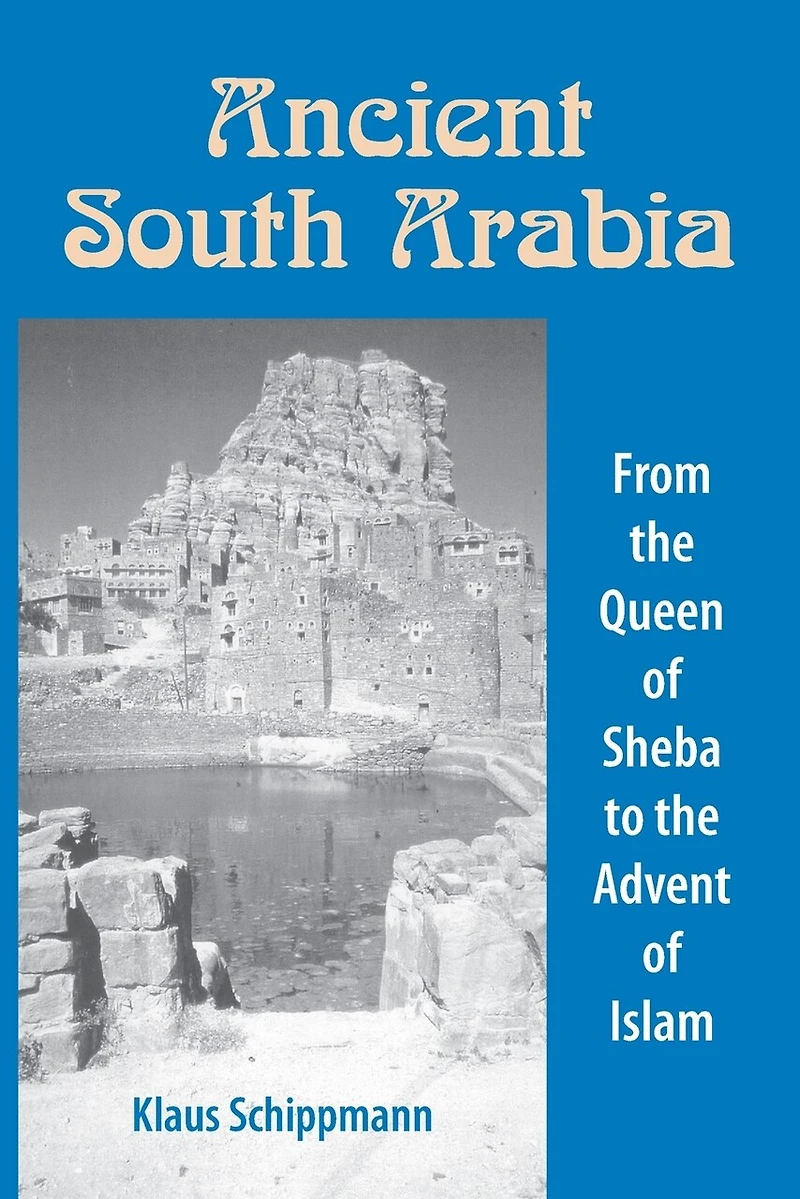
Ancient South Arabia: From the Queen of Sheba to the Advent of Islam in Ottawa, ON
Current price: $32.50

Ancient South Arabia: From the Queen of Sheba to the Advent of Islam in Ottawa, ON
Current price: $32.50
Loading Inventory...
Size: Paperback
*Product information may vary - to confirm product availability, pricing, shipping and return information please contact Coles
At the crossroads between Africa, Asia, and Europe, the South Arabian kingdoms were major commercial, military, and cultural players in world history. They controlled the sea route from Rome and Egypt to Africa and Asia and had a monopoly on the production and trade of frankincense and myrrh; religious ceremonies in the major ancient empires such as Greece, Rome, Byzantium, and Persia depended on the availability of myrrh from South Arabia. Their art and architecture, and especially their irrigation system, featuring a gigantic dam high in the mountains, gave witness to a fascinating civilization, the mythic and historical dimensions of which have captured our collective imaginations. Even their eventual decline was dramatic. When the famous dam was damaged in the 5th century, twenty thousand workers were employed to repair it. The Ethiopian Empire of Axum, originally a colony of Saba (Sheba), adopted Christianity, crossed the Red Sea, and fought bitter wars against the powerful Jewish kings of South Arabia. Exhausted from wars, South Arabia was ready to be taken by the new force of Islam.
At the crossroads between Africa, Asia, and Europe, the South Arabian kingdoms were major commercial, military, and cultural players in world history. They controlled the sea route from Rome and Egypt to Africa and Asia and had a monopoly on the production and trade of frankincense and myrrh; religious ceremonies in the major ancient empires such as Greece, Rome, Byzantium, and Persia depended on the availability of myrrh from South Arabia. Their art and architecture, and especially their irrigation system, featuring a gigantic dam high in the mountains, gave witness to a fascinating civilization, the mythic and historical dimensions of which have captured our collective imaginations. Even their eventual decline was dramatic. When the famous dam was damaged in the 5th century, twenty thousand workers were employed to repair it. The Ethiopian Empire of Axum, originally a colony of Saba (Sheba), adopted Christianity, crossed the Red Sea, and fought bitter wars against the powerful Jewish kings of South Arabia. Exhausted from wars, South Arabia was ready to be taken by the new force of Islam.
You May Also Like







More About Coles at Bayshore Shopping Centre
Coles is renowned for its outstanding customer service and great selection of books. Along with the vast array of magazines, stationary, audio-books, children's literature, fiction, non-fiction and reference books, you can find accessories to make your reading experience more pleasurable. We can recommend the very best in reading today. We will help you search our titles for exactly what you need, and if we do not have it in stock, we will order it for you.
100 Bayshore Dr, Nepean, ON K2B 8C1, Canada
Find Coles at Bayshore Shopping Centre in Ottawa, ON
Visit Coles at Bayshore Shopping Centre in Ottawa, ON