

Give the Gift of Choice!
Too many options? Treat your friends and family to their favourite stores with a Bayshore Shopping Centre gift card, redeemable at participating retailers throughout the centre. Click below to purchase yours today!Purchase HereHome
Animal Models of Human Disease
Coles
Loading Inventory...
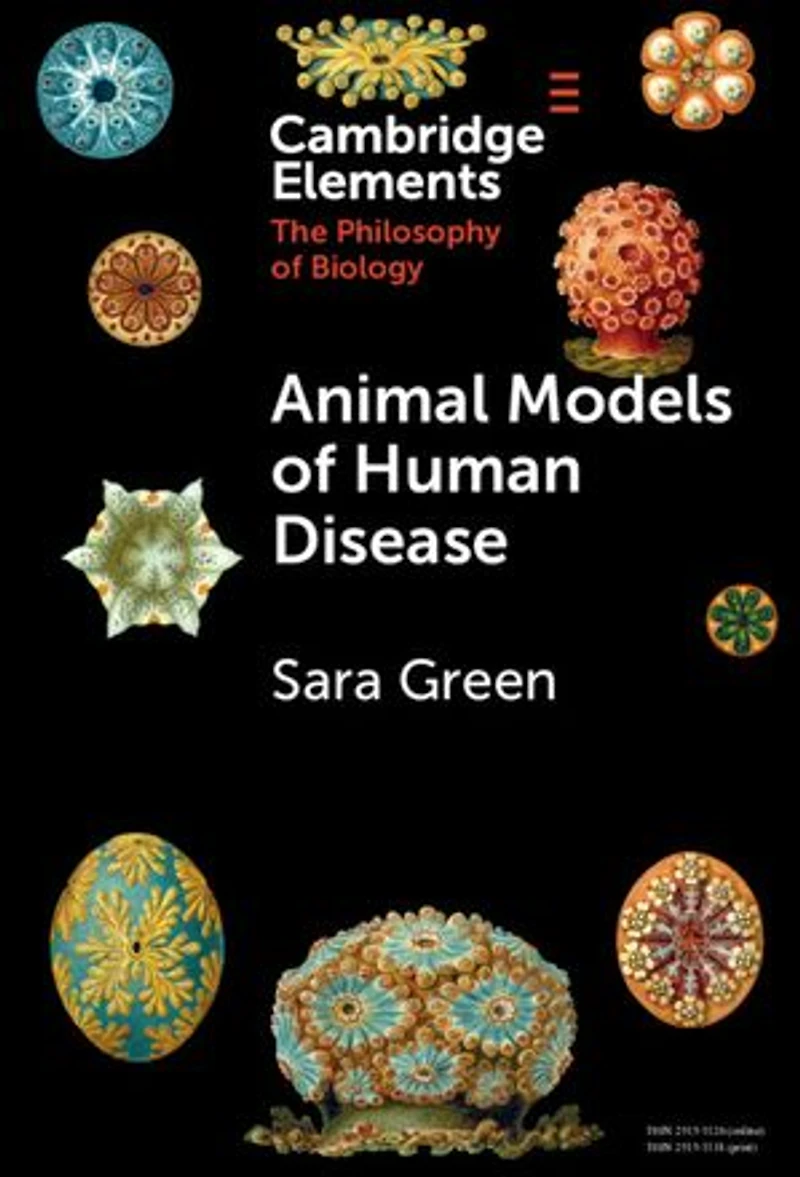
Animal Models of Human Disease in Ottawa, ON
Current price: $23.19
Original price: $28.95

Animal Models of Human Disease in Ottawa, ON
Current price: $23.19
Original price: $28.95
Loading Inventory...
Size: Kobo eBook
*Product information may vary - to confirm product availability, pricing, shipping and return information please contact Coles
The crucial role of animal models in biomedical research calls for philosophical investigation of how and whether knowledge about human diseases can be gained by studying other species. This Element delves into the selection and construction of animal models to serve as preclinical substitutes for human patients. It explores the multifaceted roles animal models fulfil in translational research and how the boundaries between humans and animals are negotiated in this process. The book also covers persistent translational challenges that have sparked debates across scientific, philosophical, and public arenas regarding the limitations and future of animal models. Among the are persistent tensions between standardization and variation in medicine, as well as between strategies aiming to reduce and recapitulate biological complexity. Finally, the book examines the prospects of replacing animal models with animal-free methods. The Element demonstrates why animal modeling should be of interest to philosophers, social scientists, and scientists alike.
The crucial role of animal models in biomedical research calls for philosophical investigation of how and whether knowledge about human diseases can be gained by studying other species. This Element delves into the selection and construction of animal models to serve as preclinical substitutes for human patients. It explores the multifaceted roles animal models fulfil in translational research and how the boundaries between humans and animals are negotiated in this process. The book also covers persistent translational challenges that have sparked debates across scientific, philosophical, and public arenas regarding the limitations and future of animal models. Among the are persistent tensions between standardization and variation in medicine, as well as between strategies aiming to reduce and recapitulate biological complexity. Finally, the book examines the prospects of replacing animal models with animal-free methods. The Element demonstrates why animal modeling should be of interest to philosophers, social scientists, and scientists alike.
You May Also Like










More About Coles at Bayshore Shopping Centre
Coles is renowned for its outstanding customer service and great selection of books. Along with the vast array of magazines, stationary, audio-books, children's literature, fiction, non-fiction and reference books, you can find accessories to make your reading experience more pleasurable. We can recommend the very best in reading today. We will help you search our titles for exactly what you need, and if we do not have it in stock, we will order it for you.
100 Bayshore Dr, Nepean, ON K2B 8C1, Canada
Find Coles at Bayshore Shopping Centre in Ottawa, ON
Visit Coles at Bayshore Shopping Centre in Ottawa, ON