

Give the Gift of Choice!
Too many options? Treat your friends and family to their favourite stores with a Bayshore Shopping Centre gift card, redeemable at participating retailers throughout the centre. Click below to purchase yours today!Purchase HereHome
Animals' Rights Considered in Relation to Social Progress
Coles
Loading Inventory...
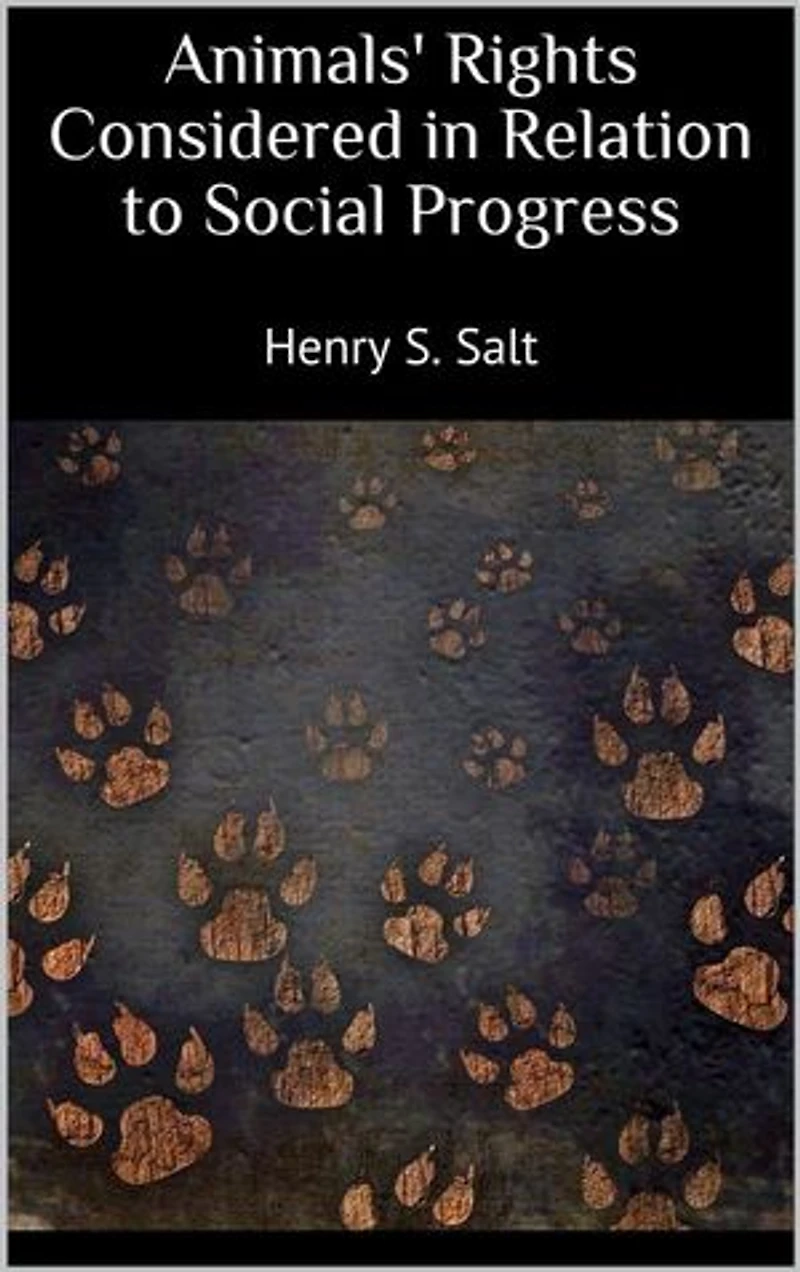
Animals' Rights Considered in Relation to Social Progress in Ottawa, ON
Current price: $4.99

Animals' Rights Considered in Relation to Social Progress in Ottawa, ON
Current price: $4.99
Loading Inventory...
Size: Kobo eBook
*Product information may vary - to confirm product availability, pricing, shipping and return information please contact Coles
The immediate question that claims our attention is this-if men have rights, have animals their rights also? From the earliest times there have been thinkers who, directly or indirectly, answered this question with an affirmative. The Buddhist and Pythagorean canons, dominated perhaps by the creed of reincarnation, included the maxim "not to kill or injure any innocent animal." The humanitarian philosophers of the Roman empire, among whom Seneca, Plutarch, and Porphyry were the most conspicuous, took still higher ground in preaching humanity on the broadest principle of universal benevolence. "Since justice is due to rational beings," wrote Porphyry, "how is it possible to evade the admission that we are bound also to act justly towards the races below us?"
The immediate question that claims our attention is this-if men have rights, have animals their rights also? From the earliest times there have been thinkers who, directly or indirectly, answered this question with an affirmative. The Buddhist and Pythagorean canons, dominated perhaps by the creed of reincarnation, included the maxim "not to kill or injure any innocent animal." The humanitarian philosophers of the Roman empire, among whom Seneca, Plutarch, and Porphyry were the most conspicuous, took still higher ground in preaching humanity on the broadest principle of universal benevolence. "Since justice is due to rational beings," wrote Porphyry, "how is it possible to evade the admission that we are bound also to act justly towards the races below us?"
You May Also Like















More About Coles at Bayshore Shopping Centre
Coles is renowned for its outstanding customer service and great selection of books. Along with the vast array of magazines, stationary, audio-books, children's literature, fiction, non-fiction and reference books, you can find accessories to make your reading experience more pleasurable. We can recommend the very best in reading today. We will help you search our titles for exactly what you need, and if we do not have it in stock, we will order it for you.
100 Bayshore Dr, Nepean, ON K2B 8C1, Canada
Find Coles at Bayshore Shopping Centre in Ottawa, ON
Visit Coles at Bayshore Shopping Centre in Ottawa, ON