

Give the Gift of Choice!
Too many options? Treat your friends and family to their favourite stores with a Bayshore Shopping Centre gift card, redeemable at participating retailers throughout the centre. Click below to purchase yours today!Purchase HereHome
Anthropocene Communism: Land and Capital the Age of Disaster
Coles
Loading Inventory...
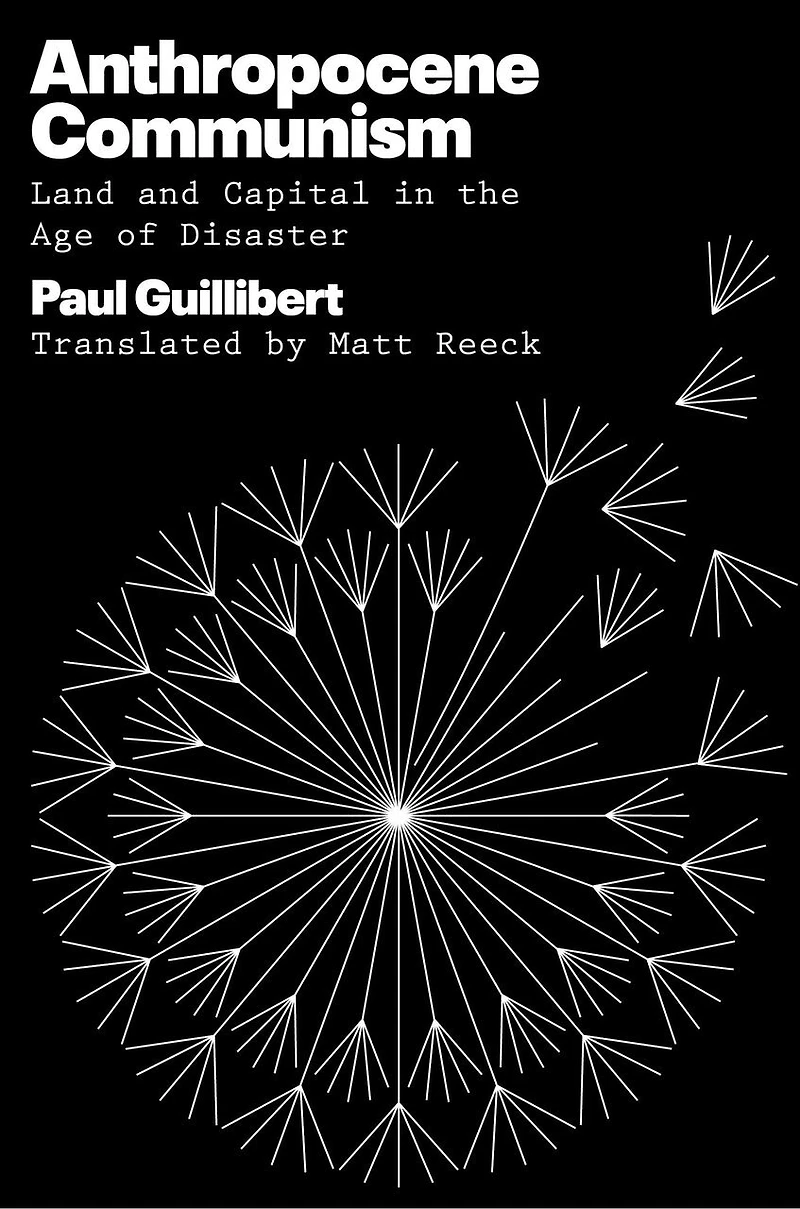
Anthropocene Communism: Land and Capital the Age of Disaster in Ottawa, ON
Current price: $33.95

Anthropocene Communism: Land and Capital the Age of Disaster in Ottawa, ON
Current price: $33.95
Loading Inventory...
Size: Hardcover
*Product information may vary - to confirm product availability, pricing, shipping and return information please contact Coles
How communism can inform the ecological revolution
In Anthropocene Communism , the philosopher and activist Paul Guillibert proposes a brand-new communism for life: biocommunism. With the aid of this system, he hopes to move us beyond the ecological crisis of late capitalism. In a highly original reading of Karl Marx’s exchanges with the populist ‘terrorists’ in Russia and informed by the cultural studies of Raymond Williams, the Marxism of José Carlos Mariátegui, and Ernst Bloch’s attachment to the land, the author develops a philosophical naturalism that rethinks our relations with the environment. Rather than a fixed state, this relationship is influenced by cultural, social, and historical practices.
For Guillibert, if we are to move beyond the Anthropocene, we must develop new strategies. Communism must become environmentalism, and political ecology can only become truly revolutionary once it is communist.
How communism can inform the ecological revolution
In Anthropocene Communism , the philosopher and activist Paul Guillibert proposes a brand-new communism for life: biocommunism. With the aid of this system, he hopes to move us beyond the ecological crisis of late capitalism. In a highly original reading of Karl Marx’s exchanges with the populist ‘terrorists’ in Russia and informed by the cultural studies of Raymond Williams, the Marxism of José Carlos Mariátegui, and Ernst Bloch’s attachment to the land, the author develops a philosophical naturalism that rethinks our relations with the environment. Rather than a fixed state, this relationship is influenced by cultural, social, and historical practices.
For Guillibert, if we are to move beyond the Anthropocene, we must develop new strategies. Communism must become environmentalism, and political ecology can only become truly revolutionary once it is communist.
You May Also Like








More About Coles at Bayshore Shopping Centre
Coles is renowned for its outstanding customer service and great selection of books. Along with the vast array of magazines, stationary, audio-books, children's literature, fiction, non-fiction and reference books, you can find accessories to make your reading experience more pleasurable. We can recommend the very best in reading today. We will help you search our titles for exactly what you need, and if we do not have it in stock, we will order it for you.
100 Bayshore Dr, Nepean, ON K2B 8C1, Canada
Find Coles at Bayshore Shopping Centre in Ottawa, ON
Visit Coles at Bayshore Shopping Centre in Ottawa, ON