

Give the Gift of Choice!
Too many options? Treat your friends and family to their favourite stores with a Bayshore Shopping Centre gift card, redeemable at participating retailers throughout the centre. Click below to purchase yours today!Purchase HereHome
Anthropomorphism in Christian Theology: The Apophatics of the Sensible
Coles
Loading Inventory...
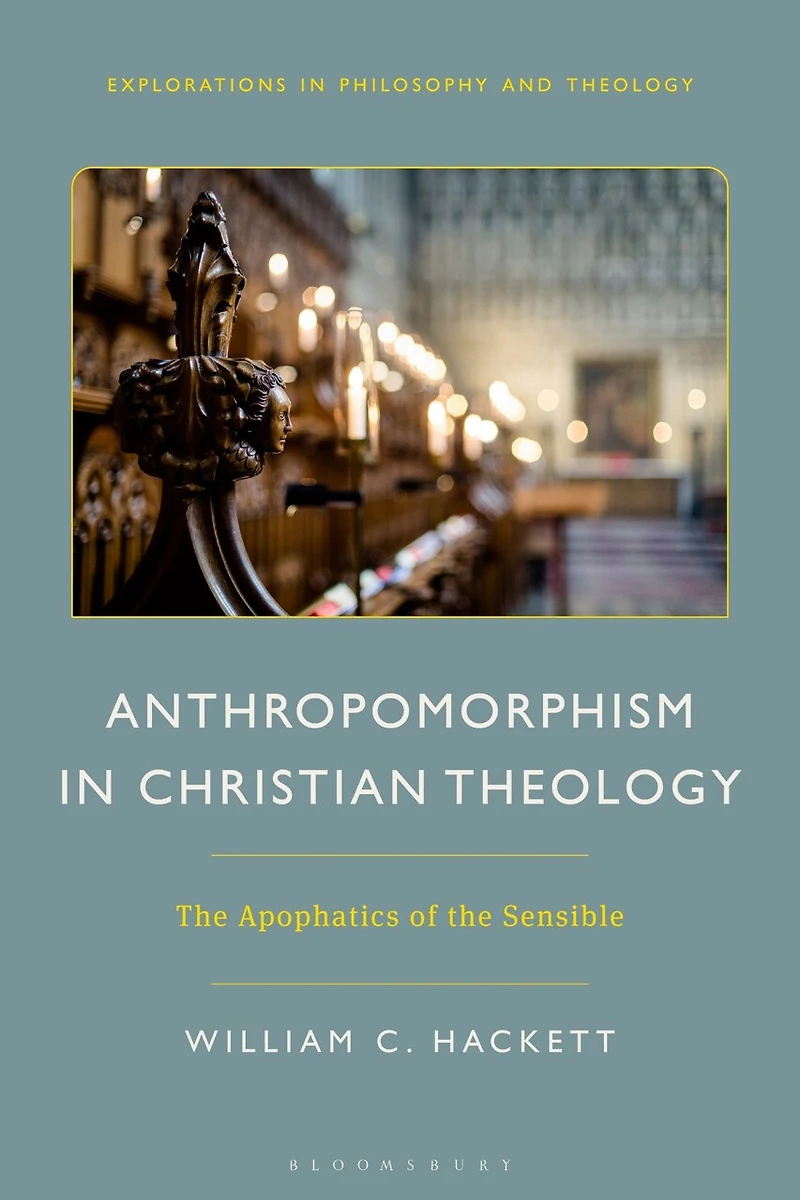
Anthropomorphism in Christian Theology: The Apophatics of the Sensible in Ottawa, ON
Current price: $175.50

Anthropomorphism in Christian Theology: The Apophatics of the Sensible in Ottawa, ON
Current price: $175.50
Loading Inventory...
Size: Hardcover
*Product information may vary - to confirm product availability, pricing, shipping and return information please contact Coles
William C. Hackett provides a renewed reading of Christian theology by evaluating the role of anthropomorphism in shaping negative theology. Through this theological history, he addresses the fear of anthropomorphism that prompted early philosophers and theologians to adopt abstract understandings of God. Hackett charts the wide-ranging importance of anthropomorphism to theology through figures including Balthasar, Bultmann, Dionysius the Areopagite, and Cyril of Alexandria. He argues that anthropomorphism highlights the unique conceptual problem between divine presence and absence. By exploring the turn away from practical and embodied views of God in Scripture, this book focuses on anthropomorphic views of God in symbols, images, and narratives. Emphasising these forms promotes an intellectual vision of Christianity that challenges theoretical and conceptual abstraction. Anthropomorphism in Christian Theology further traces the nuances between human and angelic intellect, modern philosophy and theology, negative theology and the concept of transcendence.
William C. Hackett provides a renewed reading of Christian theology by evaluating the role of anthropomorphism in shaping negative theology. Through this theological history, he addresses the fear of anthropomorphism that prompted early philosophers and theologians to adopt abstract understandings of God. Hackett charts the wide-ranging importance of anthropomorphism to theology through figures including Balthasar, Bultmann, Dionysius the Areopagite, and Cyril of Alexandria. He argues that anthropomorphism highlights the unique conceptual problem between divine presence and absence. By exploring the turn away from practical and embodied views of God in Scripture, this book focuses on anthropomorphic views of God in symbols, images, and narratives. Emphasising these forms promotes an intellectual vision of Christianity that challenges theoretical and conceptual abstraction. Anthropomorphism in Christian Theology further traces the nuances between human and angelic intellect, modern philosophy and theology, negative theology and the concept of transcendence.
You May Also Like










More About Coles at Bayshore Shopping Centre
Coles is renowned for its outstanding customer service and great selection of books. Along with the vast array of magazines, stationary, audio-books, children's literature, fiction, non-fiction and reference books, you can find accessories to make your reading experience more pleasurable. We can recommend the very best in reading today. We will help you search our titles for exactly what you need, and if we do not have it in stock, we will order it for you.
100 Bayshore Dr, Nepean, ON K2B 8C1, Canada
Find Coles at Bayshore Shopping Centre in Ottawa, ON
Visit Coles at Bayshore Shopping Centre in Ottawa, ON