

Give the Gift of Choice!
Too many options? Treat your friends and family to their favourite stores with a Bayshore Shopping Centre gift card, redeemable at participating retailers throughout the centre. Click below to purchase yours today!Purchase HereHome
Anti-Colonialism and the Crises of Interwar Fascism
Coles
Loading Inventory...
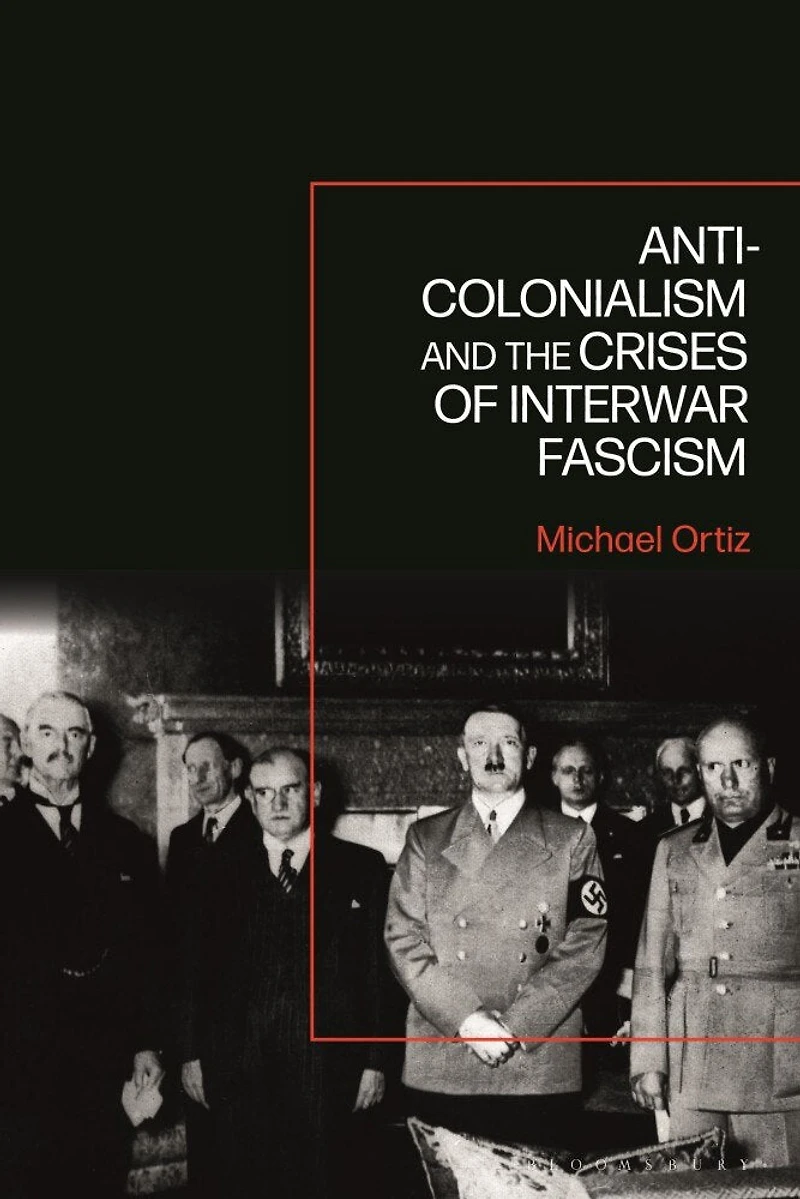
Anti-Colonialism and the Crises of Interwar Fascism in Ottawa, ON
Current price: $175.50

Anti-Colonialism and the Crises of Interwar Fascism in Ottawa, ON
Current price: $175.50
Loading Inventory...
Size: Hardcover
*Product information may vary - to confirm product availability, pricing, shipping and return information please contact Coles
What is fascism? Is it an anomaly in the history of modern Europe? Or its culmination? In Anti-Colonialism and the Crises of Interwar Fascism , Michael Ortiz makes the case that fascism should be understood, in part, as an imperial phenomenon. He contends that the Age of Appeasement (1935-1939) was not a titanic clash between rival socio-political systems (fascism and democracy), but rather an imperial contest between satisfied and unsatisfied empires. Historians have long debated the extent to which Western imperialisms served as ideological and intellectual precursors to European fascisms. To date, this scholarship has largely employed an "inside-out" methodology that examines the imperial discourses that pushed fascist regimes outward, into Africa, Asia, and the Americas. While effective, such approaches tend to ignore the ways in which these places and their inhabitants understood European fascisms. Addressing this imbalance, Anti-Colonialism adopts an "outside-in" approach that analyses fascist expansion from the perspective of Indian anti-colonialists such as Jawaharlal Nehru, Subhas Bose, and Mohandas Gandhi. Seen from India, the crises of Interwar fascism-the Second Italo-Ethiopian War, Spanish Civil War, Second Sino-Japanese War, Munich Agreement, and the outbreak of the Second World War-were yet another eruption of imperial expansion analogous (although not identical) to the Scramble for Africa and the Treaty of Versailles. Whether fascist, democratic, or imperialist, Europe's great powers collectively negotiated the fate of smaller nations.
What is fascism? Is it an anomaly in the history of modern Europe? Or its culmination? In Anti-Colonialism and the Crises of Interwar Fascism , Michael Ortiz makes the case that fascism should be understood, in part, as an imperial phenomenon. He contends that the Age of Appeasement (1935-1939) was not a titanic clash between rival socio-political systems (fascism and democracy), but rather an imperial contest between satisfied and unsatisfied empires. Historians have long debated the extent to which Western imperialisms served as ideological and intellectual precursors to European fascisms. To date, this scholarship has largely employed an "inside-out" methodology that examines the imperial discourses that pushed fascist regimes outward, into Africa, Asia, and the Americas. While effective, such approaches tend to ignore the ways in which these places and their inhabitants understood European fascisms. Addressing this imbalance, Anti-Colonialism adopts an "outside-in" approach that analyses fascist expansion from the perspective of Indian anti-colonialists such as Jawaharlal Nehru, Subhas Bose, and Mohandas Gandhi. Seen from India, the crises of Interwar fascism-the Second Italo-Ethiopian War, Spanish Civil War, Second Sino-Japanese War, Munich Agreement, and the outbreak of the Second World War-were yet another eruption of imperial expansion analogous (although not identical) to the Scramble for Africa and the Treaty of Versailles. Whether fascist, democratic, or imperialist, Europe's great powers collectively negotiated the fate of smaller nations.
You May Also Like









More About Coles at Bayshore Shopping Centre
Coles is renowned for its outstanding customer service and great selection of books. Along with the vast array of magazines, stationary, audio-books, children's literature, fiction, non-fiction and reference books, you can find accessories to make your reading experience more pleasurable. We can recommend the very best in reading today. We will help you search our titles for exactly what you need, and if we do not have it in stock, we will order it for you.
100 Bayshore Dr, Nepean, ON K2B 8C1, Canada
Find Coles at Bayshore Shopping Centre in Ottawa, ON
Visit Coles at Bayshore Shopping Centre in Ottawa, ON