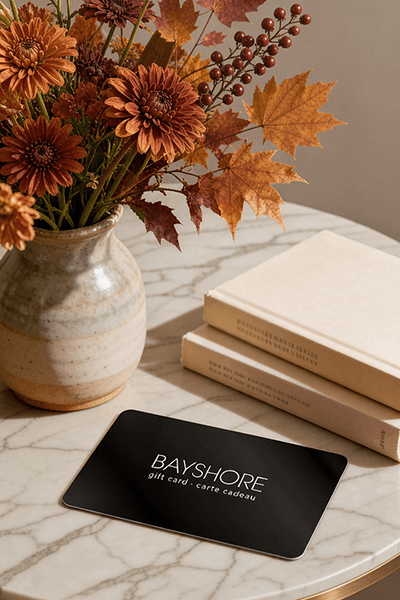
Too many options? Treat your friends and family to their favourite stores with a Bayshore Shopping Centre gift card, redeemable at participating retailers throughout the centre. Click below to purchase yours today!Purchase Here
Coles Anti-Portraits: Poetics of the Face in Modern English, Polish and Russian Literature (1835-1965) at Bayshore Shopping Centre in Ottawa, ON
*Product information may vary - to confirm product availability, pricing, shipping and return information please contact Coles
Anti-Portraits: Poetics of the Face in Modern English, Polish and Russian Literature (1835-1965) is a study of a-physiognomic descriptions of the face. It demonstrates that writers such as George Eliot, Leo Tolstoy, Edgar Allan Poe, Nicolay Gogol, Virginia Woolf and Witold Gombrowicz vigorously resisted the belief that facial features reflect character.
While other studies tend to focus on descriptions which affirm physiognomy, this book examines portraits which question popular face-reading systems and contravene their common premise – the surface-depth principle. Such portraits reveal that physiognomic formula is a cultural construct, invented to abridge, organise and regulate legibility of the human face. Most importantly, strange and ‘unreadable’ fictional faces frequently expose the connection between physiognomic judgement and stereotyping, prejudice and racism.
Anti-Portraits: Poetics of the Face in Modern English, Polish and Russian Literature (1835-1965) is a study of a-physiognomic descriptions of the face. It demonstrates that writers such as George Eliot, Leo Tolstoy, Edgar Allan Poe, Nicolay Gogol, Virginia Woolf and Witold Gombrowicz vigorously resisted the belief that facial features reflect character.
While other studies tend to focus on descriptions which affirm physiognomy, this book examines portraits which question popular face-reading systems and contravene their common premise – the surface-depth principle. Such portraits reveal that physiognomic formula is a cultural construct, invented to abridge, organise and regulate legibility of the human face. Most importantly, strange and ‘unreadable’ fictional faces frequently expose the connection between physiognomic judgement and stereotyping, prejudice and racism.
Coles is renowned for its outstanding customer service and great selection of books. Along with the vast array of magazines, stationary, audio-books, children's literature, fiction, non-fiction and reference books, you can find accessories to make your reading experience more pleasurable. We can recommend the very best in reading today. We will help you search our titles for exactly what you need, and if we do not have it in stock, we will order it for you.