

Give the Gift of Choice!
Too many options? Treat your friends and family to their favourite stores with a Bayshore Shopping Centre gift card, redeemable at participating retailers throughout the centre. Click below to purchase yours today!Purchase HereHome
Anuta: Polynesian Lifeways For The Twenty-First Century
Coles
Loading Inventory...
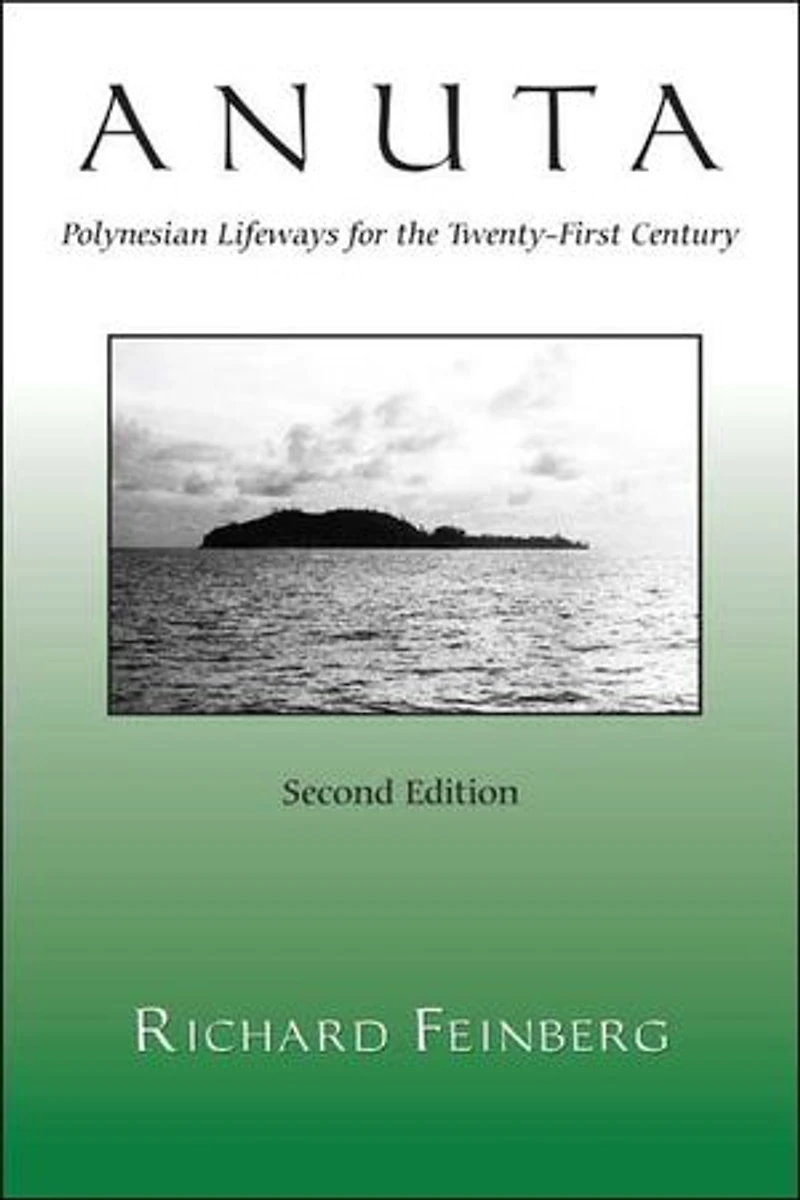
Anuta: Polynesian Lifeways For The Twenty-First Century in Ottawa, ON
Current price: $22.79
Original price: $28.49

Anuta: Polynesian Lifeways For The Twenty-First Century in Ottawa, ON
Current price: $22.79
Original price: $28.49
Loading Inventory...
Size: Kobo eBook
*Product information may vary - to confirm product availability, pricing, shipping and return information please contact Coles
Revised to stimulate and engage an undergraduate student audience, Feinberg’s updated account of Anuta opens with a chapter on his varied experiences when he initially undertook fieldwork in this tiny, isolated Polynesian community in the Solomon Islands. The following chapters explore dominant cultural features, including language, kinship, marriage, politics, and religion—topics that align with subject matter covered in introductory anthropology courses. The final chapter looks at some of the challenges Anutans face in the twenty-first century. Like many other peoples living on small, remote islands, Anutans strive to maintain traditional values while at the same time becoming involved in the world market economy. In all, Feinberg gives readers magnificent material for studying the relations between demography, environment, culture, and society in this changing world.
Revised to stimulate and engage an undergraduate student audience, Feinberg’s updated account of Anuta opens with a chapter on his varied experiences when he initially undertook fieldwork in this tiny, isolated Polynesian community in the Solomon Islands. The following chapters explore dominant cultural features, including language, kinship, marriage, politics, and religion—topics that align with subject matter covered in introductory anthropology courses. The final chapter looks at some of the challenges Anutans face in the twenty-first century. Like many other peoples living on small, remote islands, Anutans strive to maintain traditional values while at the same time becoming involved in the world market economy. In all, Feinberg gives readers magnificent material for studying the relations between demography, environment, culture, and society in this changing world.
You May Also Like












More About Coles at Bayshore Shopping Centre
Coles is renowned for its outstanding customer service and great selection of books. Along with the vast array of magazines, stationary, audio-books, children's literature, fiction, non-fiction and reference books, you can find accessories to make your reading experience more pleasurable. We can recommend the very best in reading today. We will help you search our titles for exactly what you need, and if we do not have it in stock, we will order it for you.
100 Bayshore Dr, Nepean, ON K2B 8C1, Canada
Find Coles at Bayshore Shopping Centre in Ottawa, ON
Visit Coles at Bayshore Shopping Centre in Ottawa, ON