

Give the Gift of Choice!
Too many options? Treat your friends and family to their favourite stores with a Bayshore Shopping Centre gift card, redeemable at participating retailers throughout the centre. Click below to purchase yours today!Purchase HereHome
Apollinaire the Great War (1914-18)
Coles
Loading Inventory...
Apollinaire the Great War (1914-18) in Ottawa, ON
By None
Current price: $12.99

By None
Apollinaire the Great War (1914-18) in Ottawa, ON
Current price: $12.99
Loading Inventory...
Size: Kobo eBook
*Product information may vary - to confirm product availability, pricing, shipping and return information please contact Coles
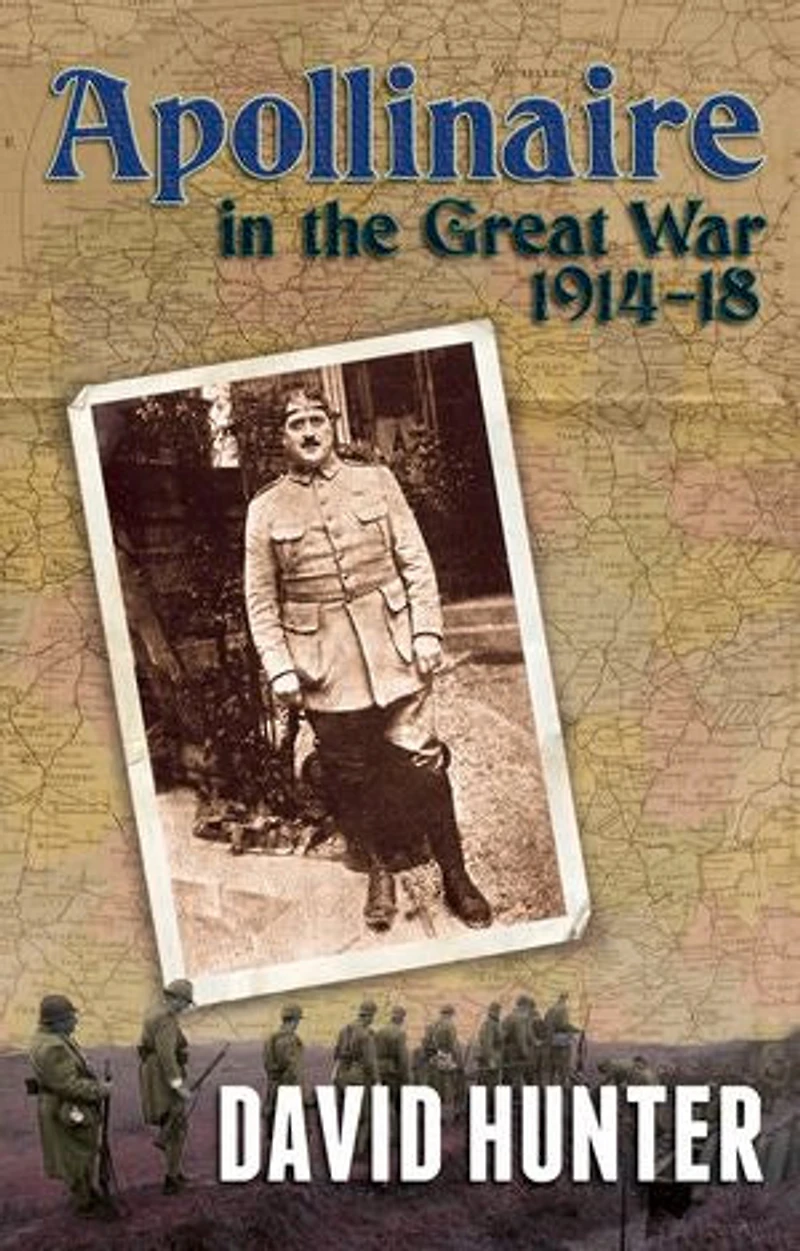
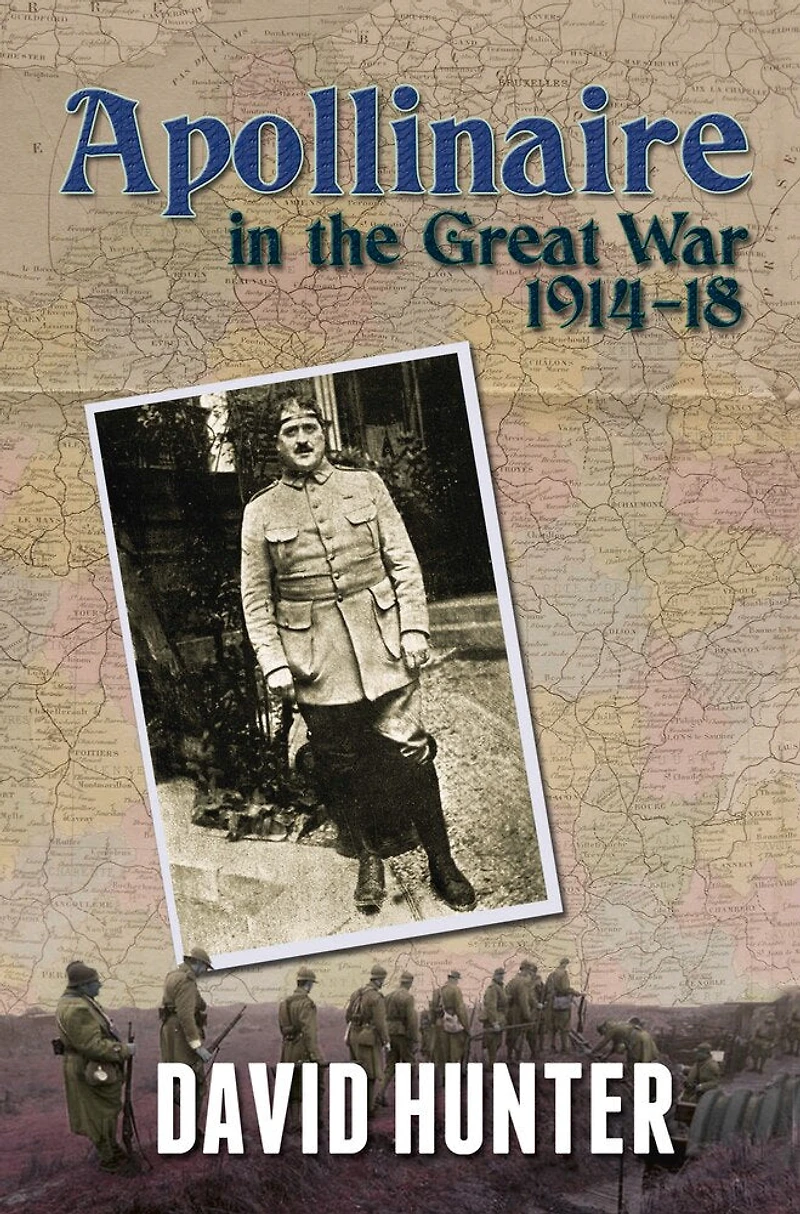
A major literary figure in pre-war Paris, Guillaume Apollinaire volunteered for war in 1914, trained as an artilleryman and was posted in April 1915 to the Champagne front in northern France, participating in the bloody but little-known offensive that September and then moving into the front line as an infantry officer, before being wounded in March 1916 and invalided out of active service. Back in Paris, Apollinaire plunged back into the activities of the capital’s artistic avant-garde, meanwhile publishing poetry, prose and plays that were deeply influenced by his involvement in the conflict. He died on 9 November 1918, two days before the Armistice, a victim of the influenza pandemic, but with a literary reputation secured, as well as a certain fame for coining the term ‘Surrealism’. This book draws heavily on Apollinaire’s writings to tell the story of his war years, within the wider context of the French experience of the Great War. In this period, Apollinaire also wrote hundreds of letters, the bulk of them to two women: Louise de Coligny, a flighty socialite of aristocratic origin, and Madeleine Pagès, a young schoolteacher. In these letters he poured out his passionate feelings for both in often highly erotic poetry and prose, as well as giving detailed descriptions of his life as a front-line soldier.
A major literary figure in pre-war Paris, Guillaume Apollinaire volunteered for war in 1914, trained as an artilleryman and was posted in April 1915 to the Champagne front in northern France, participating in the bloody but little-known offensive that September and then moving into the front line as an infantry officer, before being wounded in March 1916 and invalided out of active service. Back in Paris, Apollinaire plunged back into the activities of the capital’s artistic avant-garde, meanwhile publishing poetry, prose and plays that were deeply influenced by his involvement in the conflict. He died on 9 November 1918, two days before the Armistice, a victim of the influenza pandemic, but with a literary reputation secured, as well as a certain fame for coining the term ‘Surrealism’. This book draws heavily on Apollinaire’s writings to tell the story of his war years, within the wider context of the French experience of the Great War. In this period, Apollinaire also wrote hundreds of letters, the bulk of them to two women: Louise de Coligny, a flighty socialite of aristocratic origin, and Madeleine Pagès, a young schoolteacher. In these letters he poured out his passionate feelings for both in often highly erotic poetry and prose, as well as giving detailed descriptions of his life as a front-line soldier.









More About Coles at Bayshore Shopping Centre
Coles is renowned for its outstanding customer service and great selection of books. Along with the vast array of magazines, stationary, audio-books, children's literature, fiction, non-fiction and reference books, you can find accessories to make your reading experience more pleasurable. We can recommend the very best in reading today. We will help you search our titles for exactly what you need, and if we do not have it in stock, we will order it for you.
100 Bayshore Dr, Nepean, ON K2B 8C1, Canada
Find Coles at Bayshore Shopping Centre in Ottawa, ON
Visit Coles at Bayshore Shopping Centre in Ottawa, ON