

Give the Gift of Choice!
Too many options? Treat your friends and family to their favourite stores with a Bayshore Shopping Centre gift card, redeemable at participating retailers throughout the centre. Click below to purchase yours today!Purchase HereHome
Apostle to the Conquered, paperback edition: Reimagining Paul's Mission
Coles
Loading Inventory...
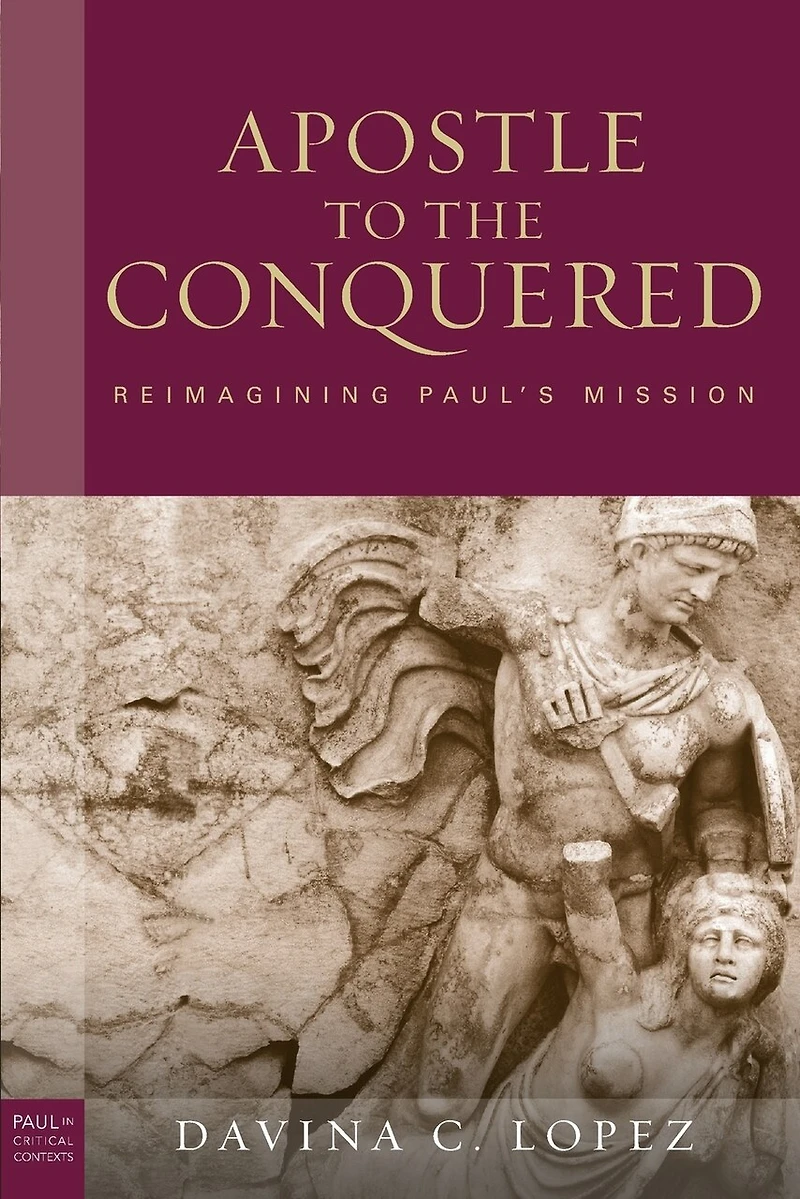
Apostle to the Conquered, paperback edition: Reimagining Paul's Mission in Ottawa, ON
Current price: $39.00

Apostle to the Conquered, paperback edition: Reimagining Paul's Mission in Ottawa, ON
Current price: $39.00
Loading Inventory...
Size: Paperback
*Product information may vary - to confirm product availability, pricing, shipping and return information please contact Coles
What did Paul mean by identifying himself as "apostle to the nations"? Davina C. Lopez finds the surprising answer in the way the Roman Empire depicted the relationship between conquering and conquered peoples in myths, inscriptions, and especially in the visual repertoire of statues and reliefs found in every Roman city. While Roman power was represented as aggressive and masculine, conquered peoples were systematically represented by images of helpless women. Lopez uses this key to unlock the themes of Paul's apostleship in a gender-critical "re-imagination" of his mission. Tracing themes of conquest and domination throughout sources contemporary with Paul, Lopez shows that Paul's language of "the nations" would have been heard by his contemporaries as confronting the Roman ideology of power and expressing solidarity with defeated peoples. Apostle to the Conquered reveals the subversive heart of Paul's theology, reframing his "conversion" in terms of "consciousness", and his exhortations as a politics of the new creation.
What did Paul mean by identifying himself as "apostle to the nations"? Davina C. Lopez finds the surprising answer in the way the Roman Empire depicted the relationship between conquering and conquered peoples in myths, inscriptions, and especially in the visual repertoire of statues and reliefs found in every Roman city. While Roman power was represented as aggressive and masculine, conquered peoples were systematically represented by images of helpless women. Lopez uses this key to unlock the themes of Paul's apostleship in a gender-critical "re-imagination" of his mission. Tracing themes of conquest and domination throughout sources contemporary with Paul, Lopez shows that Paul's language of "the nations" would have been heard by his contemporaries as confronting the Roman ideology of power and expressing solidarity with defeated peoples. Apostle to the Conquered reveals the subversive heart of Paul's theology, reframing his "conversion" in terms of "consciousness", and his exhortations as a politics of the new creation.
You May Also Like











More About Coles at Bayshore Shopping Centre
Coles is renowned for its outstanding customer service and great selection of books. Along with the vast array of magazines, stationary, audio-books, children's literature, fiction, non-fiction and reference books, you can find accessories to make your reading experience more pleasurable. We can recommend the very best in reading today. We will help you search our titles for exactly what you need, and if we do not have it in stock, we will order it for you.
100 Bayshore Dr, Nepean, ON K2B 8C1, Canada
Find Coles at Bayshore Shopping Centre in Ottawa, ON
Visit Coles at Bayshore Shopping Centre in Ottawa, ON