

Give the Gift of Choice!
Too many options? Treat your friends and family to their favourite stores with a Bayshore Shopping Centre gift card, redeemable at participating retailers throughout the centre. Click below to purchase yours today!Purchase HereHome
Appeasement and Rearmament: Britain, 1936-1939
Coles
Loading Inventory...
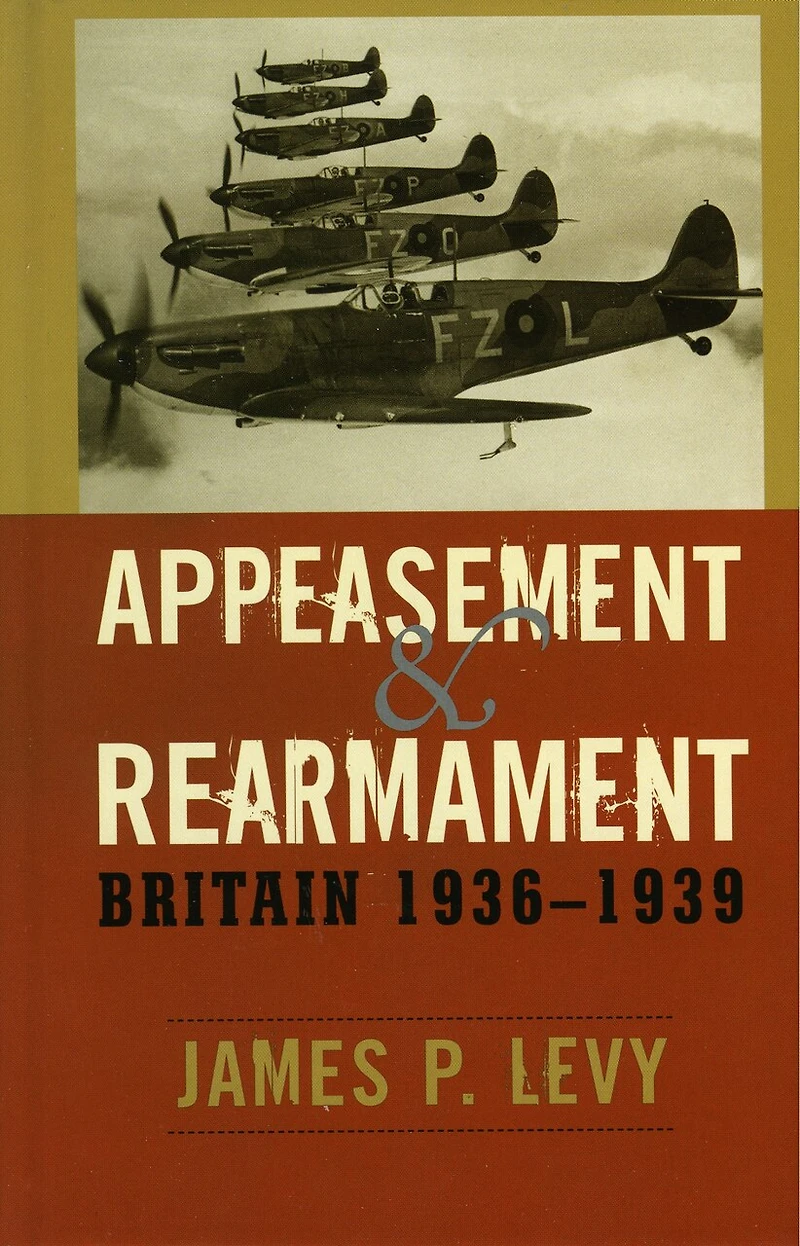
Appeasement and Rearmament: Britain, 1936-1939 in Ottawa, ON
Current price: $150.00

Appeasement and Rearmament: Britain, 1936-1939 in Ottawa, ON
Current price: $150.00
Loading Inventory...
Size: Hardcover
*Product information may vary - to confirm product availability, pricing, shipping and return information please contact Coles
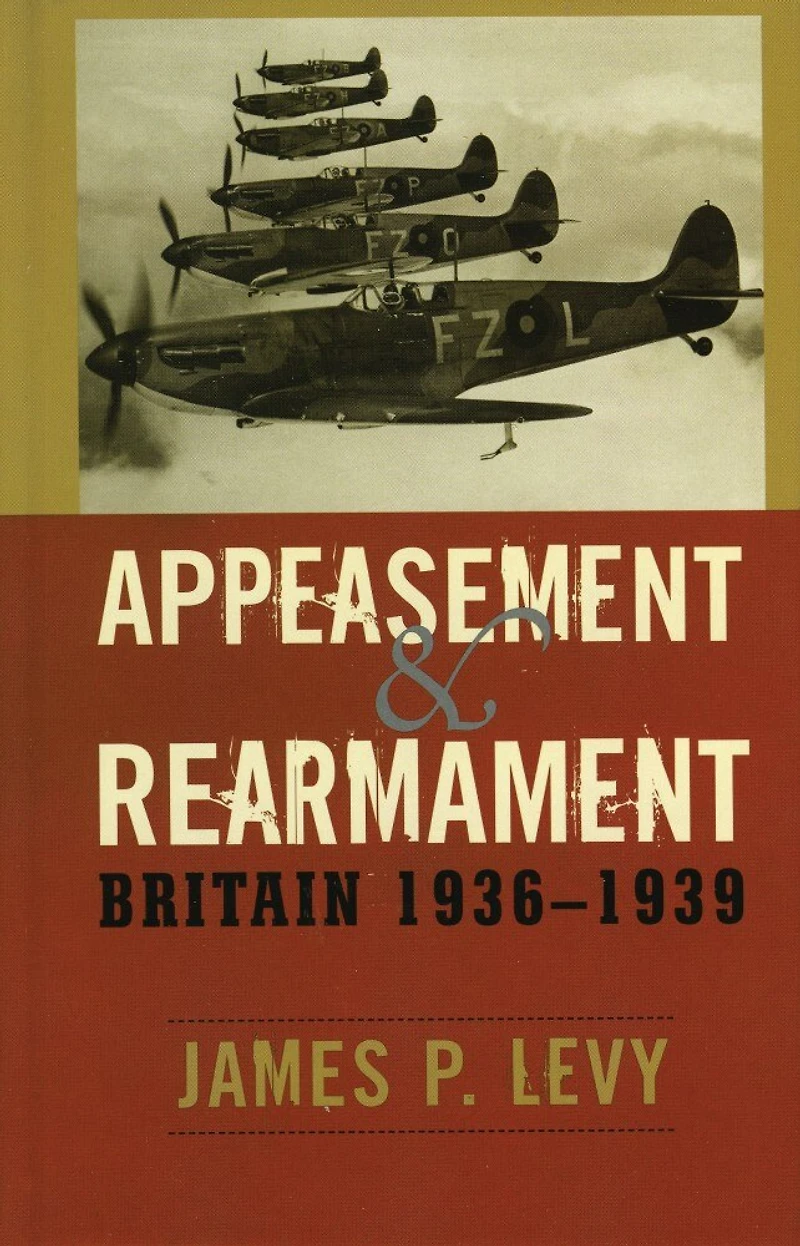
Standing against conventional wisdom, historian James Levy reevaluates Britain's twin policies of appeasement and rearmament in the late 1930s. By carefully examining the political and economic environment of the times, Levy argues that Neville Chamberlain crafted an active, logical and morally defensible foreign policy designed to avoid and deter a potentially devastating war. Levy shows that through Chamberlain's experience as Chancellor of the Exchequer, he knew that Britain had not yet fully recovered from the first World War and the longer an international confrontation could be avoided, the better Britain's chances of weathering the storm. In the end, Hitler could be neither appeased nor deterred, and recognizing this, Britain and France went into war better armed and better prepared to fight.
Standing against conventional wisdom, historian James Levy reevaluates Britain's twin policies of appeasement and rearmament in the late 1930s. By carefully examining the political and economic environment of the times, Levy argues that Neville Chamberlain crafted an active, logical and morally defensible foreign policy designed to avoid and deter a potentially devastating war. Levy shows that through Chamberlain's experience as Chancellor of the Exchequer, he knew that Britain had not yet fully recovered from the first World War and the longer an international confrontation could be avoided, the better Britain's chances of weathering the storm. In the end, Hitler could be neither appeased nor deterred, and recognizing this, Britain and France went into war better armed and better prepared to fight.
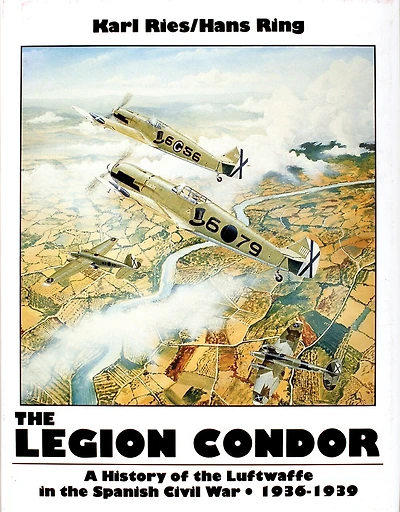
You May Also Like










More About Coles at Bayshore Shopping Centre
Coles is renowned for its outstanding customer service and great selection of books. Along with the vast array of magazines, stationary, audio-books, children's literature, fiction, non-fiction and reference books, you can find accessories to make your reading experience more pleasurable. We can recommend the very best in reading today. We will help you search our titles for exactly what you need, and if we do not have it in stock, we will order it for you.
100 Bayshore Dr, Nepean, ON K2B 8C1, Canada
Find Coles at Bayshore Shopping Centre in Ottawa, ON
Visit Coles at Bayshore Shopping Centre in Ottawa, ON