

Give the Gift of Choice!
Too many options? Treat your friends and family to their favourite stores with a Bayshore Shopping Centre gift card, redeemable at participating retailers throughout the centre. Click below to purchase yours today!Purchase HereHome
Approaches to Metaphony in the Languages of Italy
Coles
Loading Inventory...
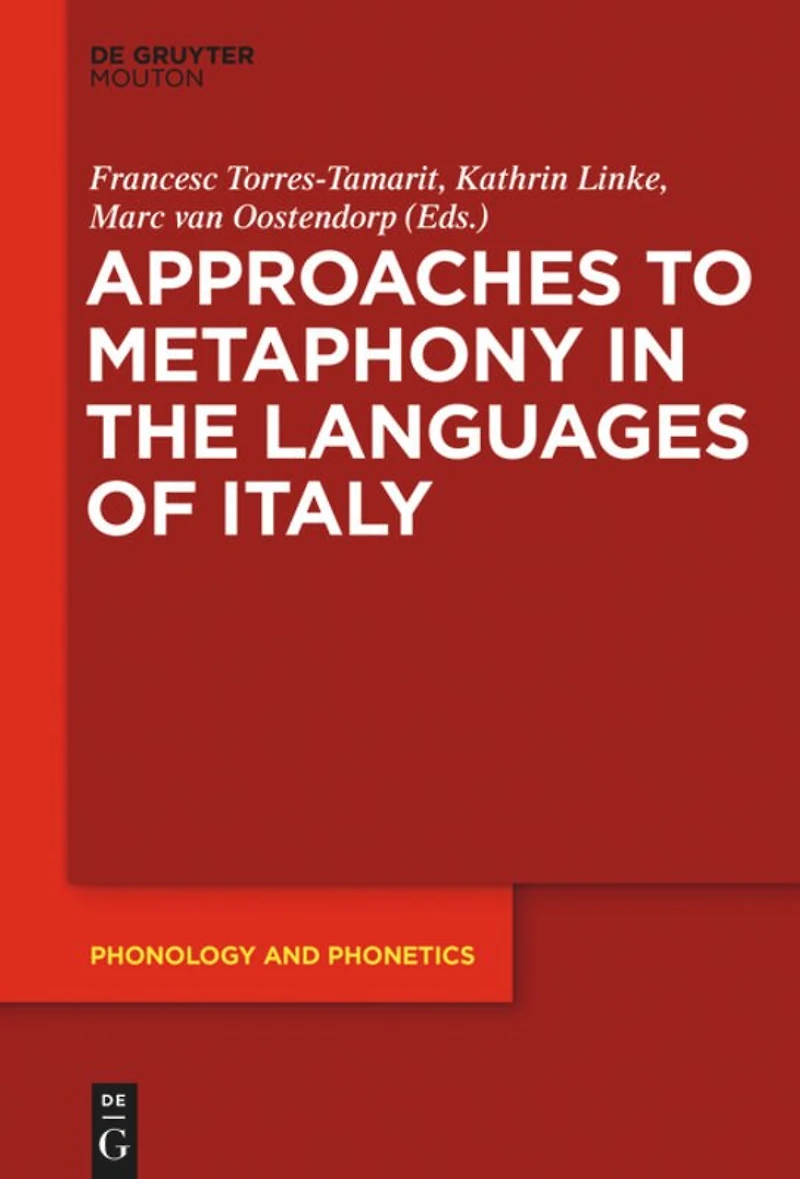
Approaches to Metaphony in the Languages of Italy in Ottawa, ON
Current price: $269.99

Approaches to Metaphony in the Languages of Italy in Ottawa, ON
Current price: $269.99
Loading Inventory...
Size: Hardcover
*Product information may vary - to confirm product availability, pricing, shipping and return information please contact Coles
This volume presents current work on a topic in Romance linguistics that still informs linguistic theory to this day: metaphony in the languages of Italy. Papers discuss fundamental research topics such as phonological opacity in the light of chain shifts, post-tonic harmony and consonant transparency, the role of morphosyntax in the typology of metaphony, the explanatory adequacy of feature-based versus element-based analyses, and the locus of metaphony in grammar. Other chapters present new experimental data, thus building a more accurate empirical foundation for the study of metaphony. We envision the volume to become a reference book not only for an updated descriptive survey of metaphonic patterns in Italy but also a thorough discussion of the challenges that metaphony poses for different (morpho)phonological theories. The book bridges the gap between descriptive works and theoretical thinking in the study of metaphony.
This volume presents current work on a topic in Romance linguistics that still informs linguistic theory to this day: metaphony in the languages of Italy. Papers discuss fundamental research topics such as phonological opacity in the light of chain shifts, post-tonic harmony and consonant transparency, the role of morphosyntax in the typology of metaphony, the explanatory adequacy of feature-based versus element-based analyses, and the locus of metaphony in grammar. Other chapters present new experimental data, thus building a more accurate empirical foundation for the study of metaphony. We envision the volume to become a reference book not only for an updated descriptive survey of metaphonic patterns in Italy but also a thorough discussion of the challenges that metaphony poses for different (morpho)phonological theories. The book bridges the gap between descriptive works and theoretical thinking in the study of metaphony.
You May Also Like












More About Coles at Bayshore Shopping Centre
Coles is renowned for its outstanding customer service and great selection of books. Along with the vast array of magazines, stationary, audio-books, children's literature, fiction, non-fiction and reference books, you can find accessories to make your reading experience more pleasurable. We can recommend the very best in reading today. We will help you search our titles for exactly what you need, and if we do not have it in stock, we will order it for you.
100 Bayshore Dr, Nepean, ON K2B 8C1, Canada
Find Coles at Bayshore Shopping Centre in Ottawa, ON
Visit Coles at Bayshore Shopping Centre in Ottawa, ON