

Give the Gift of Choice!
Too many options? Treat your friends and family to their favourite stores with a Bayshore Shopping Centre gift card, redeemable at participating retailers throughout the centre. Click below to purchase yours today!Purchase HereHome
Arab World Cinemas: A Reader and Guide
Coles
Loading Inventory...
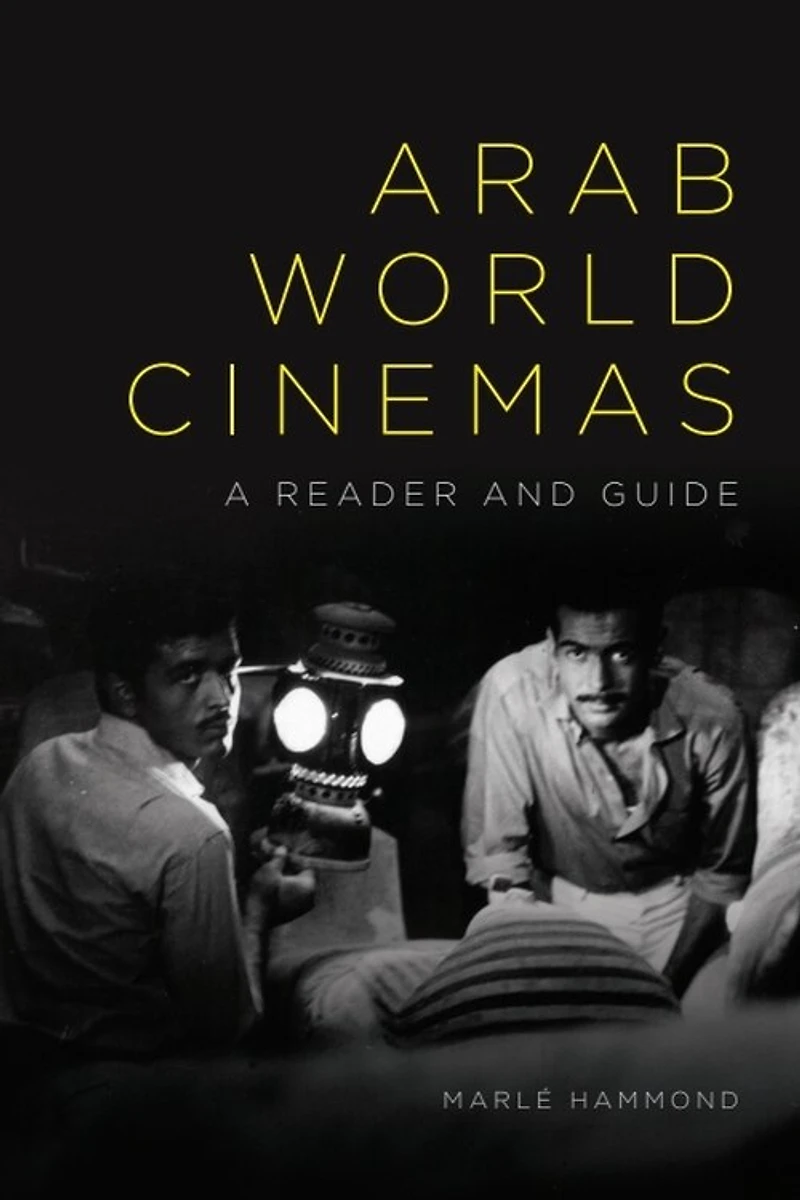
Arab World Cinemas: A Reader and Guide in Ottawa, ON
Current price: $162.99

Arab World Cinemas: A Reader and Guide in Ottawa, ON
Current price: $162.99
Loading Inventory...
Size: Hardcover
*Product information may vary - to confirm product availability, pricing, shipping and return information please contact Coles
From the exaggerated emotions of 1930s Egyptian melodrama to the cryptic allegories of late 20th-century Palestinian cinema, Arab World Cinemas guides you through 28 Arabic-language feature films released between 1933 and 2021, including Muhammad Khan's 'Dreams of Hind and Camilia' (1989), Moufida Tlatli's 'Silences of the Palace' (1994) and Elia Suleiman's 'Divine Intervention' (2002). Written specially for students, the book is split into 3 parts: Egypt, North Africa and the eastern Arab world. Each part begins with an introductory essay that highlights the aesthetic and socio-historical trends and currents in the cinematic traditions particular to that region. Marlé Hammond then dedicates individual chapters to a group of films from the highlighted region, interpreting their form and content through the lenses of cinematic technique and concepts drawn from various disciplines in the arts, humanities and social sciences.
From the exaggerated emotions of 1930s Egyptian melodrama to the cryptic allegories of late 20th-century Palestinian cinema, Arab World Cinemas guides you through 28 Arabic-language feature films released between 1933 and 2021, including Muhammad Khan's 'Dreams of Hind and Camilia' (1989), Moufida Tlatli's 'Silences of the Palace' (1994) and Elia Suleiman's 'Divine Intervention' (2002). Written specially for students, the book is split into 3 parts: Egypt, North Africa and the eastern Arab world. Each part begins with an introductory essay that highlights the aesthetic and socio-historical trends and currents in the cinematic traditions particular to that region. Marlé Hammond then dedicates individual chapters to a group of films from the highlighted region, interpreting their form and content through the lenses of cinematic technique and concepts drawn from various disciplines in the arts, humanities and social sciences.








More About Coles at Bayshore Shopping Centre
Coles is renowned for its outstanding customer service and great selection of books. Along with the vast array of magazines, stationary, audio-books, children's literature, fiction, non-fiction and reference books, you can find accessories to make your reading experience more pleasurable. We can recommend the very best in reading today. We will help you search our titles for exactly what you need, and if we do not have it in stock, we will order it for you.
100 Bayshore Dr, Nepean, ON K2B 8C1, Canada
Find Coles at Bayshore Shopping Centre in Ottawa, ON
Visit Coles at Bayshore Shopping Centre in Ottawa, ON