

Give the Gift of Choice!
Too many options? Treat your friends and family to their favourite stores with a Bayshore Shopping Centre gift card, redeemable at participating retailers throughout the centre. Click below to purchase yours today!Purchase HereHome
Arabic Logic from al-FArAbA to Averroes: A Study of the Early Categorical, Modal, and Hypothetical Syllogistics
Coles
Loading Inventory...
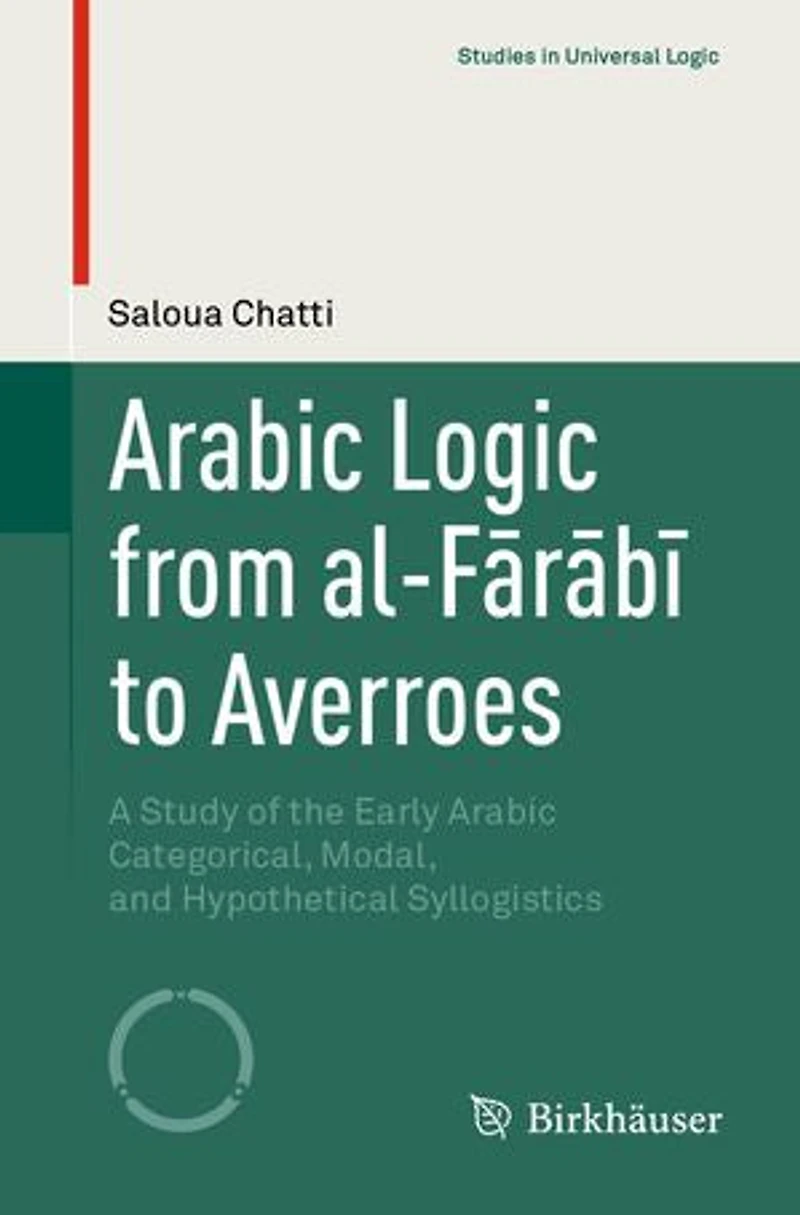
Arabic Logic from al-FArAbA to Averroes: A Study of the Early Categorical, Modal, and Hypothetical Syllogistics in Ottawa, ON
Current price: $116.09
Original price: $145.12

Arabic Logic from al-FArAbA to Averroes: A Study of the Early Categorical, Modal, and Hypothetical Syllogistics in Ottawa, ON
Current price: $116.09
Original price: $145.12
Loading Inventory...
Size: Kobo eBook
*Product information may vary - to confirm product availability, pricing, shipping and return information please contact Coles
This monograph explores the logical systems of early logicians in the Arabic tradition from a theoretical perspective, providing a complete panorama of early Arabic logic and centering it within an expansive historical context. By thoroughly examining the writings of the first Arabic logicians, al-FÄrÄbÄ«, Avicenna and Averroes, the author analyzes their respective theories, discusses their relationship to the syllogistics of Aristotle and his followers, and measures their influence on later logical systems. Beginning with an introduction to the writings of the most prominent Arabic logicians, the author scrutinizes these works to determine their categorical logic, as well as their modal and hypothetical logics. Where most other studies written on this subject focus on the Arabic logicians' epistemology, metaphysics, and theology, this volume takes a unique approach by focusing on the actual technical aspects and features of their logics. The author then moves on to examine theoriginal texts as closely as possible and employs the symbolism of modern propositional, predicate, and modal logics, rendering the arguments of each logician clearly and precisely while clarifying the theories themselves in order to determine the differences between the Arabic logicians' systems and those of Aristotle. By providing a detailed examination of theories that are still not very well-known in Western countries, the author is able to assess the improvements that can be found in the Arabic writings, and to situate Arabic logic within the breadth of the history of logic. This unique study will appeal mainly to historians of logic, logicians, and philosophers who seek a better understanding of the Arabic tradition. It also will be of interest to modern logicians who wish to delve into the historical aspects and progression of their discipline. Furthermore, this book will serve as a valuable resource for graduate students who wish to complement their general knowledge of Arabic culture, logic, and sciences.
This monograph explores the logical systems of early logicians in the Arabic tradition from a theoretical perspective, providing a complete panorama of early Arabic logic and centering it within an expansive historical context. By thoroughly examining the writings of the first Arabic logicians, al-FÄrÄbÄ«, Avicenna and Averroes, the author analyzes their respective theories, discusses their relationship to the syllogistics of Aristotle and his followers, and measures their influence on later logical systems. Beginning with an introduction to the writings of the most prominent Arabic logicians, the author scrutinizes these works to determine their categorical logic, as well as their modal and hypothetical logics. Where most other studies written on this subject focus on the Arabic logicians' epistemology, metaphysics, and theology, this volume takes a unique approach by focusing on the actual technical aspects and features of their logics. The author then moves on to examine theoriginal texts as closely as possible and employs the symbolism of modern propositional, predicate, and modal logics, rendering the arguments of each logician clearly and precisely while clarifying the theories themselves in order to determine the differences between the Arabic logicians' systems and those of Aristotle. By providing a detailed examination of theories that are still not very well-known in Western countries, the author is able to assess the improvements that can be found in the Arabic writings, and to situate Arabic logic within the breadth of the history of logic. This unique study will appeal mainly to historians of logic, logicians, and philosophers who seek a better understanding of the Arabic tradition. It also will be of interest to modern logicians who wish to delve into the historical aspects and progression of their discipline. Furthermore, this book will serve as a valuable resource for graduate students who wish to complement their general knowledge of Arabic culture, logic, and sciences.








More About Coles at Bayshore Shopping Centre
Coles is renowned for its outstanding customer service and great selection of books. Along with the vast array of magazines, stationary, audio-books, children's literature, fiction, non-fiction and reference books, you can find accessories to make your reading experience more pleasurable. We can recommend the very best in reading today. We will help you search our titles for exactly what you need, and if we do not have it in stock, we will order it for you.
100 Bayshore Dr, Nepean, ON K2B 8C1, Canada
Find Coles at Bayshore Shopping Centre in Ottawa, ON
Visit Coles at Bayshore Shopping Centre in Ottawa, ON