

Give the Gift of Choice!
Too many options? Treat your friends and family to their favourite stores with a Bayshore Shopping Centre gift card, redeemable at participating retailers throughout the centre. Click below to purchase yours today!Purchase HereHome
Arbitration And Contract Law: Common Law Perspectives
Coles
Loading Inventory...
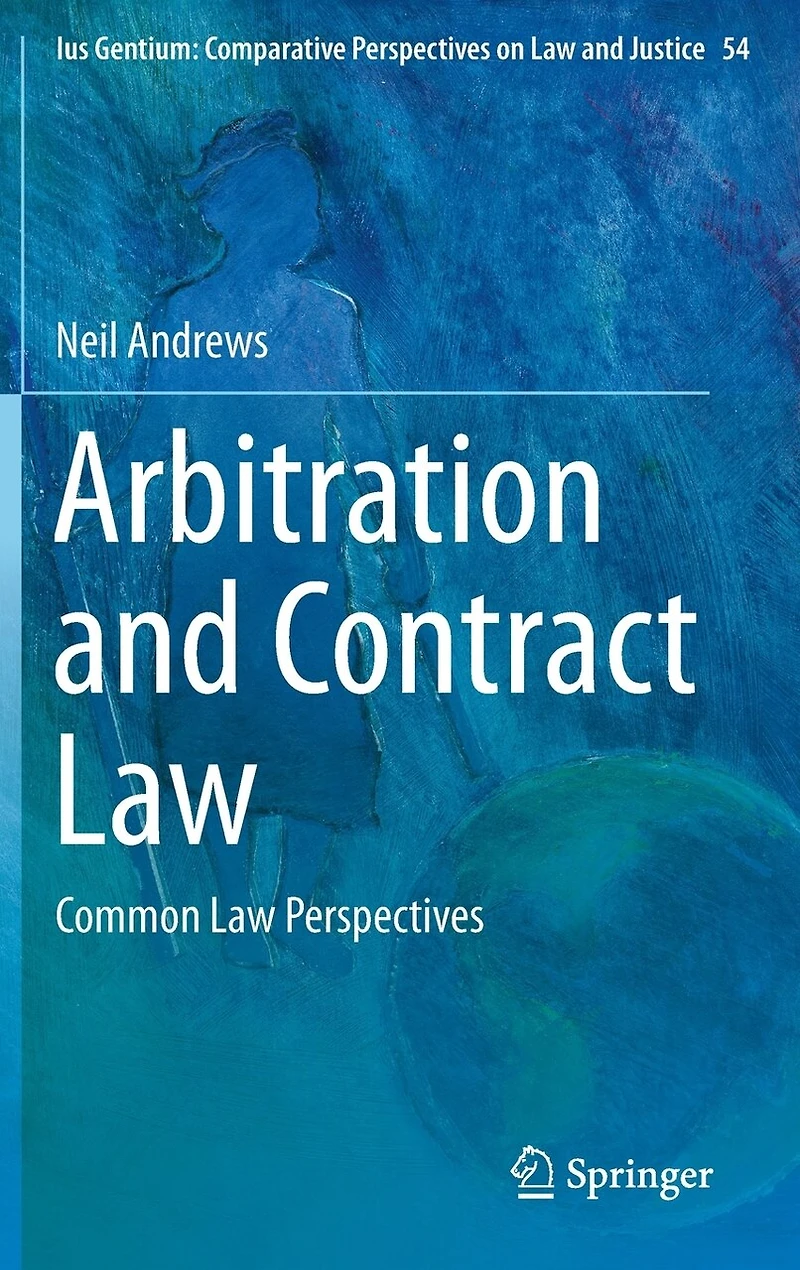
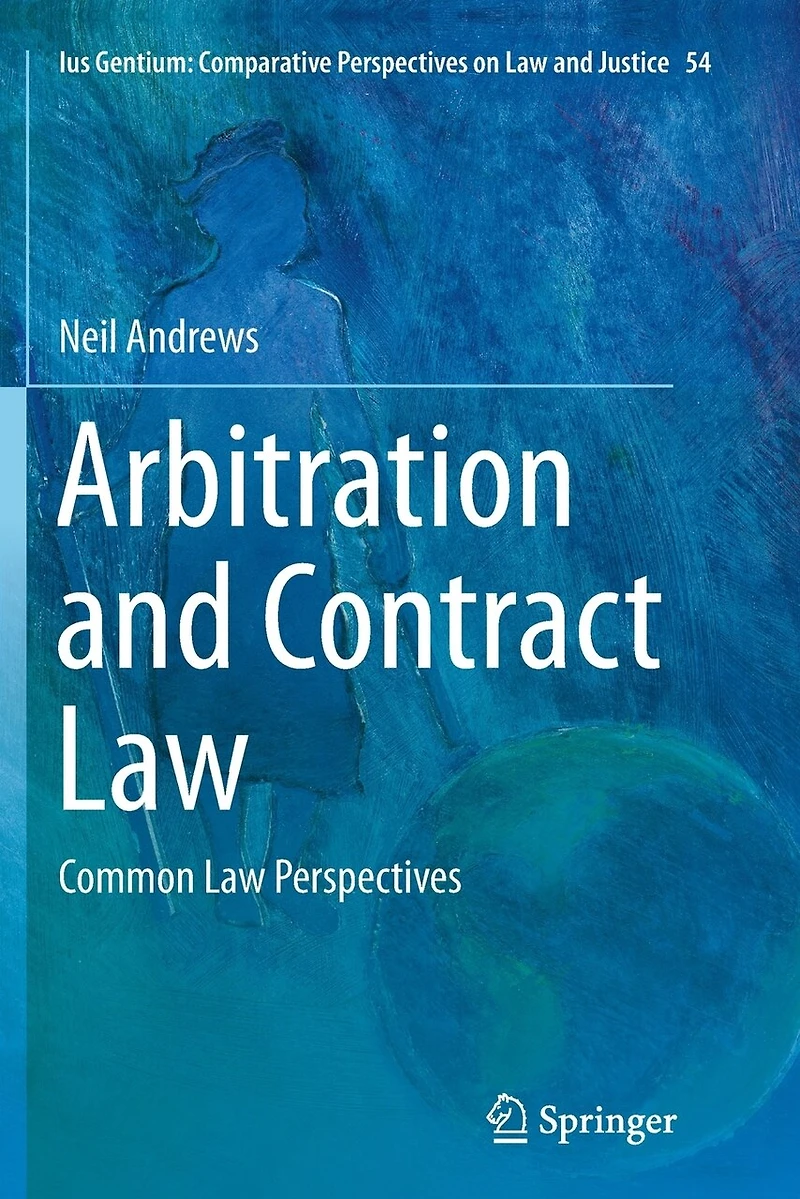
Arbitration And Contract Law: Common Law Perspectives in Ottawa, ON
Current price: $262.95

Arbitration And Contract Law: Common Law Perspectives in Ottawa, ON
Current price: $262.95
Loading Inventory...
Size: Hardcover
*Product information may vary - to confirm product availability, pricing, shipping and return information please contact Coles
This book deals with the contractual platform for arbitration and the application of contractual norms to the parties' dispute. Arbitration and agreement are inter-linked in three respects: (i) the agreement to arbitrate is itself a contract; (ii) there is scope (subject to clear consensual exclusion) in England for monitoring the arbitral tribunal's fidelity and accuracy in applying substantive English contract law; (iii) the subject-matter of the arbitration is nearly always a 'contractual' matter. These three elements underlie this work. They appear as Part I (arbitration is founded on agreement), Part II (monitoring accuracy), Part III (synopsis of the English contractual rules frequently encountered within arbitration).
The book will be a useful resource to foreign lawyers or English non-lawyers, English lawyers seeking a succinct discussion, and to arbitral tribunals.
This book deals with the contractual platform for arbitration and the application of contractual norms to the parties' dispute. Arbitration and agreement are inter-linked in three respects: (i) the agreement to arbitrate is itself a contract; (ii) there is scope (subject to clear consensual exclusion) in England for monitoring the arbitral tribunal's fidelity and accuracy in applying substantive English contract law; (iii) the subject-matter of the arbitration is nearly always a 'contractual' matter. These three elements underlie this work. They appear as Part I (arbitration is founded on agreement), Part II (monitoring accuracy), Part III (synopsis of the English contractual rules frequently encountered within arbitration).
The book will be a useful resource to foreign lawyers or English non-lawyers, English lawyers seeking a succinct discussion, and to arbitral tribunals.
You May Also Like









More About Coles at Bayshore Shopping Centre
Coles is renowned for its outstanding customer service and great selection of books. Along with the vast array of magazines, stationary, audio-books, children's literature, fiction, non-fiction and reference books, you can find accessories to make your reading experience more pleasurable. We can recommend the very best in reading today. We will help you search our titles for exactly what you need, and if we do not have it in stock, we will order it for you.
100 Bayshore Dr, Nepean, ON K2B 8C1, Canada
Find Coles at Bayshore Shopping Centre in Ottawa, ON
Visit Coles at Bayshore Shopping Centre in Ottawa, ON