

Give the Gift of Choice!
Too many options? Treat your friends and family to their favourite stores with a Bayshore Shopping Centre gift card, redeemable at participating retailers throughout the centre. Click below to purchase yours today!Purchase HereHome
Archetypal Imagination: Glimpses of the Gods Life and Art
Coles
Loading Inventory...
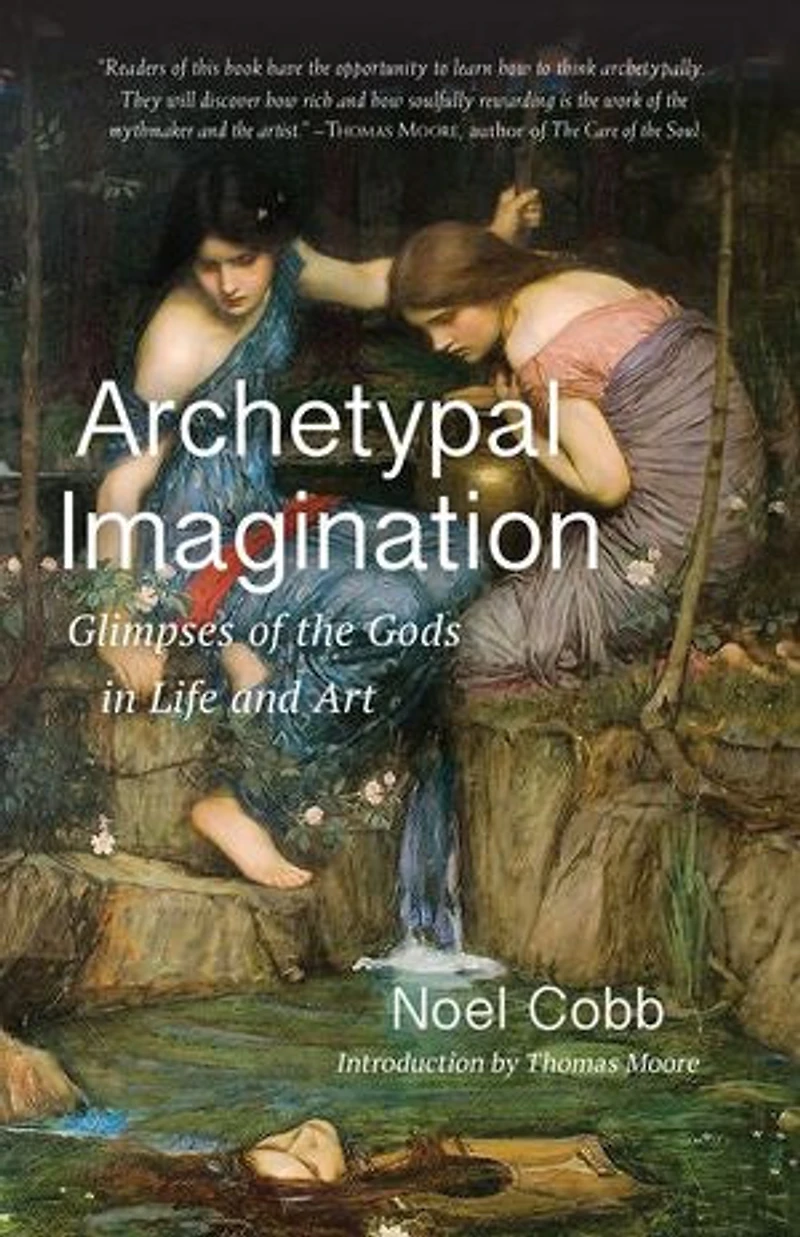
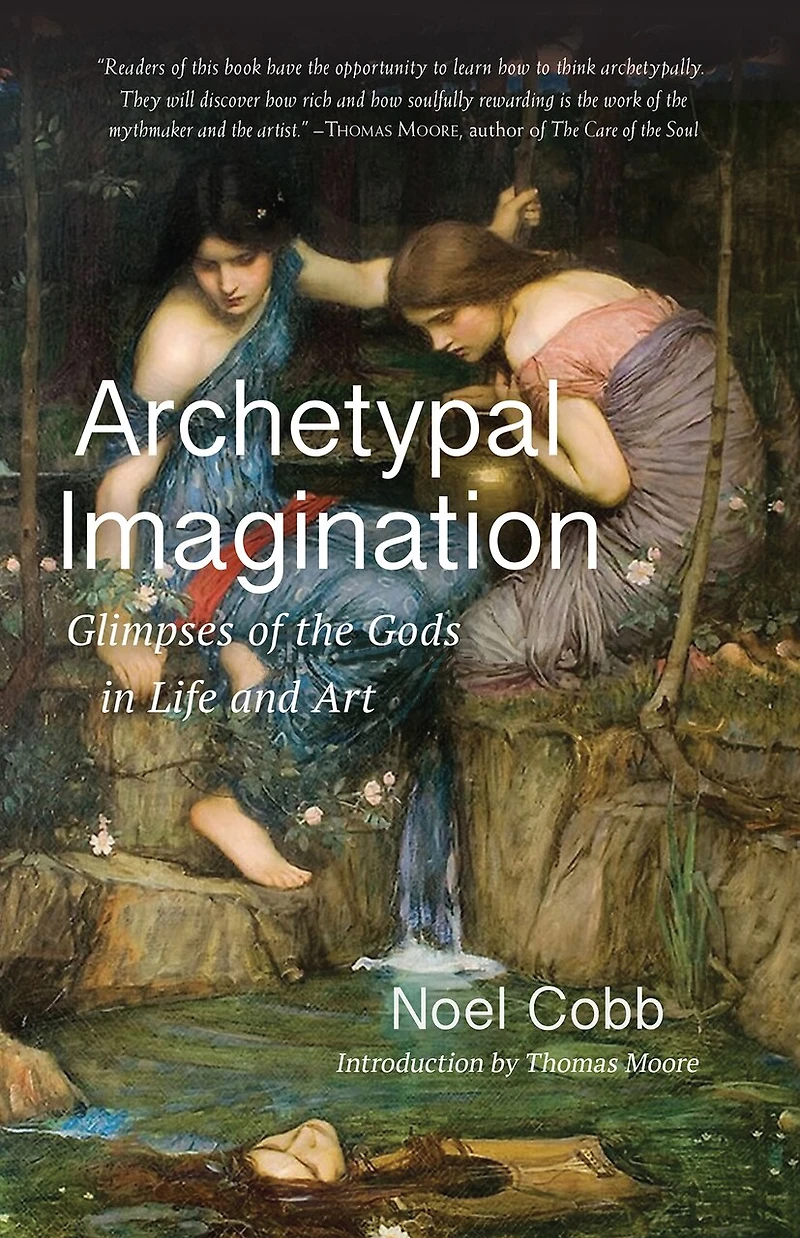
Archetypal Imagination: Glimpses of the Gods Life and Art in Ottawa, ON
By None
Current price: $10.84

By None
Archetypal Imagination: Glimpses of the Gods Life and Art in Ottawa, ON
Current price: $10.84
Loading Inventory...
Size: Kobo eBook
*Product information may vary - to confirm product availability, pricing, shipping and return information please contact Coles
This unique book is about freeing psychology's poetic imagination from the dead weight of unconscious assumptions about the soul. Whether we think of the soul scientifically or medically, behaviorally or in terms of inner development, all of us are used to thinking of it in an individual context, as something personal. In this book, however, we are asked to consider psychology from a truly transpersonal perspective as a cultural, universal-human phenomenon. Cobb teaches us to look at the world as a record of the soul's struggles to awaken and as the soul's poetry. From this perspective, the real basis of the mind is poetic. Beauty, love, and creativity are as much instincts of the soul as sexuality or hunger. Cobb shows us how artists and mystics can teach us the meaning of love, death, and beauty, if only we can awaken to their creations. The exemplars here are Dante, Rumi, Rilke, Munch, Lorca, Schumann, and Tarkovsky.
This unique book is about freeing psychology's poetic imagination from the dead weight of unconscious assumptions about the soul. Whether we think of the soul scientifically or medically, behaviorally or in terms of inner development, all of us are used to thinking of it in an individual context, as something personal. In this book, however, we are asked to consider psychology from a truly transpersonal perspective as a cultural, universal-human phenomenon. Cobb teaches us to look at the world as a record of the soul's struggles to awaken and as the soul's poetry. From this perspective, the real basis of the mind is poetic. Beauty, love, and creativity are as much instincts of the soul as sexuality or hunger. Cobb shows us how artists and mystics can teach us the meaning of love, death, and beauty, if only we can awaken to their creations. The exemplars here are Dante, Rumi, Rilke, Munch, Lorca, Schumann, and Tarkovsky.
You May Also Like













More About Coles at Bayshore Shopping Centre
Coles is renowned for its outstanding customer service and great selection of books. Along with the vast array of magazines, stationary, audio-books, children's literature, fiction, non-fiction and reference books, you can find accessories to make your reading experience more pleasurable. We can recommend the very best in reading today. We will help you search our titles for exactly what you need, and if we do not have it in stock, we will order it for you.
100 Bayshore Dr, Nepean, ON K2B 8C1, Canada
Find Coles at Bayshore Shopping Centre in Ottawa, ON
Visit Coles at Bayshore Shopping Centre in Ottawa, ON